Space science
Capturing gravitational waves from unknown objects
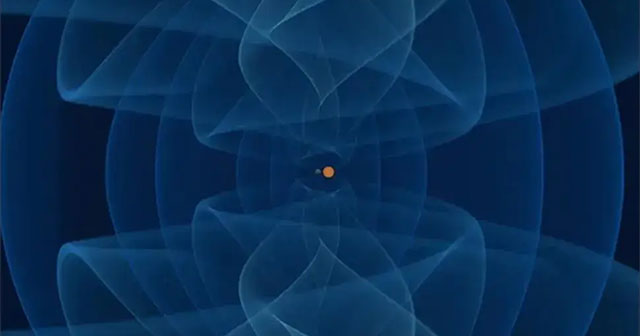
Intense space-time ripples from the collision between a neutron star and a mysterious object have puzzled scientists.
Browse ScienceInfo articles and explainers related to Stellar.
67 published items.
Intense space-time ripples from the collision between a neutron star and a mysterious object have puzzled scientists.
A speck of dust from an ancient meteorite that fell on Antarctica is described as
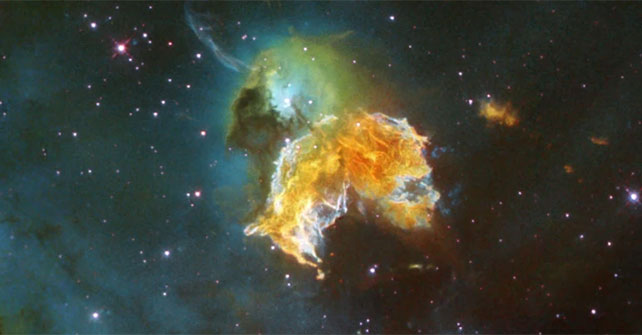
A multinational team of astronomers led by WIS has captured an extremely rare supernova, thereby drawing
Scientists successfully simulated the process of tooth formation of a star star and applied it to create a durable, biodegradable, carbon-fibre material.
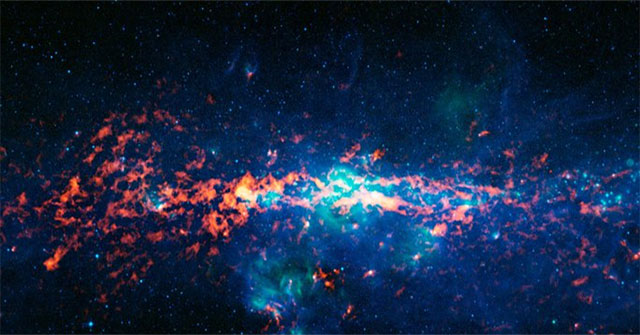
US scientists have identified the largest alcohol molecules in the universe, which could be crucial in stellar nurseries.
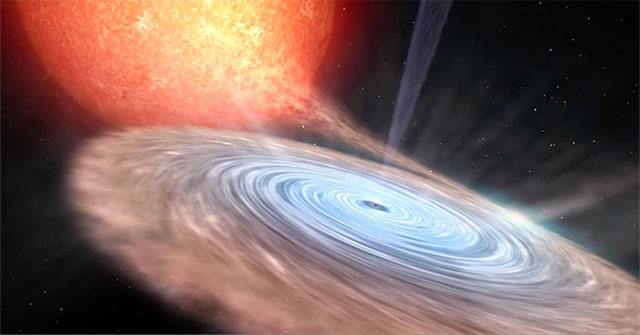
Just like how bats emit sound waves and see objects through reflected waves, NASA's NICER telescope accidentally discovered 8 invisible monsters right in the Milky Way.

A group of German astronomers recently discovered a group of stars of the strange stellar type, covered with ash from helium combustion.
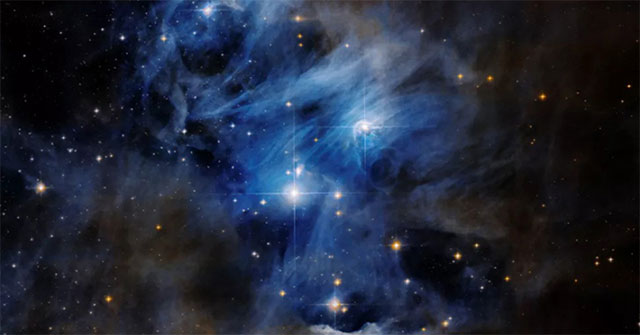
The Hubble Space Telescope provides a stunning updated image of the Chamaeleon Cloud 1 in the Southern Hemisphere sky.
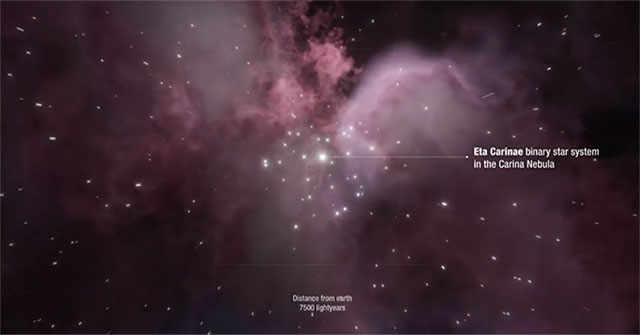
The researchers found that two blue giant stars emit a stellar wind that helps subatomic particles accelerate and generate intense gamma-ray radiation.
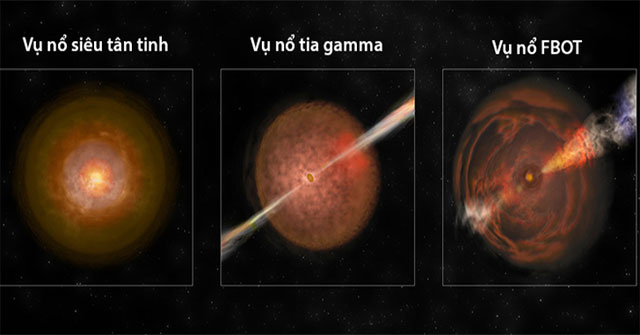
Astronomers on Thursday said they have discovered a new type of stellar explosion, different from the gamma-ray and supernova explosion.
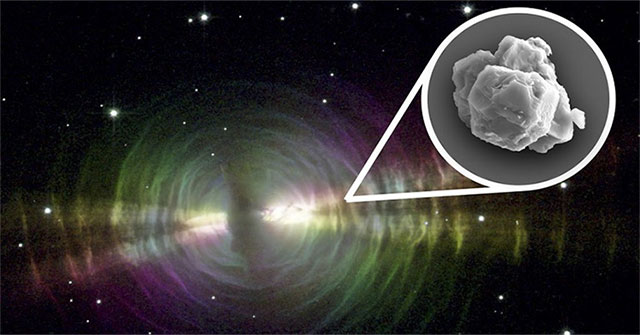
Scientists identified the giant rock meteorite that fell to Earth half a century ago containing dust and is believed to be the oldest solid material.
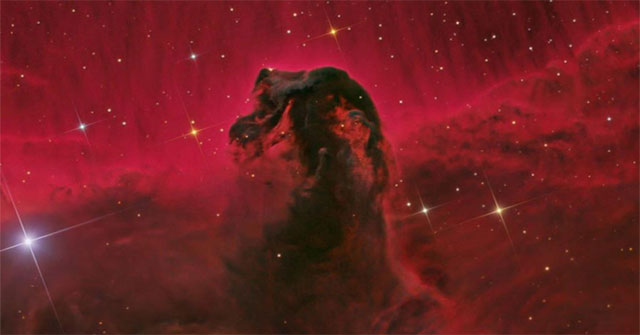
The image was compiled based on data from many satellites showing the special shape of the Horsehead Nebula 1,500 light-years from Earth.
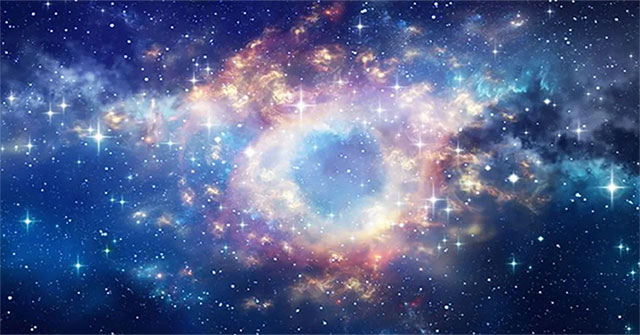
New snow research scientists in Antarctica have discovered a rare iron isotope in interstellar dust hidden inside it.
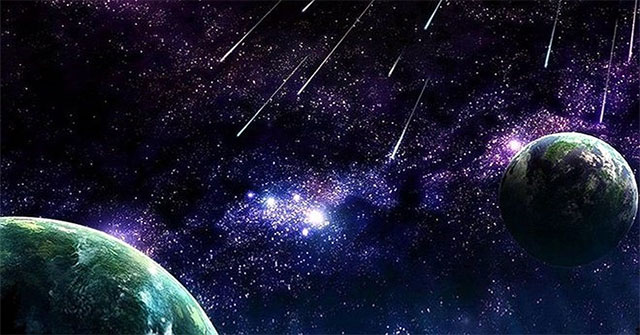
Derived from comet remnant Swift-Tutle, meteor shower Perseids takes place from July 17 to August 24 every year, reaching a maximum on the night of 12th and 12th August.
Super-large black holes can be formed from giant gas clouds bound by gravity without any explosions.