Medicine - Health
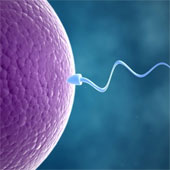
Can turn human skin into sperm and eggs
British scientists use skin cells to create sperm and eggs, an achievement that could lead to a revolution in infertility treatment.
Browse ScienceInfo articles and explainers related to Stem Cells.
254 published items.
British scientists use skin cells to create sperm and eggs, an achievement that could lead to a revolution in infertility treatment.
Scientists on December 11 said they had discovered a new stem cell could
A group of Japanese scientists on September 12 successfully implanted retinal cells developed from pluripotent stem cells (iPS) for a woman of about 70 years of age.
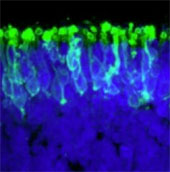
The human eye is often likened to a camera and although it has a fairly basic design, the detailed structure of the eye is more complex than most advanced electronic dev…

One of the biggest challenges for medical researchers, the study of the effectiveness of stem cell therapies is the transplant or the grafting of cells that are often el…
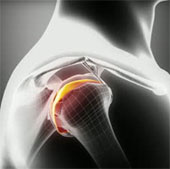
For the first time, scientists have successfully cultured human cartilage in the laboratory thanks to stem cells taken from adipose tissue.
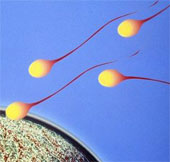
US scientists can create early-stage sperm from skin cells, opening a new hope for treating male infertility.
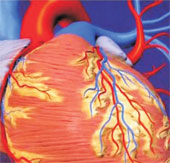
According to a reporter in Sydney, Australian and US cardiologists have just published in Nature that they have discovered a way to restore heart muscle that is paralyze…
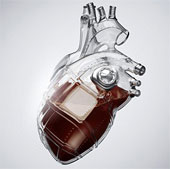
Artificial blood may replace donor blood in transfusions - researchers at the University of Edinburgh.
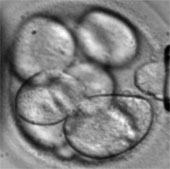
British and American scientists have successfully created a piece of epidermis - the outermost layer of skin, from stem cells in the laboratory.

Obokata said Riken has admitted that the person who successfully created STAP cells but she did not give the name of the person during the press conference on 9 April.
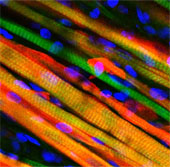
Scientists have for the first time built a type of biotech muscle that can automatically heal wounds on animals.

Doctors at Great Ormond Street Hospital in London are aiming to reconstruct the faces of patients who need treatment with their own stem cells derived from fat.

The Kyoto University Laboratory, which is conducting experiments on pluripotent stem cells (iPS), has been warned by the Japanese Ministry of Science about the blame for…

Scientists hope this can open a new era with organ transplantation and cancer treatment.