
Archeology
Human population increased sharply at the end of the Stone Age
Genetic evidence shows that human populations began to increase in Africa at the end of the Stone Age, about 40,000 years ago.
Browse ScienceInfo articles and explainers related to Stone Age.
55 published items.
Genetic evidence shows that human populations began to increase in Africa at the end of the Stone Age, about 40,000 years ago.
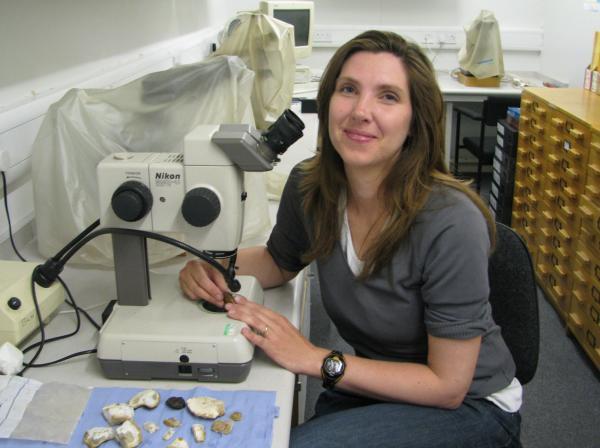
A prehistoric complex comprised of 6000-year-old tombs, one of the earliest buildings built in the United Kingdom, was discovered by Kingston University archaeologists.
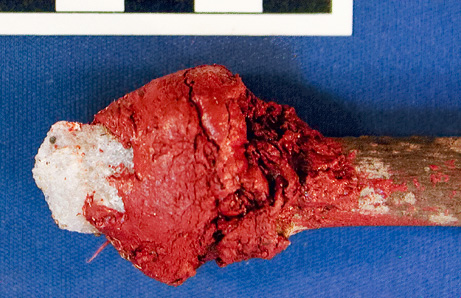
Stone age humans are master chemists. A recent study said that they can synthesize an extremely complex natural glue.

This is Venusmania in Vienna, where the Austrian celebrated the discovery 100 years ago - a figurative figurines dating back 25,000 years ago, when mammoths dominated th…
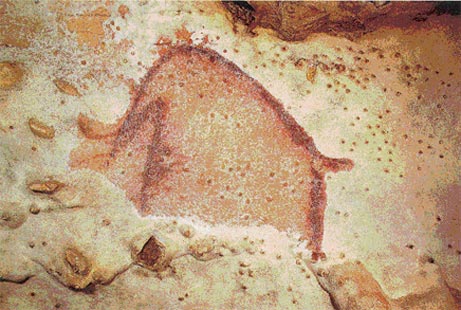
According to a new analysis of the Paleolithic caves in France, prehistoric people choose places with natural echoes to paint their famous cave sketches.

The Dutchman, Jan Meulmeester, discovered 28 axes, possibly up to 100,000 years old, in an undersea gravel sand dug up by a cherry material supplier. He also found sampl…
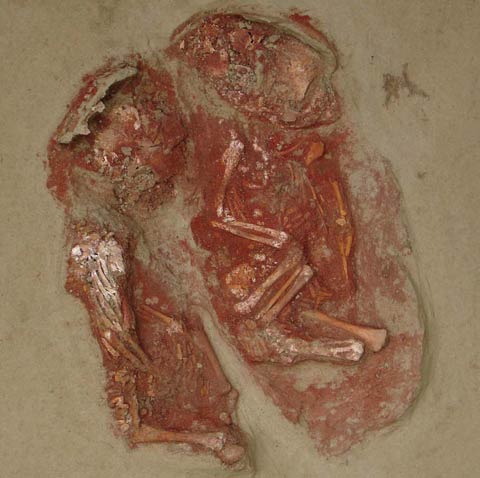
The discovery of two ancient tombs dating to 27,000 years containing the bodies of newborn babies confirms that young children also occupy an important place in the soci…

Stone Age (Stone Age) is a long prehistoric period about 3 million years ago, in which people used stone to make things.
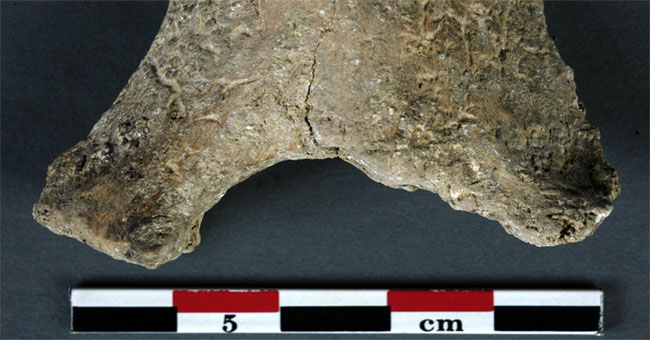
Our ancestors did not have many opportunities to introduce themselves. Almost everything we know about them is through the remains of the graves.

For decades, the battle for human survival has been silently happening. And today, a bacterium has developed its ability to resist Colistin.