Environment
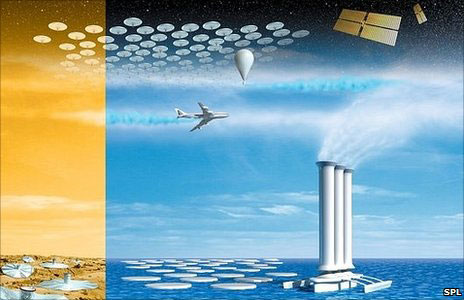
Solution to prevent sea level rise
Recent research shows that about 150 million people may be affected if the sea level rises by up to 70cm by the end of the century. Sea level rise will inundate coastal…
Browse ScienceInfo articles and explainers related to Stratosphere.
44 published items.
Recent research shows that about 150 million people may be affected if the sea level rises by up to 70cm by the end of the century. Sea level rise will inundate coastal…

During the Asian monsoon period pollutants are most strongly dispersed into the upper atmosphere, making them more lasting in the air and spreading globally.

Scientists seem to have missed the impact of stratospheric steam on global temperatures.

Air pollution from developing economies in Asia soars up the stratosphere during the rainy season and spreads around the world.
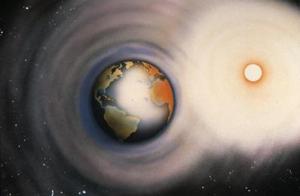
Very fragile connections between the 11-year solar cycle, the tropical stratosphere and the Pacific active in a coordinated manner to create a global climate cycle that…

US President Barack Obama is considering a plan to deal with global warming, by shooting microscopic particles into the stratosphere.

Smoke escaping in rocket launchers can erode the ozone layer, enabling harmful ultraviolet rays from the sun to penetrate the earth.
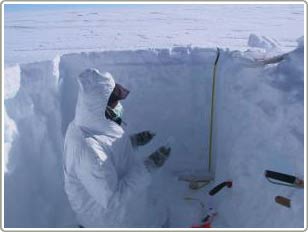
An American and French research team has developed a method that is able to determine the impact of volcanic eruptions in the past on the climate and chemistry of the hi…
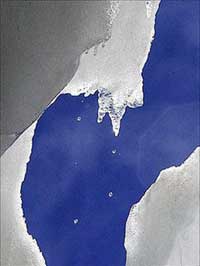
In Science magazine on March 31, Dr. John Turner of the British Antarctic Research Institute said that the air temperature in Antarctica has increased three times faster…
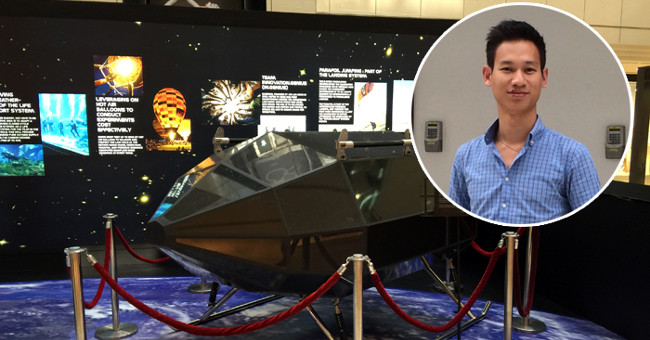
At 4 am, May 16, from Alice Spring town (Australia)
In addition to producing flying instruments carrying research equipment, Pham Gia Vinh also wishes to bring people into the stratosphere to travel and serve science.
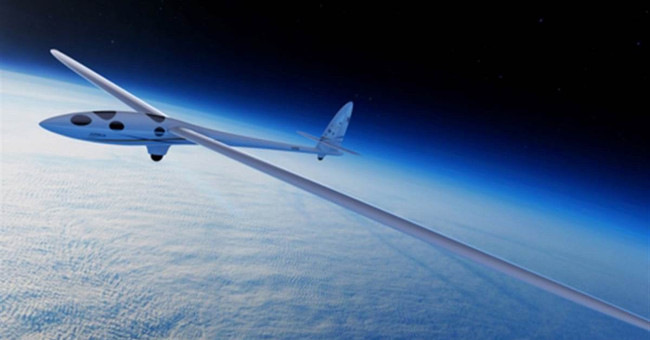
If successful, this special aircraft will conquer every record of previous altitude.
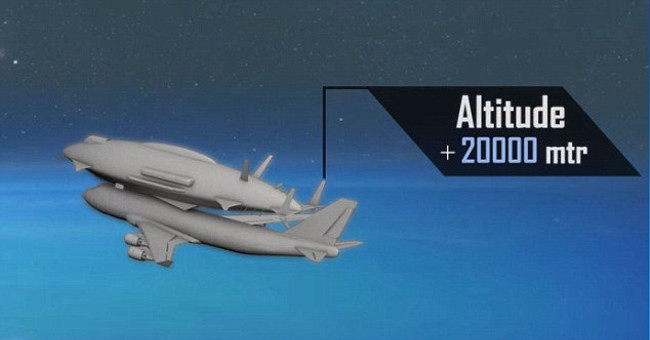
Not only does it fly continuously on the surface of the earth for months, the stratospheric aircraft can also play the role of artificial satellites.

Many scientists were shocked when the first time a balloon could fly into space, reaching a record high of 28.8km, more than the previous record to 6.4km.