Discover science
Atomic clocks are off by just one second every nearly 40 billion years
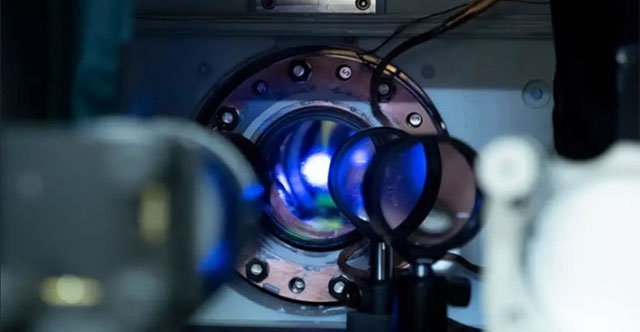
The new atomic lattice clock broke the record for accuracy by missing just one second after 39.15 billion years.
Browse ScienceInfo articles and explainers related to Strontium.
14 published items.
The new atomic lattice clock broke the record for accuracy by missing just one second after 39.15 billion years.
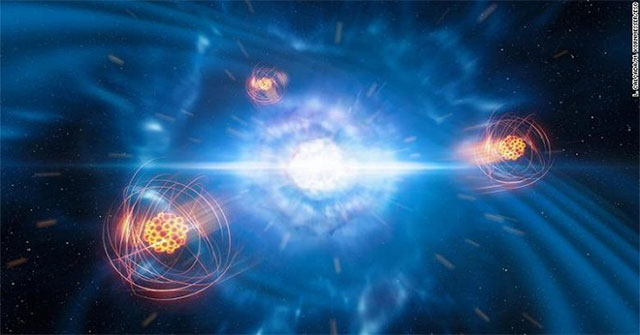
Astronomers have discovered the collision of two neutron stars in 2017 creating a heavy element of strontium alongside gold, lead and platinum.
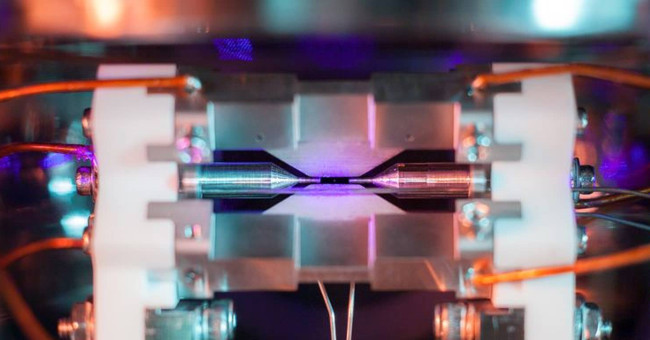
Things are not as bad as we think, people can still create miracles - especially when we work seriously.

According to the Los Angeles Times, scientists took a big step last week in using the time to measure sea level and above.

Billions of people around the world are likely to die even when the smallest nuclear war breaks out, scientists warn.
After 50 years, the definition of a second has changed because scientists have produced the most accurate clock in history.

The mystery of why ancient South Americans, who created the scene of Nazca Lines (Nazca Lines), also gathered skulls like trophies that had long ago caused scholars a he…

US researchers created a gamma-ray spectrometer device that can search for rare metal deposits such as gold and platinum on meteorites.
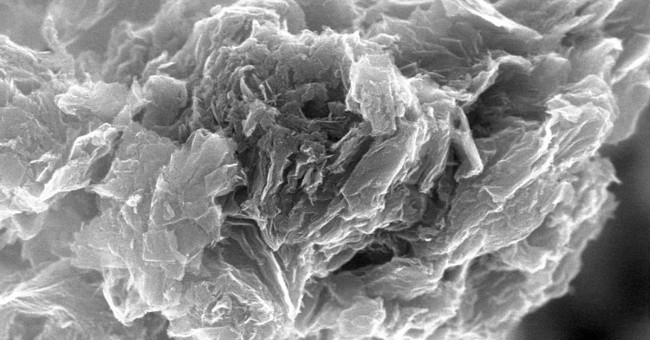
A group of scientists has just announced a promising new method that can clear radioactive remnants in Fukushima after the 2011 nuclear disaster.

Tokyo Electric Power Company (TEPCO) said it has detected about 10 liters of water containing Strontium radioactivity that has been leaked from the water treatment facil…

Waste water containing radioactive materials from Japan's Fukushima I nuclear power plants leaked to the Pacific Ocean.
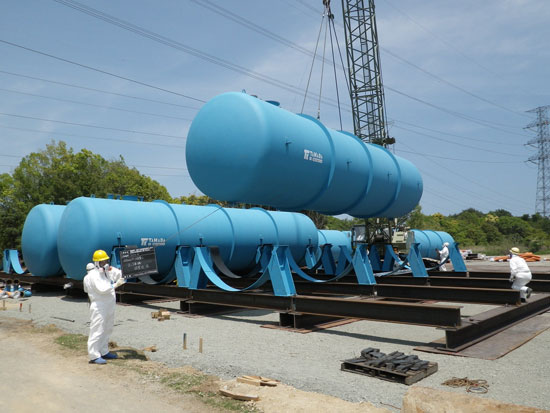
New materials in the form of silicon dioxide compounds (SiO2) can absorb radioactive iodine and strontium by changing the compound type.

In the evening of April 14, the Institute of Nuclear Science and Technology (Vietnam Atomic Energy Institute) announced that the level of radioactivity measured in Hanoi…

The world's most accurate atomic clock will only deviate a second for 15 billion years.