Conquer Mars
This is how humans can build life from nothing on Mars
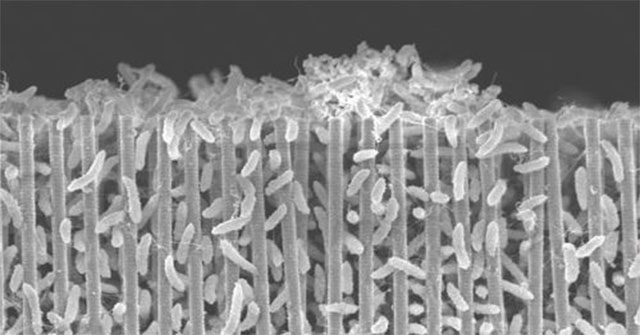
Scientists from the University of California have built a nano power plant that uses sunlight to turn carbon dioxide and water into new organic molecules.
Browse ScienceInfo articles and explainers related to Sunlight.
248 published items.
Scientists from the University of California have built a nano power plant that uses sunlight to turn carbon dioxide and water into new organic molecules.

To solve the plastic waste that pollutes the marine environment, US scientists have developed a new form of polymer that is highly durable in seawater but can decompose…
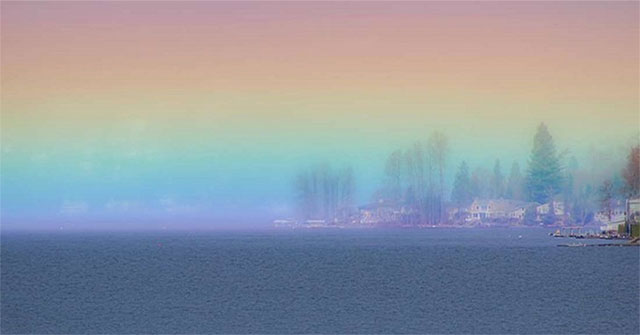
The colorful rainbow band covering the lake is an optical phenomenon formed by ice crystals that refract sunlight.
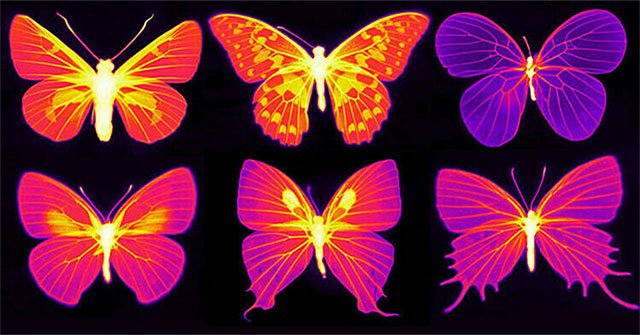
Although very thin, the butterfly wings have many veins and scent patches that help release the coolant, they perceive heat better and stay away from heat.

During the 40 days from 12/12 to 11/1, the sun did not rise in this city. So what will the lives of the people and tourists here be like?

Exposure to sunlight, radiation, toxic chemicals, cosmetic abuse ... increases the risk of skin cancer.
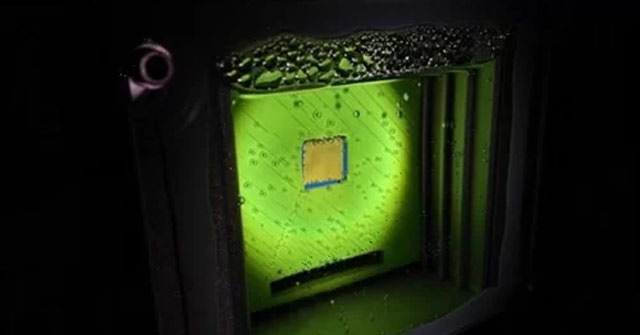
Experts at Cambridge University invented the device to create syngas, a gas usually produced from fossil fuels.
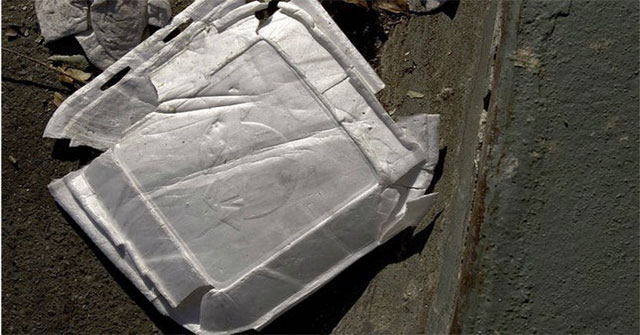
A surprising discovery about the type of waste is causing environmental pollution today.
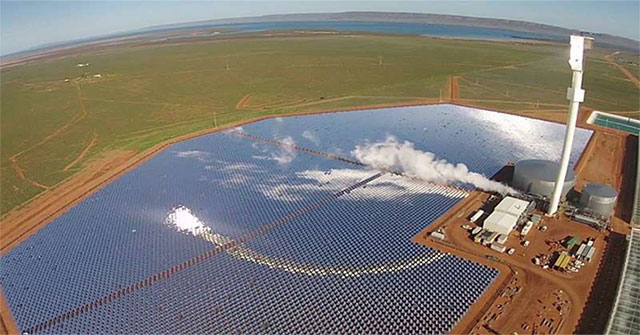
Using sunlight itself to operate the system that turns seawater into fresh water, this particular farm located in the middle of this arid desert is able to produce up to…
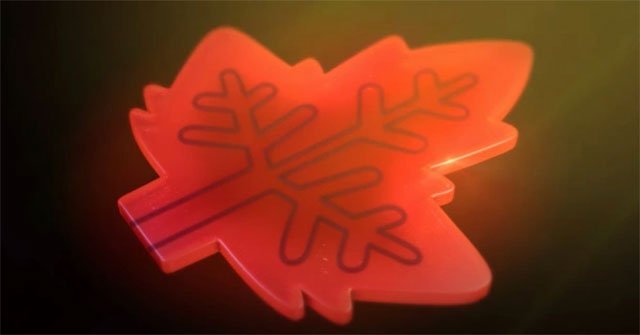
The sun is a huge and almost infinite source of energy that we have just started to exploit, while the trees have been the experts to exploit this free energy since they…

According to a dermatologist, many people who have come to the hospital when a black spot appears on their skin have discovered a more serious condition than they though…

Owner SpaceX wants to use giant mirrors to reflect sunlight and 'heat up' Mars.

We know that hot air is lighter and floats up, so why is it so cold on the top of the mountain?
You may have to undergo photosynthesis thanks to chlorophyll in your mutant cells. But unlike plants, you will need more sunlight.
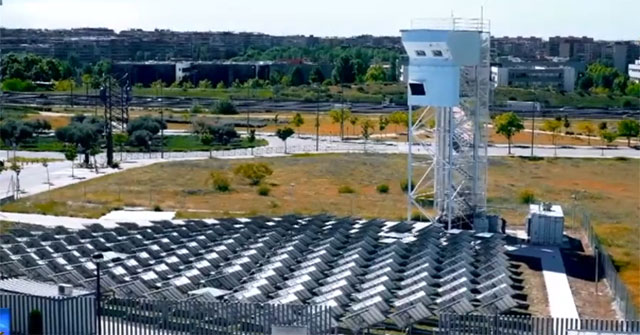
CO2 and water extracted from the surrounding air will be pumped into the solar reactor, while using heat from the Sun to separate molecules into hydrogen and carbon mono…