Space science
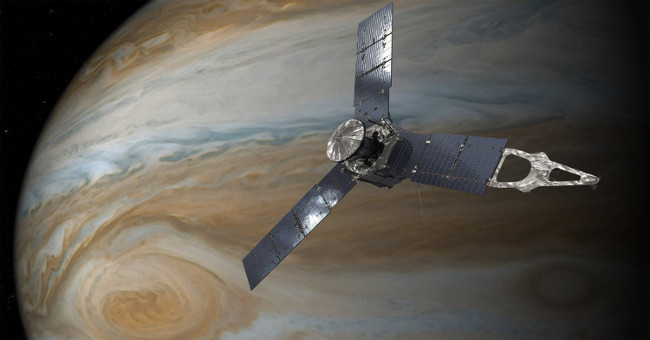
NASA ship is about to approach super typhoon 16,000km wide on Jupiter
NASA's billion-dollar spacecraft will be approaching the big red dot, super typhoon sweeping through 350 years on Jupiter.
Browse ScienceInfo articles and explainers related to Super.
1,981 published items.
NASA's billion-dollar spacecraft will be approaching the big red dot, super typhoon sweeping through 350 years on Jupiter.
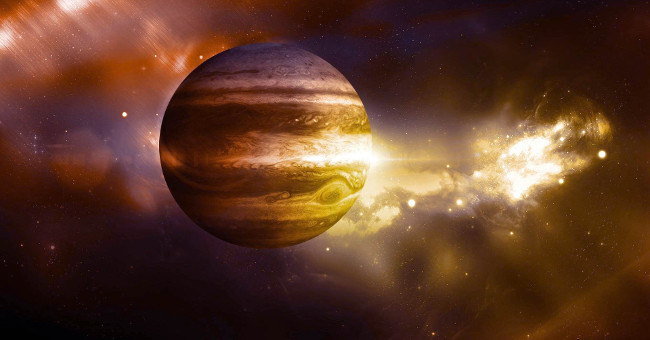
Research by German scientists shows that Jupiter is not only the largest planet but also the oldest solar system.

Astronomers call for increased observation of Tabby, a star suspected of exploiting aliens, continuing an unusual cycle of dimming.
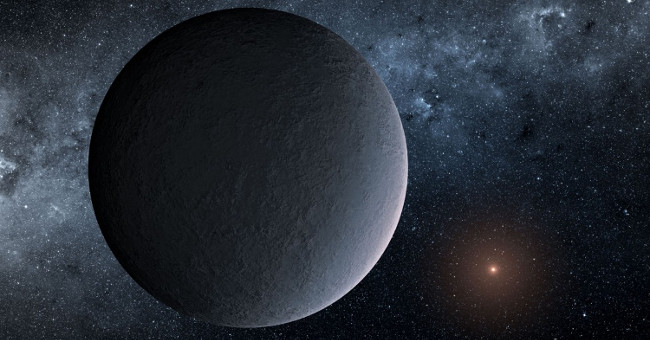
NASA astronomers discovered an ultra-cold planet with a mass similar to Earth and orbiting its star at the same distance as the Earth orbiting the Sun.

NASA's Cassini spacecraft sends a special series of images when venturing through the gap between Saturn and the rings, where no spacecraft has ever been.
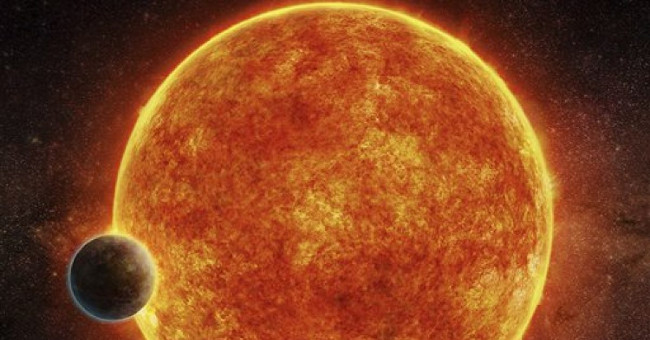
LHS 1140b giant rock planet concentrates many suitable conditions for life, only 39 light-years from Earth.
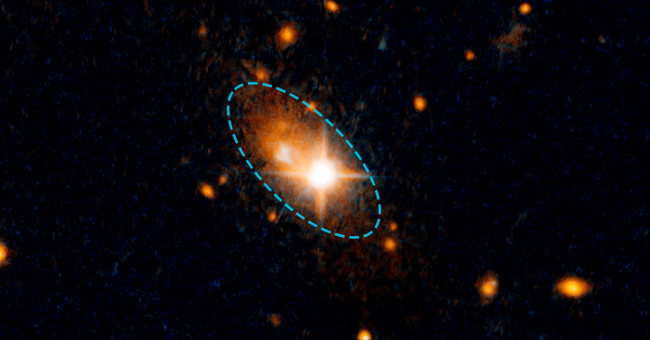
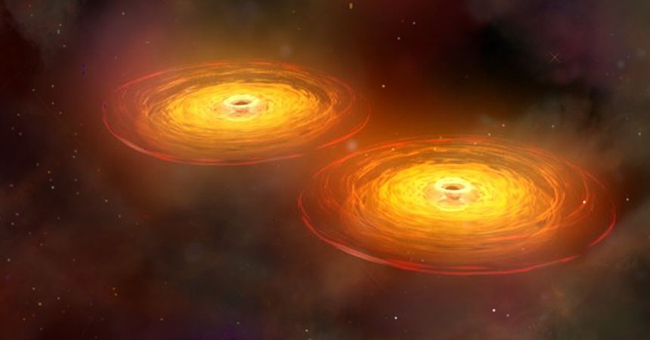
The Hubble Space Telescope has discovered a giant black hole believed to be the largest ever outside the galactic core with a mass of more than 1 billion times the Sun.
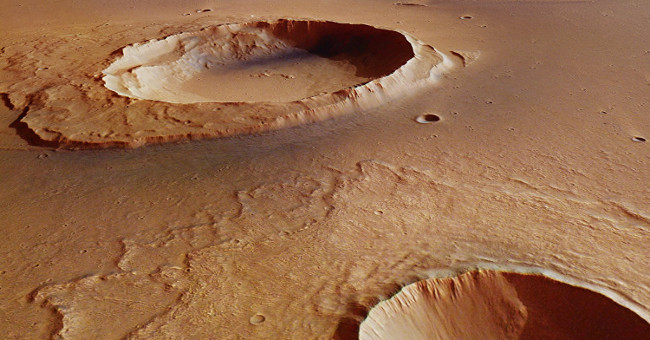
Scientists discovered traces of a massive flood on Mars with a trench system stretching about 3,000 km.

Hundreds of Americans witnessed a shooting star across the sky, forming a green fireball blazing with brilliance, releasing energy equivalent to 10 tons of TNT explosive…
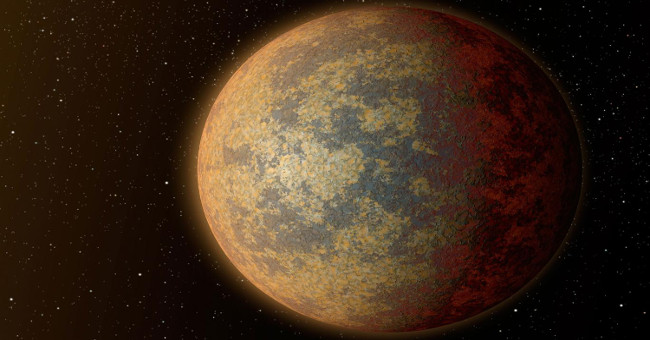
From this finding, scientists predict that all stars near Earth's Sun have natural satellites. Therefore, there exists the possibility of having Earth-like planets with…
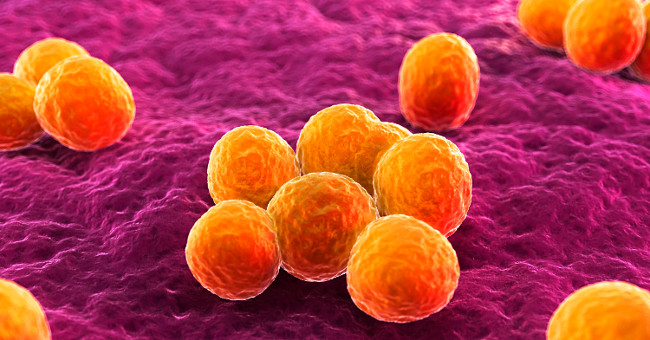
SpaceX is preparing to launch an important project. They are about to launch a deadly super bacterium, capable of resisting antibiotics into orbit on February 18.
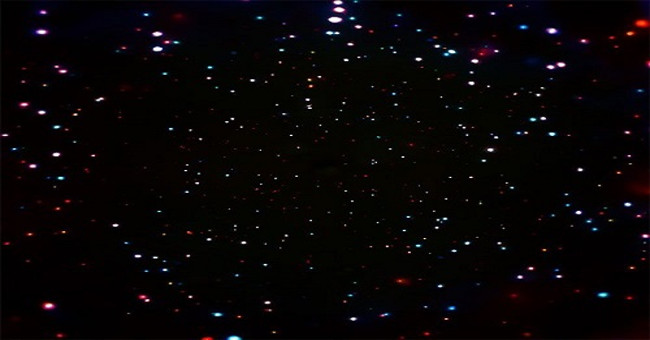
NASA's Chandra Observatory captures images with 5,000 giant black superholes, which have the largest density of black holes ever recorded.
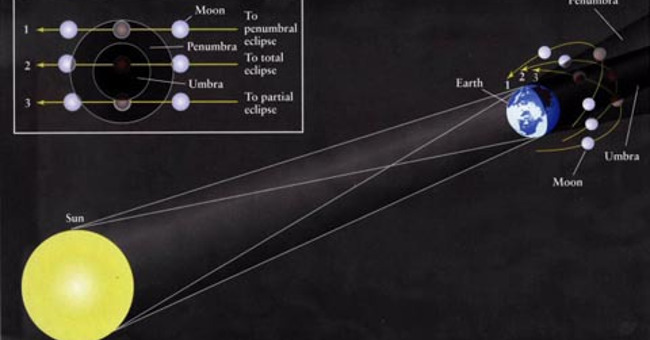
Meteor shower or eclipse are astronomical events in 2017 that Vietnamese people can observe.
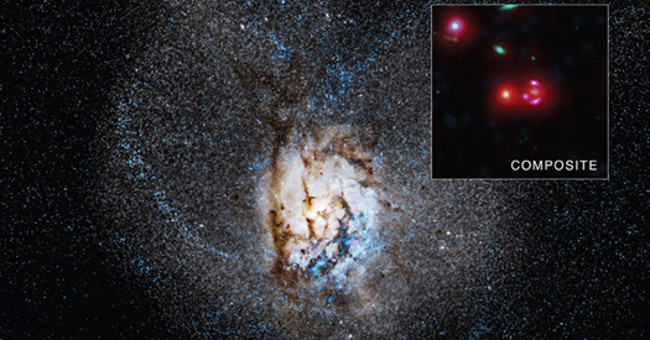
Galaxy SPT0346-52, located 12.7 billion light-years from Earth, produces new stars each year with a total volume of 4,500 times the Milky Way.