Space science
Deadly giant stars swallow their companions
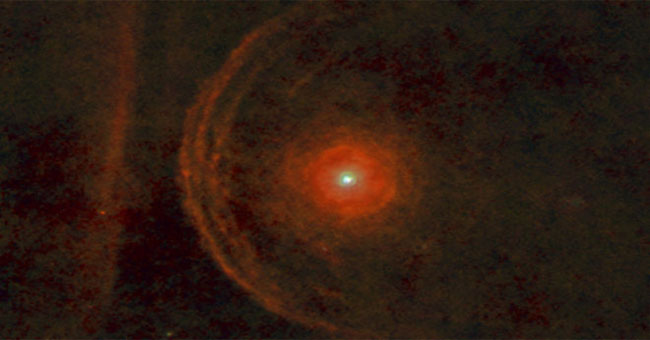
The star Betelgeuse 10 million years old with a diameter of more than 1.3 billion kilometers may have swallowed a companion mass with the mass of the Sun.
Browse ScienceInfo articles and explainers related to Supernova Explosion.
32 published items.
The star Betelgeuse 10 million years old with a diameter of more than 1.3 billion kilometers may have swallowed a companion mass with the mass of the Sun.
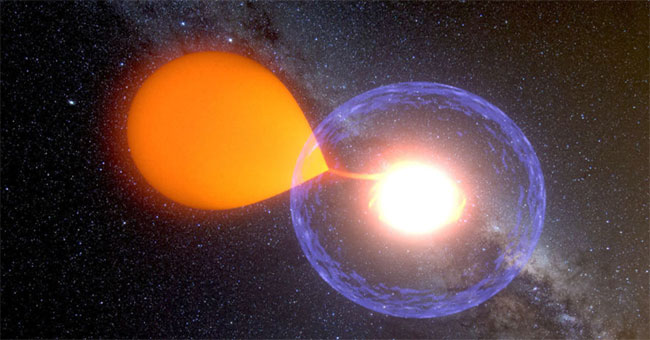
Scientists have recorded the moment when a supernova exploded, a rare event in the cycle that lasts from thousands to millions of years of a star.

Although the stellar explosion lasted only 20 minutes and took place 1.2 billion light-years ago, the US Aerospace Agency (NASA) successfully recorded the bright light e…
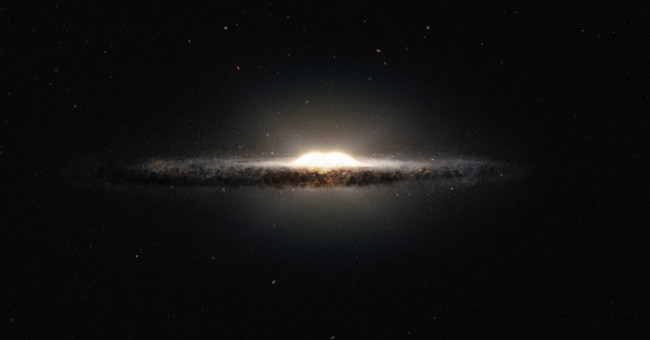
The lifespan of a galaxy is thought to depend on the amount of gas it possesses to form a new star.
A series of supernova explosions, though not strong enough to kill life on earth, have wrapped the solar system in a hot air bubble and exist today.
The earthquake and earthquake explosions in the universe may not always completely destroy the stars, but instead many cases will leave ruins called stars.
Scientists have used laser beams 60,000 billion times more powerful than laser pens to create a supernova explosion in a laboratory.
The specimen taken from the Pacific shelf may hold evidence of a distant supernova explosion, which rained high-energy particles on Earth several million years ago.
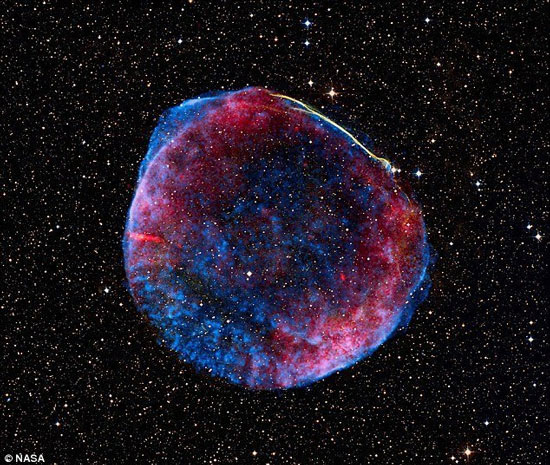
In 1006, the whole world stalled and stared at the sky when a giant star 7,000 light-years away from Earth,
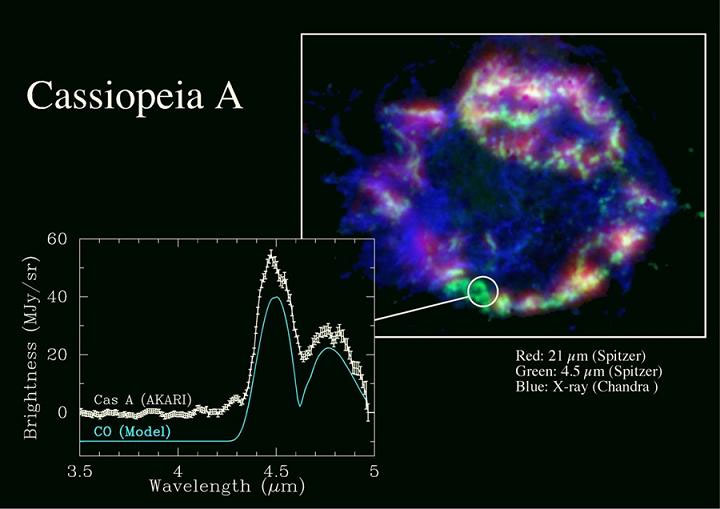
The group of scientists using the Japanese AKARI Infrared Observatory of Japan found the carbon monoxide (CO) molecule in the hot air 10 million degrees Celsius emitted…
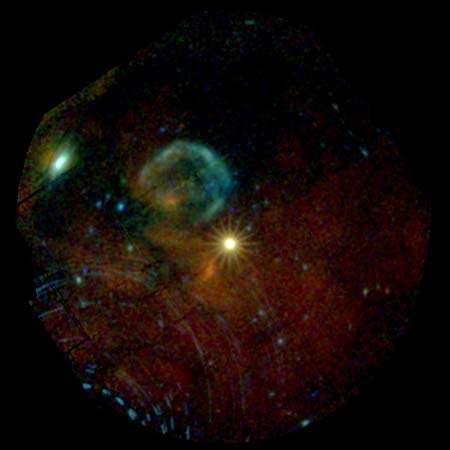
Twenty years after the first observation of supernova explosion SN 1987A, this is a near supernova explosion
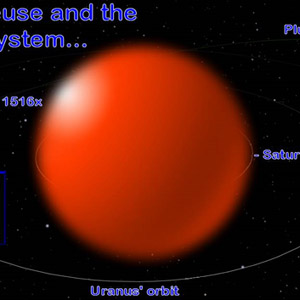
The second largest star in the constellation Orion - Betelgeuse will likely turn into a second sun before 2012, making many people think of the prophecy of
A sudden new star exploded in the universe, the brightness skyrocketed billions of times and then descended in a few weeks or months.
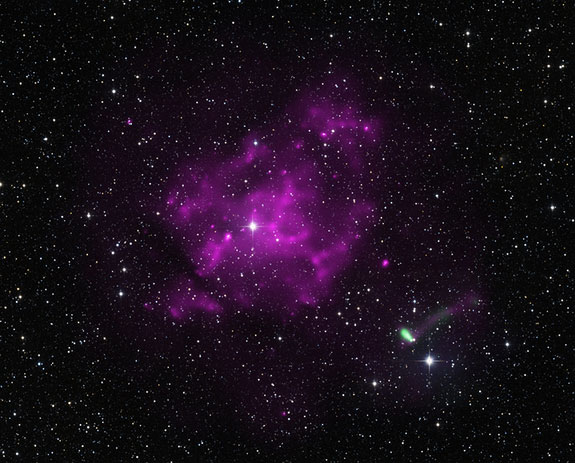
The most beautiful Perseids meteor shower of the year, the strange Phoenix galaxy cluster, the remains of hundreds of ancient warriors ... are the outstanding scientific…
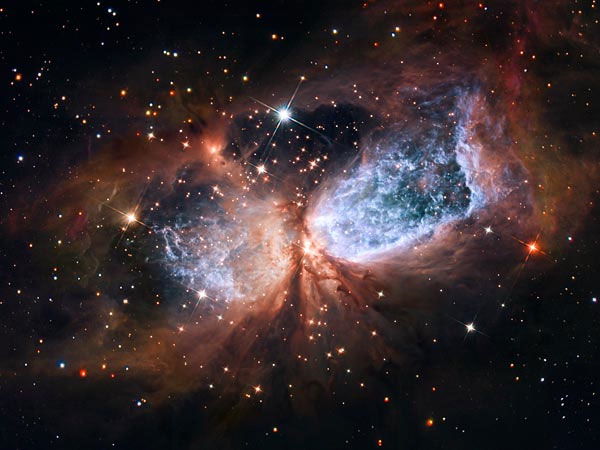
The remnants of a supernova explosion look like a brilliant rose, butterfly wings in the universe, close-up of the big crater Shorty on the Moon, ... are the most beauti…