Space science
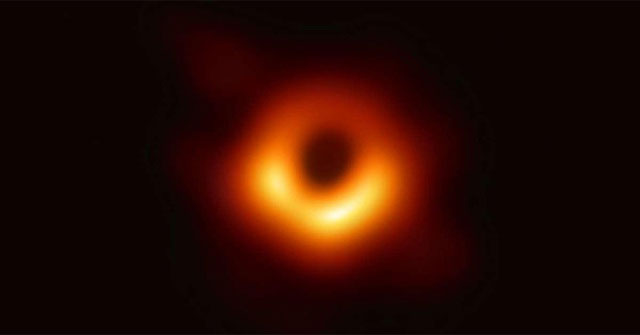
Find out how to take pictures of a much sharper black hole
Harvard scientists are the ones who have just claimed to find a way to take sharper pictures of black holes than old fuzzy images available so far.
Browse ScienceInfo articles and explainers related to Telescope.
1,099 published items.
Harvard scientists are the ones who have just claimed to find a way to take sharper pictures of black holes than old fuzzy images available so far.
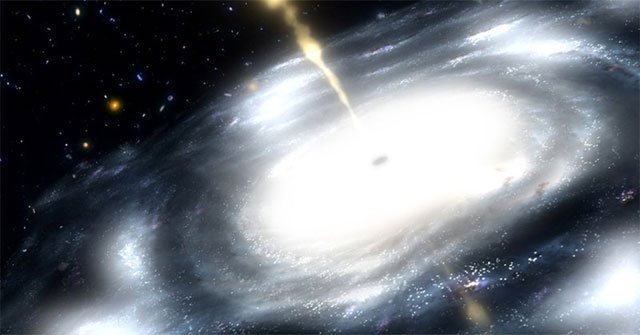
Thanks to the phenomenon of gravitational lensing, astronomers have observed the activity of a black hole in the center of the galaxy 11 billion light-years away.
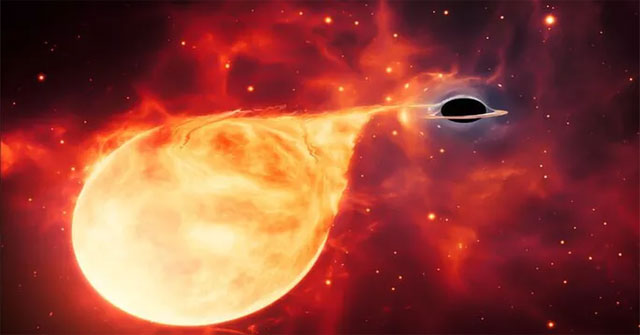
The aggressive monster black hole discovered by NASA's Hubble Space Telescope may be the missing link in the evolution of the universe.

Scientists on Tuesday said they have completed manufacturing and commissioning of the China Large Solar Telescope (CLST) in Sichuan.
Photo taken from the world's largest optical telescope reveals the remains of a dead star in SDSS J115219.99 + 024814.4.
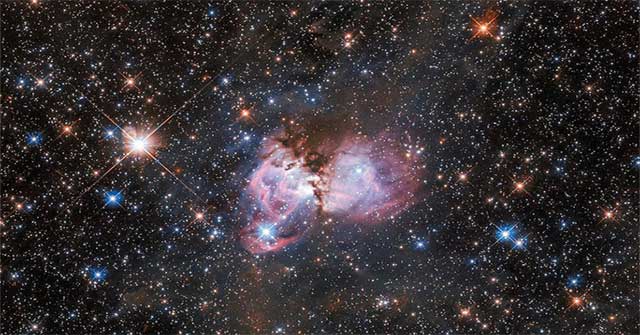
NASA's Hubble Space Telescope has captured a bright pink cloud of gas and dust, where a series of stars much larger than the sun are born.
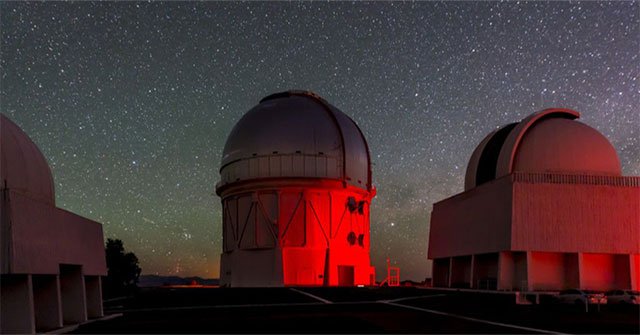
139 small planets, also known as microwaves, have been revealed in the dark region behind Neptune, which could be a clue to the ninth planet.
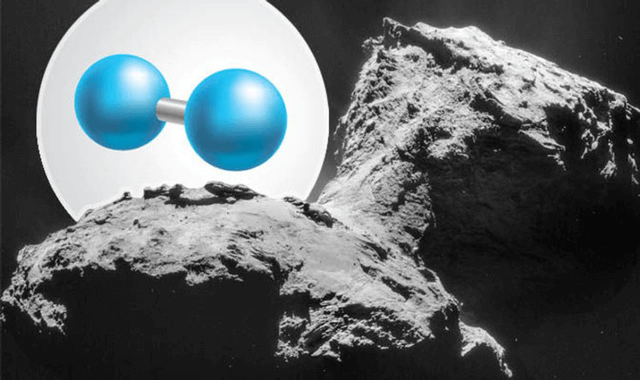
Researchers from the University of California, Riverside have developed a new technique that will use NASA's James Webb Space Telescope (JWST), scheduled to launch in 20…
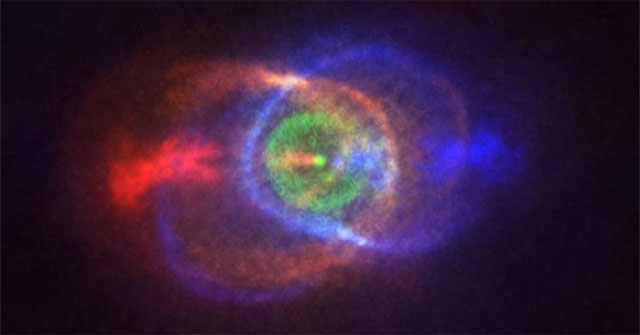
The ALMA telescope captures a beautiful multicolored gas cloud surrounding two fighting stars in the Centauru constellation more than 6,800 light-years from Earth.

Inouye telescope in Hawaii, USA has just taken pictures of the Sun's shell with dense plasma material. This is the sharpest picture ever taken of people.
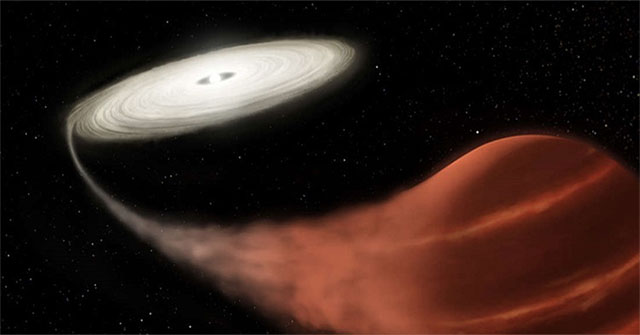
The light erupts as the white dwarf sucks matter from its nearby brown dwarf recorded by the Kepler Space Telescope.
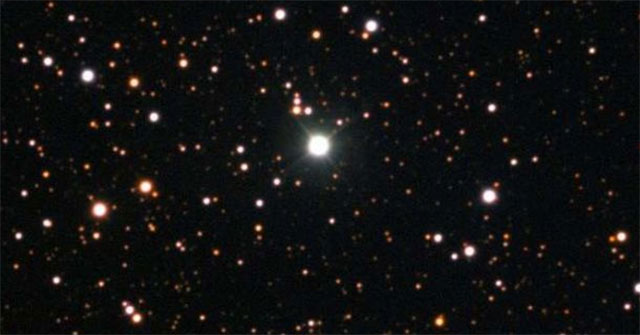
Chinese astronomers have discovered more than 10,000 giant stars containing many lithium elements.
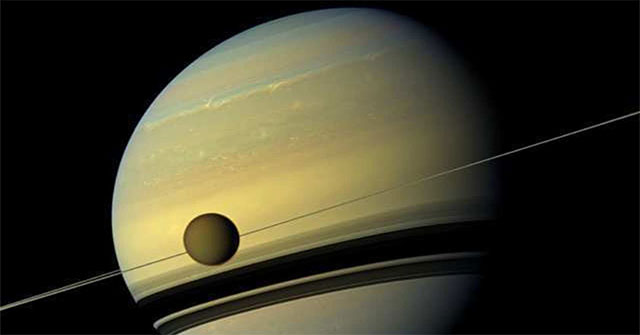
US scientists have developed a new technique to detect oxygen in the atmosphere of planets other than Earth.
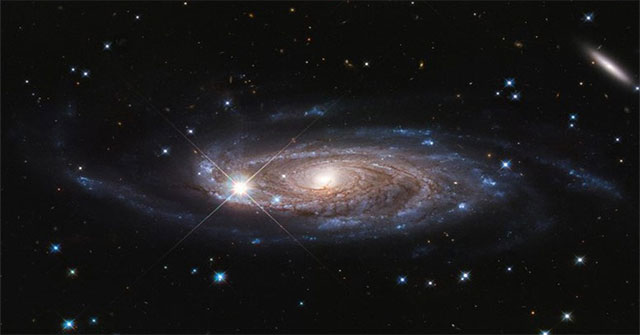
The US and NASA Space Hubble Space Telescope has discovered UGC 2885, the largest spiral galaxy ever recorded.
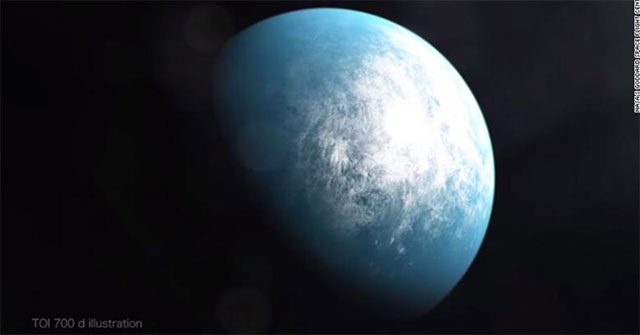
TESS, NASA's 'planetary hunt' program, has found a first habitable exoplanet about the size of Earth, orbiting a star about 100 light-years from us.