Space science
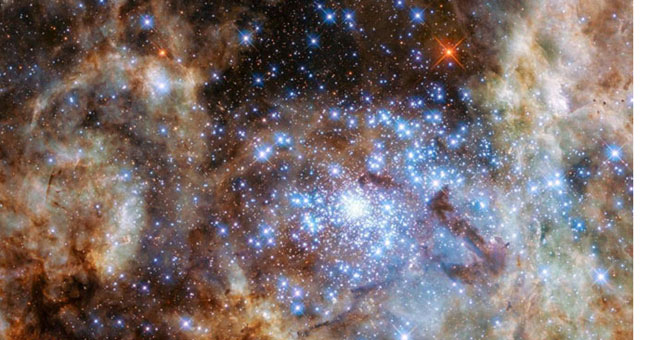
Detecting star clusters 30 million times brighter than the Sun.
Scientists have found the largest star cluster in the universe to date, with a brightness of 30 million times the Sun.
Browse ScienceInfo articles and explainers related to Telescope.
1,099 published items.
Scientists have found the largest star cluster in the universe to date, with a brightness of 30 million times the Sun.

Scientists believe that using micro satellites is more efficient and economical in finding planets that have life outside of Earth.

Although the stellar explosion lasted only 20 minutes and took place 1.2 billion light-years ago, the US Aerospace Agency (NASA) successfully recorded the bright light e…
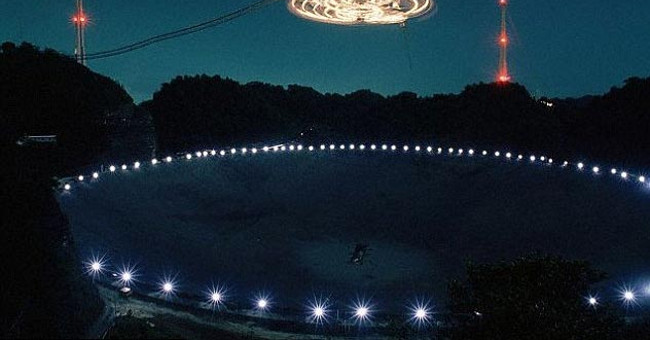
Frequent flashy radio waves burst across the universe in just a few milliseconds, before disappearing almost immediately afterwards.
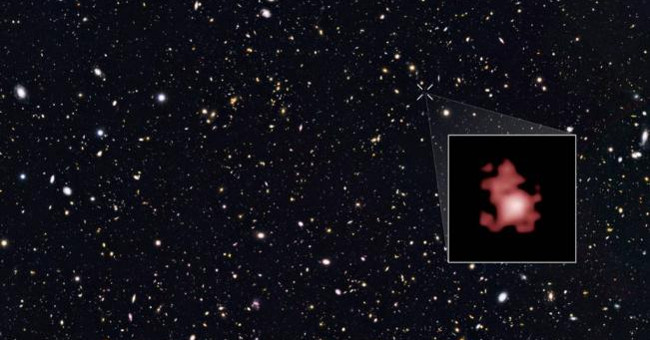
The US Aerospace Agency's Hubble Telescope set a new record when finding GN-z11, the most distant galaxy located 13.4 billion light-years from Earth.
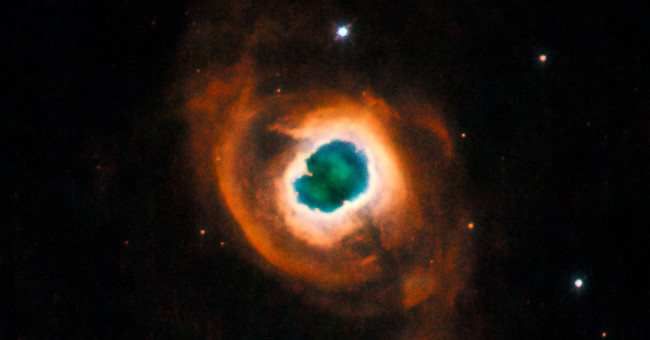
The European Aerospace Agency (ESA) has just released an image of a dying star, reflecting what will happen to our Sun in the next 5 billion years.
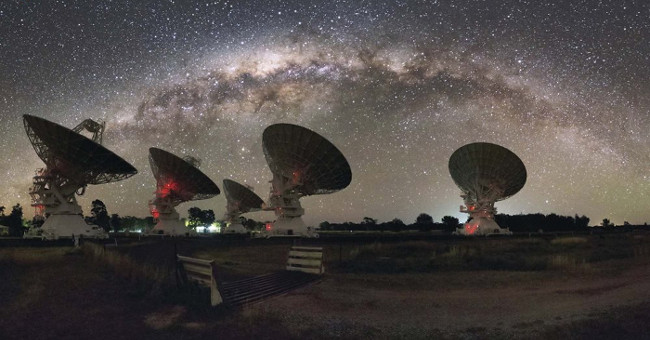
Through radio waves, astronomers can calculate the amount of matter they pass through, thus finding the mass of the universe.
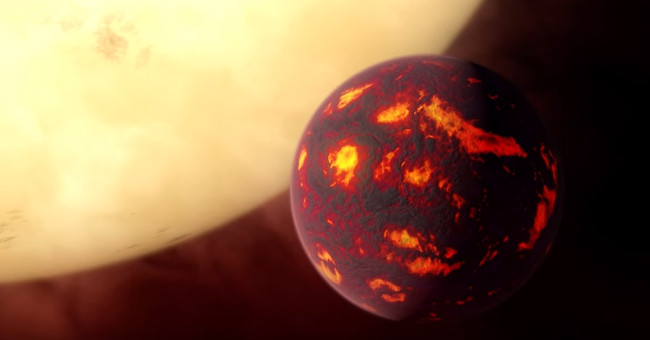
Using new techniques based on data obtained from the Hubble telescope, a group of European scientists investigated the substances that exist in the atmosphere surroundin…
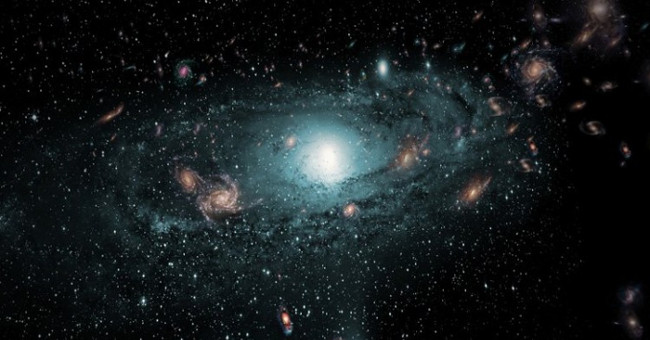
Astronomers discovered hundreds of new galaxies after using radio waves to see through the Milky Way's star system and dust.
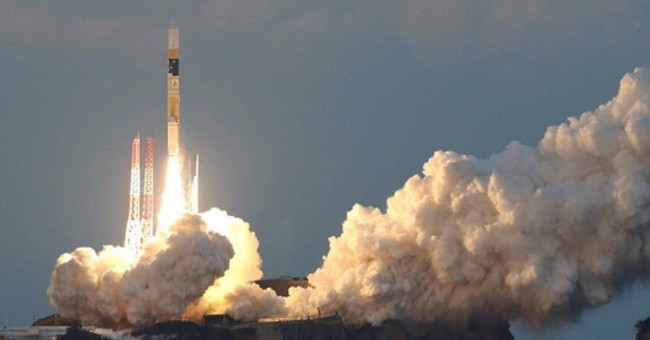
ASTRO-H satellites equipped with four X-ray telescopes and two gamma ray detectors were successfully launched from Tanegashima Space Center in Kagoshima Prefecture, sout…
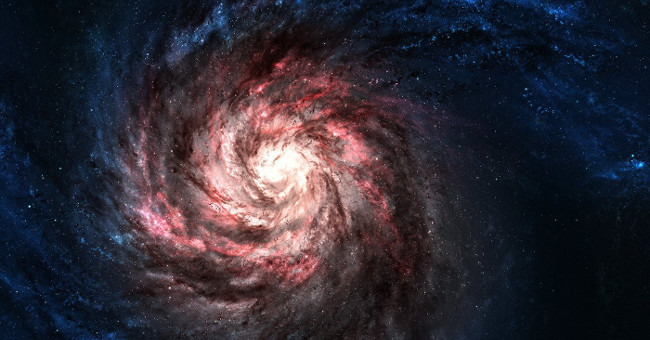
Of the 500 billion galaxies of the universe, the telescope from the US Aeronautics Agency (NASA) has recorded a truly remarkable image of some galaxies.
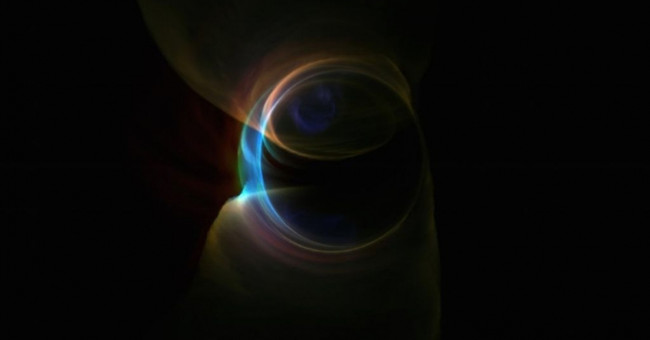
With a system of 9 radio telescopes located in many parts of the world, scientists will for the first time in history capture the image of the supermassive black hole lo…
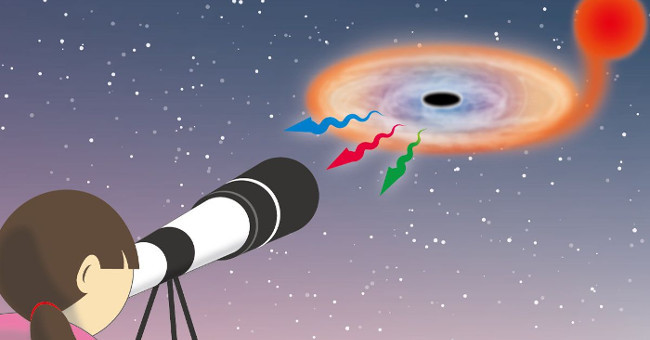
The only device to observe an active black hole near the Earth is a 20cm diameter telescope.
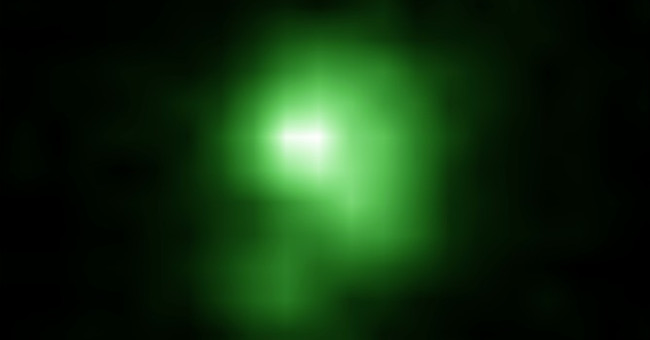
Hubble Space Telescope has just caught sight of a compact planet called J0925. A new planet is like a newly discovered green pea.
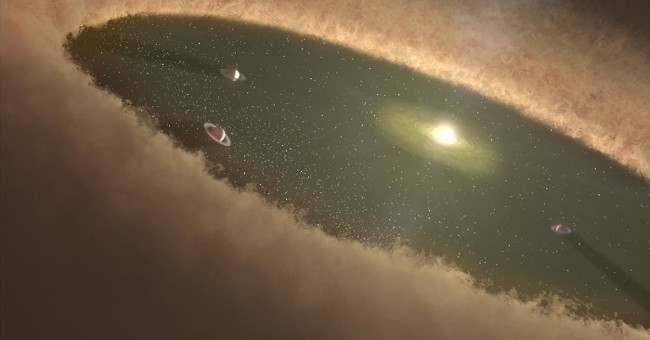
The latest image shows the close-up of the planet Lk C15, which gave birth to scientists.