Space science
Star 'starving' black hole is a billion light years from Earth
American astrophysicists discovered a black hole
Browse ScienceInfo articles and explainers related to Telescope.
1,099 published items.
American astrophysicists discovered a black hole
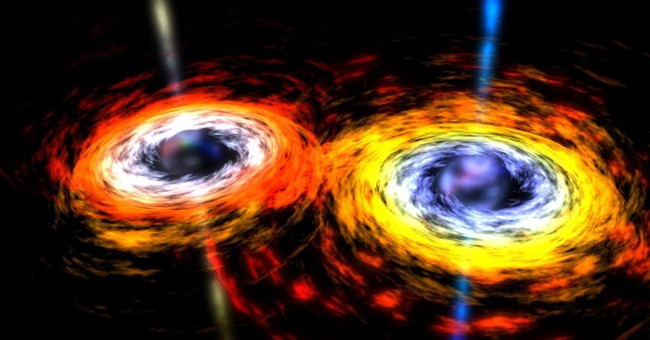
Scientists use NASA's Chandra X-ray telescope to detect a supermassive black hole in the center of a nearby galaxy.
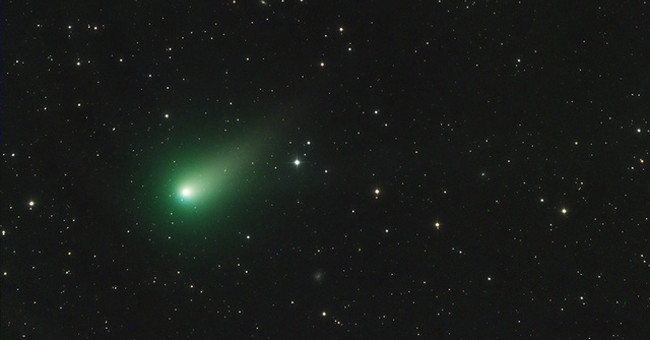
What's more interesting than welcoming 2016 with a unique astronomical phenomenon?
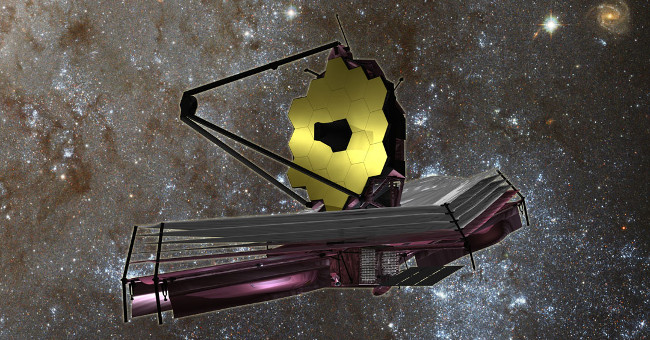
The European Aeronautics Agency (ESA) announced in October 2018 that it would use the Ariane 5 rocket to launch the James Webb space telescope to orbit.
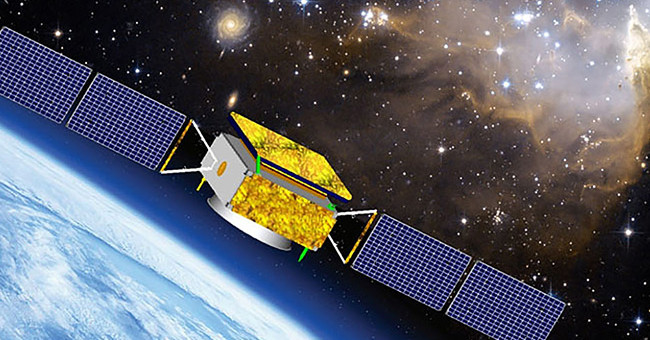
Not only want to build a large particle accelerator, but now Chinese scientists also launch satellites called DAMPE to study dark matter in the universe.
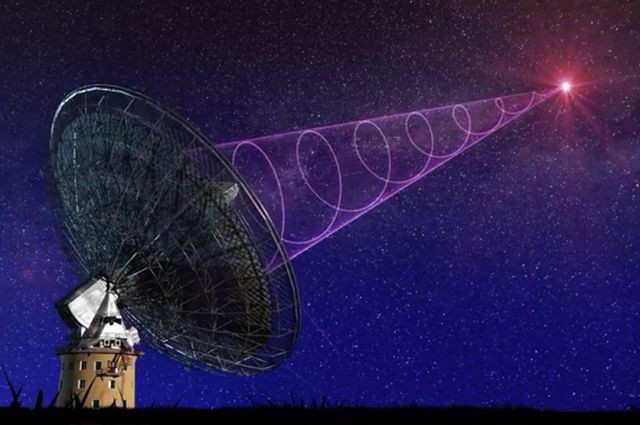
Astronomers have obtained 5 mysterious signals from deep in space, outside our Milky Way galaxy.
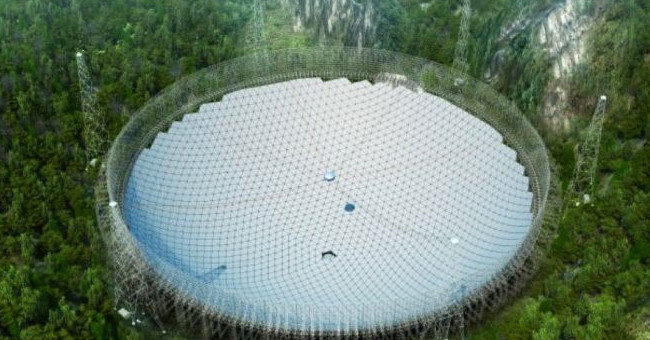
The building, which is as big as 30 football fields, will allow scientists to collect signals tens of billions of light years from Earth when inaugurated in 2016.
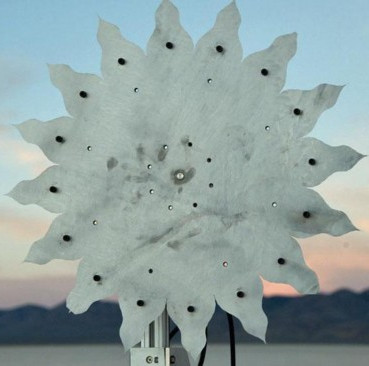
NASA's Starshade project can detect signs of extraterrestrial life hidden by light from stars, thanks to anti-glare devices for telescopes.

SEPIA, the integrated device on the APEX telescope, not only identifies water and other molecules in the galaxy, but can also hunt water from the early universe.
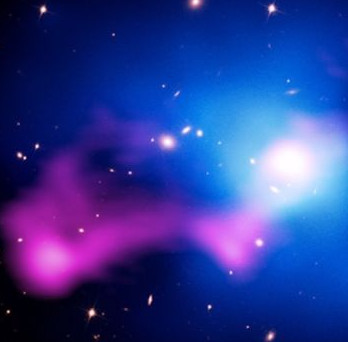
US researchers combine data from three telescopes to record an explosion image of a supermassive black hole 10 billion times larger than the Sun.

NASA has published a number of photos of stages in the life of stars, in celebration of the 18th Hubble telescope's birthday.

The peculiar eyes, giant jellyfish, Martian human faces, predatory eels, and dark shadows are special images in the universe recorded by astronomers for many years.
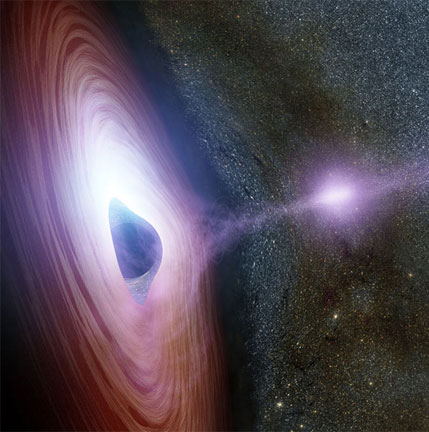
Astronomers from the US Aeronautics Agency (NASA) discovered corona halo containing high-energy particles that are responsible for glowing black holes.
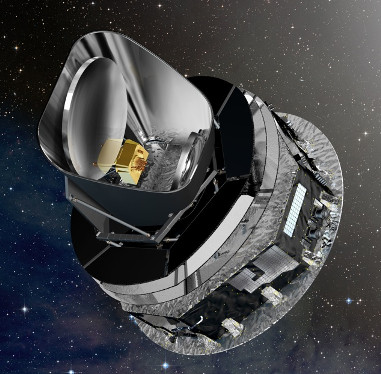
The amount of light that remains in space is likely to be remnants coming from another universe after the Big Bang.