Space science
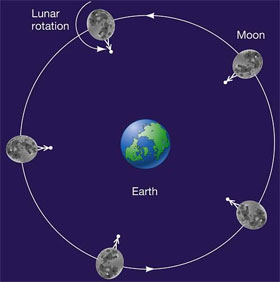
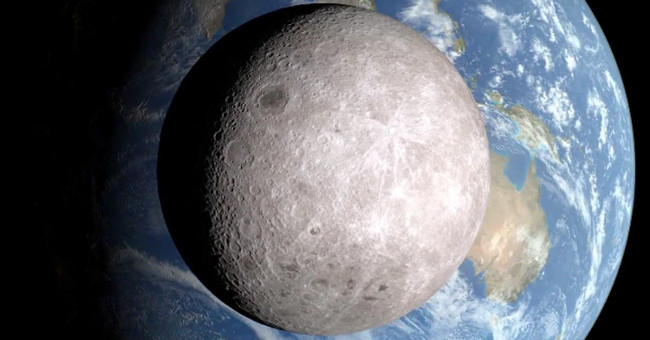
Never see the full Moon from Earth
The moon is the only natural satellite of the Earth and is also the only planet in which humans once set foot.
Browse ScienceInfo articles and explainers related to The Earth.
767 published items.
The moon is the only natural satellite of the Earth and is also the only planet in which humans once set foot.
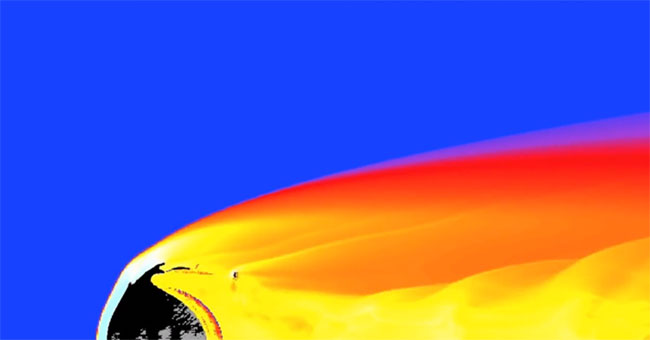
The US Aerospace Agency (NASA) uses the Pleiades supercomputer to simulate the moment an asteroid burns when exposed to the Earth's atmosphere, Gizmodo reported on June…
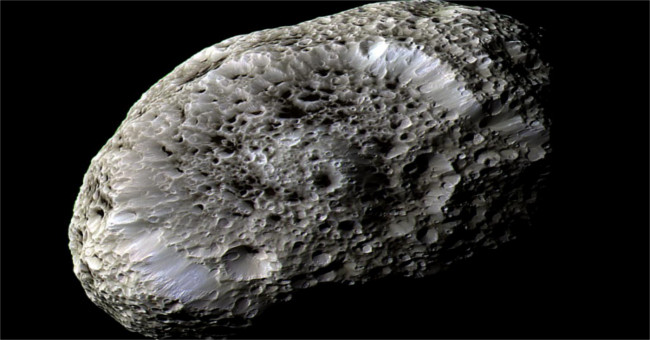
Apophis meteorite, 370m in diameter, can fall into the Pacific Ocean by 2036, having 65,000 times the impact of Hiroshima's atomic bomb.
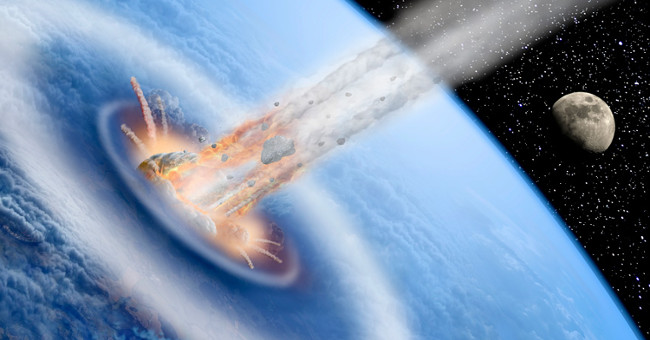
Wind and shockwave are the top assassins for humans if an asteroid is large enough to hit the Earth.
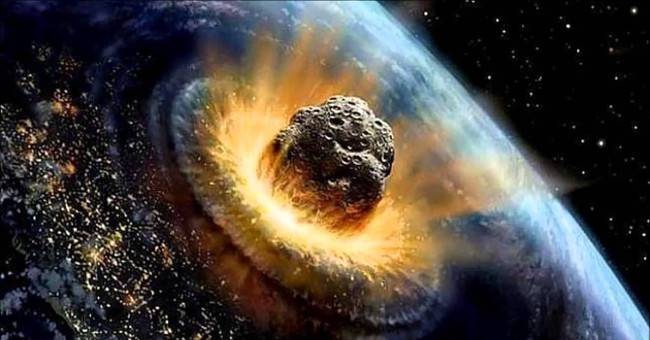
A leading astronomer warns the prospect of massive meteorite destroying life on Earth is only a matter of time before thousands of objects fly around the green planet.
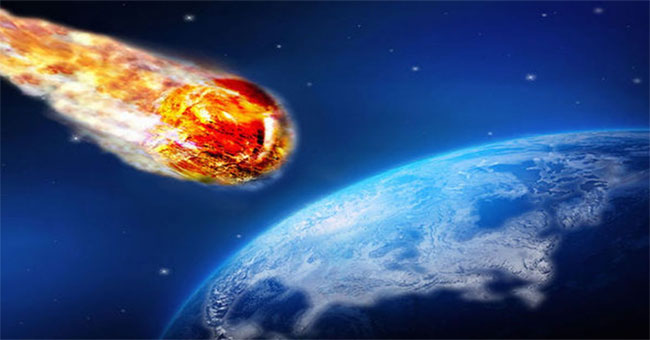
The asteroid with 300 times the destructive power of Hiroshima's atomic bomb, Japan, grazed the Earth on June 24.
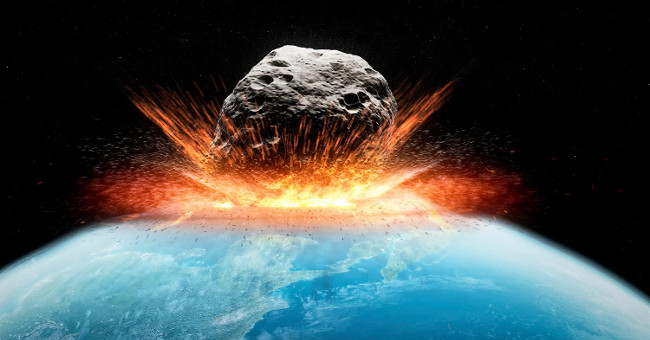
A leading astronomer recently made a terrifying prediction for humans on Earth about a giant meteorite weighing 40 million tons.

NASA space explorer announced the time that five asteroids would fly over the Earth in the next year. Among them, an asteroid is likely to endanger us.

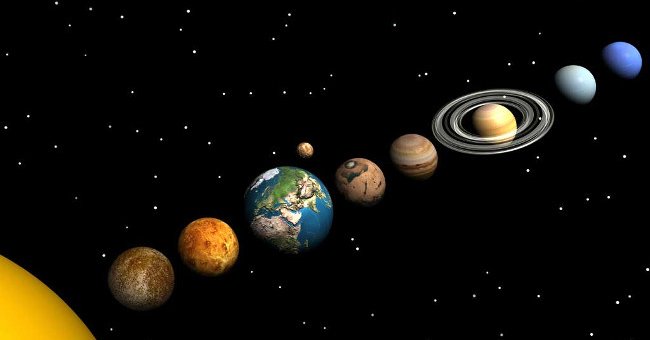
If crafting a spacecraft moving at light speed of 1,080 million km / h, humans could explore distant planets in the solar system in just minutes.
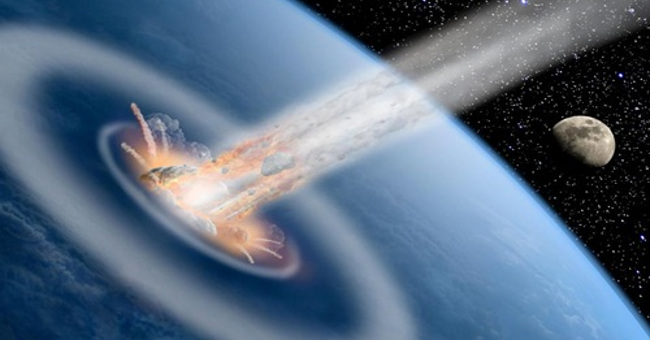
Strong winds, high pressure, heat radiation are three of the asteroid's effects when colliding with the Earth are capable of killing humans and many other organisms.
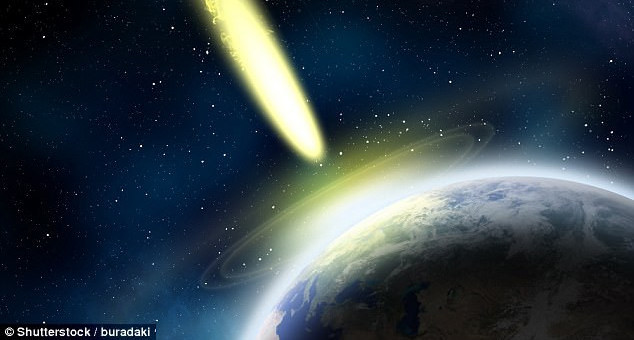
The fact that comets hit Earth 13,000 years ago has wiped out the lives of thousands of people and many animals, causing climate change for 1,300 years.
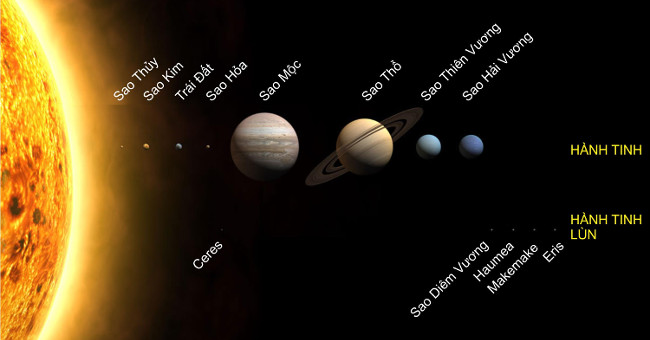
Earth and neighbor planets, along with asteroids, dwarf planets, meteorites, comets ... belong to the solar system (solar system) with the Sun at the center of this syst…
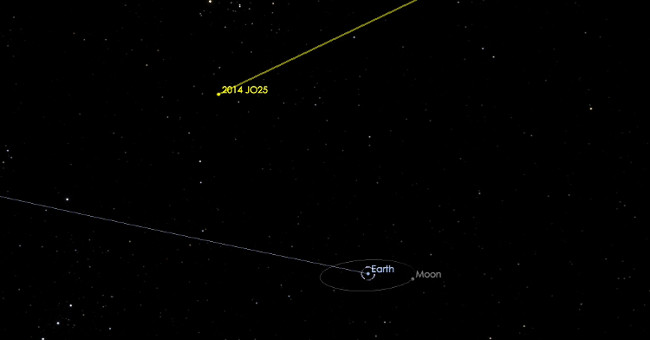
This 650-meter asteroid JO25 will fly across the Earth at an extremely close distance - about 1.8 million km.
Planetary scientist Barnes (Jason Barners) of Idaho University in the United States after years of research, calculating time