
Computer science
iPod shuffle into the world's smallest MP3 player
With a music device with ultra-small size, 1 GB capacity and 79 USD, Apple once again made the competitors surprised by the business tactics of the computer company but…
Browse ScienceInfo articles and explainers related to Tiny.
473 published items.
With a music device with ultra-small size, 1 GB capacity and 79 USD, Apple once again made the competitors surprised by the business tactics of the computer company but…

The array of thousands of tiny
Experts at HP's lab have successfully developed a tiny wireless data chip that can store up to 100 pages of text.
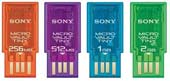
Yesterday (July 11), Sony launched the USB drive product that is considered the world's smallest Micro Vault Tiny with capacities from 256MB to 4GB.
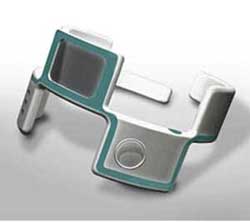
As a student dream, Embrace interactive bracelet is the integration of all the high-tech you crave: A small LCD screen, a tiny camera and Bluetooth technology - all inte…

Currently there are many games for you to choose, including the games you play back and forth are not boring, very addictive for users, especially games on iPhone with b…
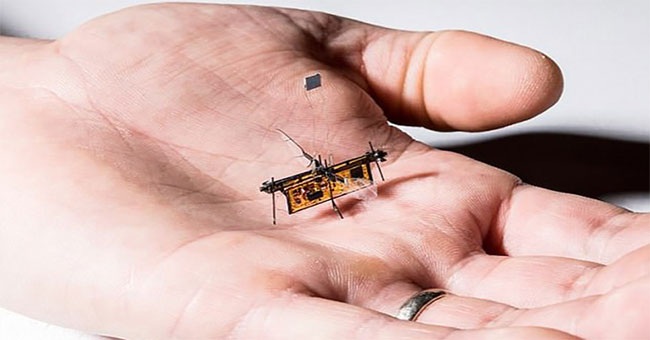
Weighing just a bit heavier than toothpicks, engineers at the University of Washington (USA) have created a new breakthrough in making tiny robots.
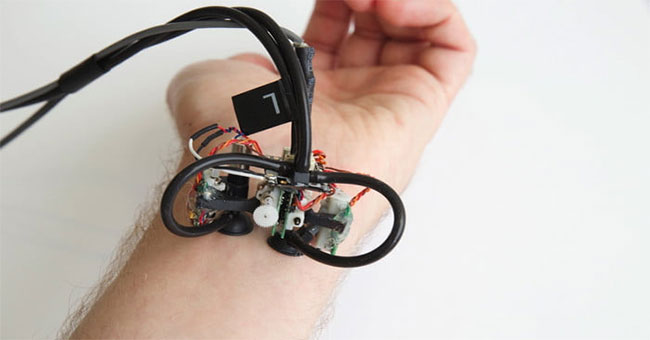
Scientists at the Massachusetts Institute of Technology have just developed a new type of robot capable of supporting screening for skin diseases, including skin cancer.

The record breaking invention not only extends the boundaries of physics but can also be used to study some of the mysteries of quantum mechanics and how objects work in…
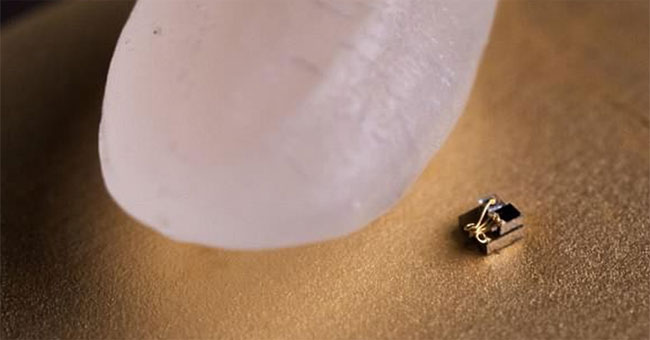
With that size, this tiny computer is completely blocked
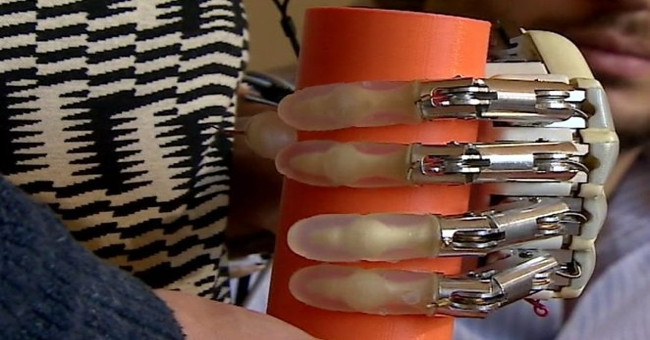
A woman who had an accident and lost her arm 20 years ago received an artificial arm, through tiny electrodes and sophisticated sensors.
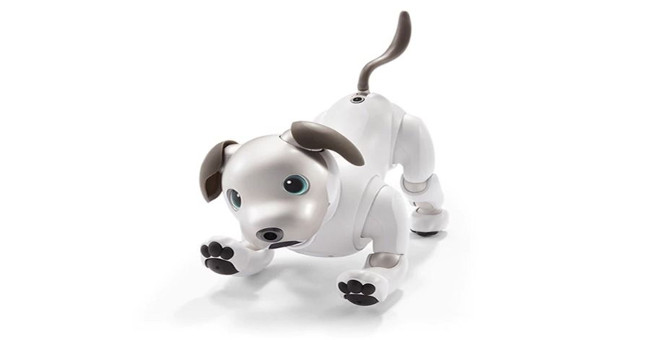
Aibo is a special robot dog. It uses a tiny actuator that allows the body to move in 22 axes.


The Saltp-1P was first developed by the researchers in December, but in the latest version, the robot was equipped with small pushrods that could move side by side.

Artificial leaves resemble a tiny solar plant, focusing light on molecules to trigger chemical reactions that produce drugs.