Environment
Launching motor vehicle emission testing center in Hanoi
The most advanced road transport vehicle testing center (NETC) in Vietnam has been inaugurated ...
Browse ScienceInfo articles and explainers related to Toxic.
612 published items.
The most advanced road transport vehicle testing center (NETC) in Vietnam has been inaugurated ...
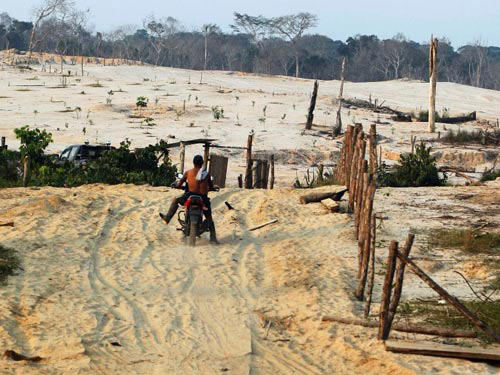
To get a gram of gold, people use two or three grams of toxic mercury to exploit it. And in order to have handmade gold mines, people do not hesitate to destroy forests…
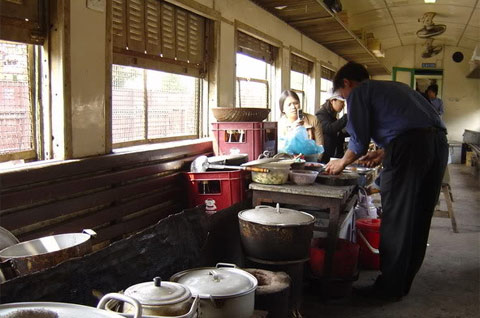
Experts warn that indoor air pollution is alarming, as 70% of people surveyed in a survey complain about the atmosphere in their place.

Red alluvial red river water suddenly suddenly flows through Hanoi to turn green.

The world's largest polluted sea can provide an endless amount of electricity to humans thanks to its toxic gas.

Big C supermarket system has just implemented a project to collect used batteries at all Big C shopping centers and supermarkets nationwide.

The Institute of Environmental Technology, Vietnam Institute of Science and Technology has successfully researched, manufactured and put into use the VHI-18B toxic solid…

Very few people know that everyday items in the house are also a significant source of pollution for our home.
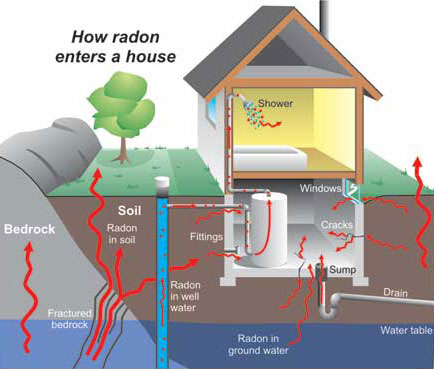
The concentration of harmful radon gas in houses is one of the civilized living standards that are increasingly concerned by many countries. Hanoi began to pay attention…
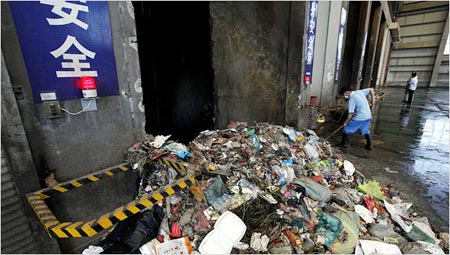
In a developing urban area in southeast China grows a massive incinerator, smells of stench and miles away and emits a lot of black smoke and toxic chemicals, ...

People in Australia's Queensland state are participating in the campaign to hunt for a toxic giant frog native to the Americas.

Super soft toilet paper is something we only use for a few seconds, but its negative effects on the environment can last for centuries, more than a car.

A city in southern China is considering the possibility of using contaminated milk powder as a raw material for brick production, to limit the risk of soil and water pol…
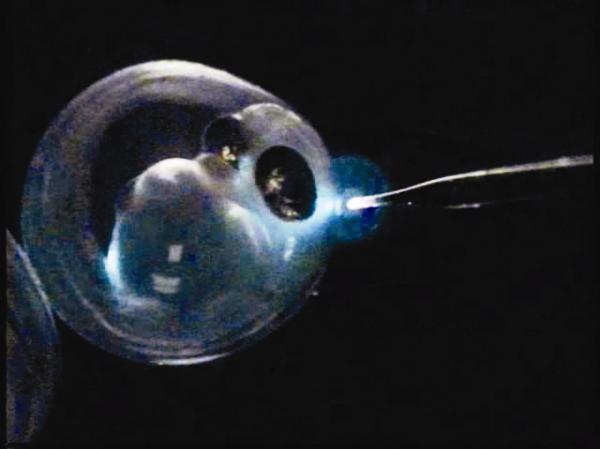
Researchers have recently used the susceptibility of a few-day-old fish embryos to create a tool capable of identifying some toxic chemicals.

Nitrogen trifluoride (NF3) is commonly used in the TV industry 17,000 times more carbon dioxide (CO2) and has an annual production of 4,000 tons.