Discover science
I inherited more from my father than my mother
It is possible that many of us are more like moms in appearance but new research by US scientists suggests that we often inherit more genetics from the internal family -…
Browse ScienceInfo articles and explainers related to Treatment.
1,941 published items.
It is possible that many of us are more like moms in appearance but new research by US scientists suggests that we often inherit more genetics from the internal family -…
The development of medicine, science and technology ... promises to bring life
The brain is a mysterious part of the human body, controlling all human thoughts and activities.
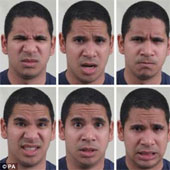
In a new study, we often show 21 different facial expressions on the face, three times more than the long-accepted number (6 shades).
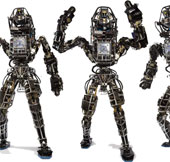
Scientists are waiting for new achievements in 2014, with breakthroughs in the fields of physics, medicine, robotics and archeology.

Snoring not only disturbs people nearby but also makes you pale, even worse.
Sometimes we forget the name of a person just a few minutes after being introduced and

Science has taken a very serious look at the phenomenon of shadowing, hoping to support the psychological treatment process for patients.
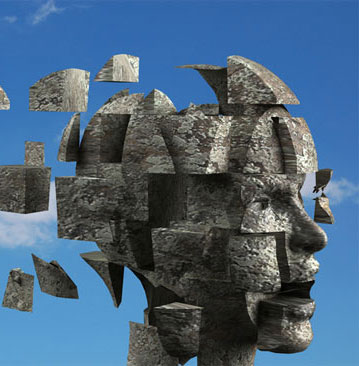
Scientists, painters, and creative workers are many times more likely to suffer from neurological diseases than others in society.
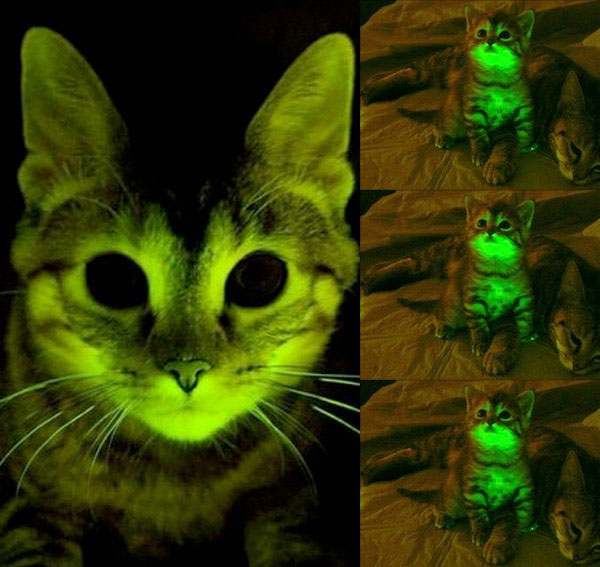
Along with the advancement of medicine and the desire to conquer the disease of the century, 2011 marked many breakthroughs in HIV treatment.

The small head plant (Hedrotis microcephala) picked from Bu Gia Map National Park, Binh Phuoc province has just been found to have anti-cancer effects.

Last December, Luisa Bozana's dog Einstein was diagnosed with brain cancer. The large tumor took up most of the 8-year-old dog's left lobe.
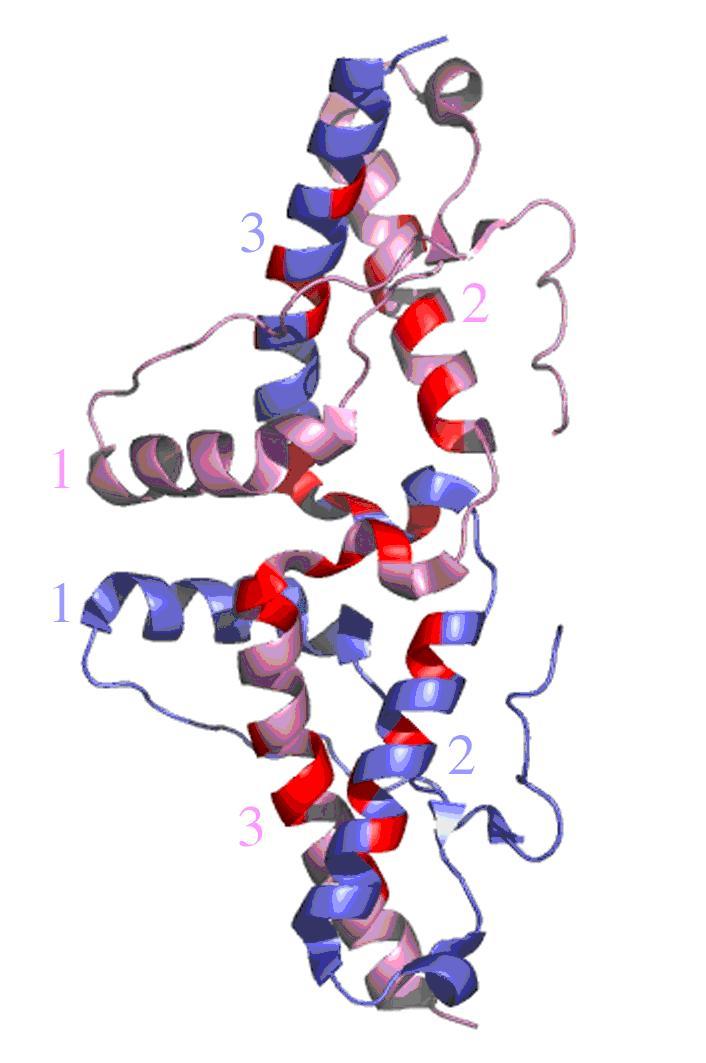
The discovery by scientists at Scripps Research Institute has yielded a prospect of a new drug to treat people suffering from the wrong twisting of proteins.

Early detection and treatment of children's hearing problems and the ability to score scores in music are two different potential outcomes of some studies.
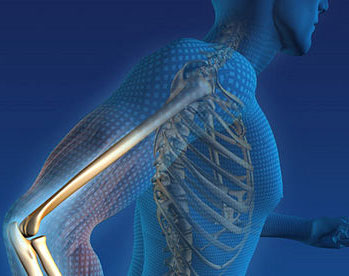
How do we know our own hands? Scientists have taken a step closer to explaining this mystery.