Environment
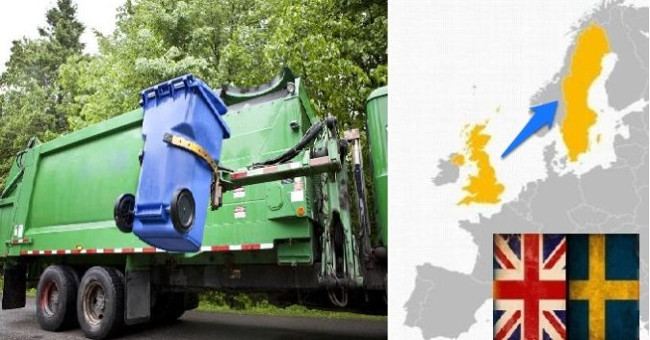
Sweden imports rubbish from other countries due to an overly efficient recycling system
Less than 1% of household waste in Sweden has been moved to landfill since 2011, Independent.
Browse ScienceInfo articles and explainers related to Treatment.
1,941 published items.
Less than 1% of household waste in Sweden has been moved to landfill since 2011, Independent.
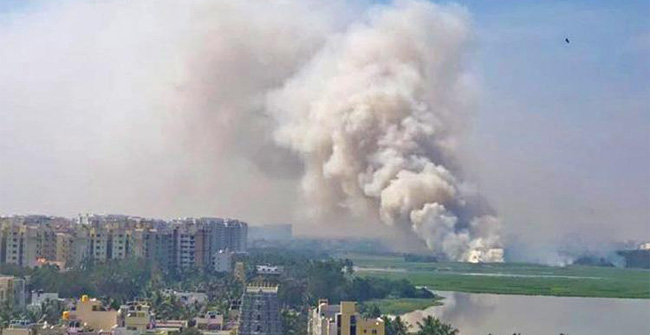
An extensive lake of India many times catches fire and fumes with smoke because of the many flammable contaminants.
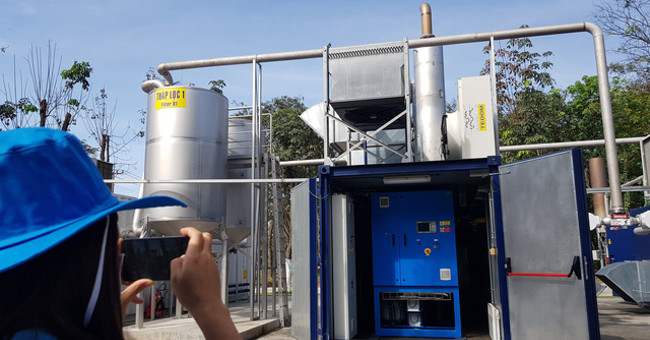
On January 10, Binh Duong People's Committee put into operation the Binh Duong waste treatment complex with the ability to receive and process 3,000 tons of domestic was…

Marselisborg wastewater treatment plant in Aarhus has produced 150% of the electricity needed to operate the plant, bringing clean water to households.
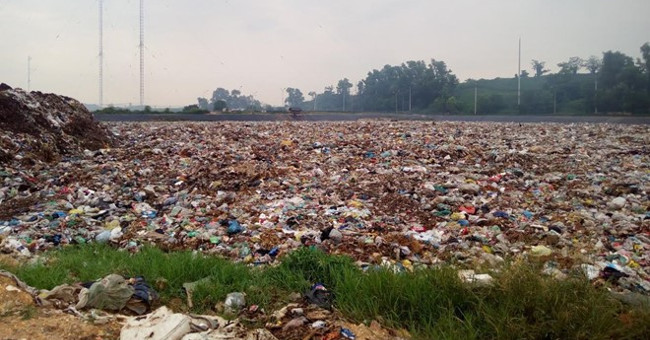
Japan has completed construction of a pilot model of waste burial compartments according to Fukuoka aerobic burial technology in Hanoi.
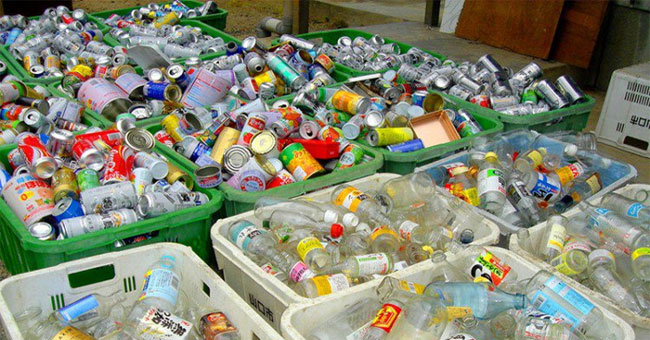
With over 45 million tons of waste per year, Japan successfully developed an efficient waste treatment system, becoming one of the cleanest countries in the world.
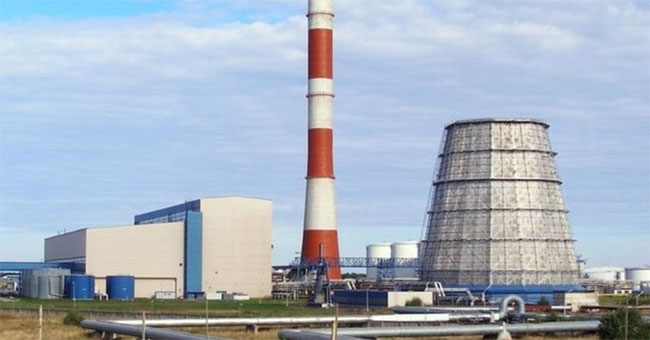
Estonia is the only garbage importer in the world to maintain a full-capacity power plant.
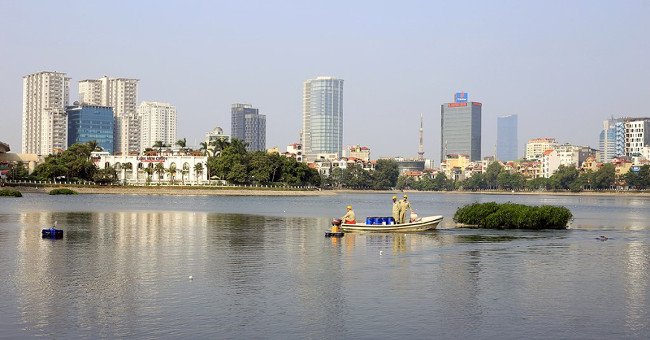
Drainage Enterprise No. 4, Hanoi Sewerage One Member Co., Ltd. is cleaning Hoang Cau and Van Chuong reservoirs with new advanced Redoxy-3C technology from Germany.
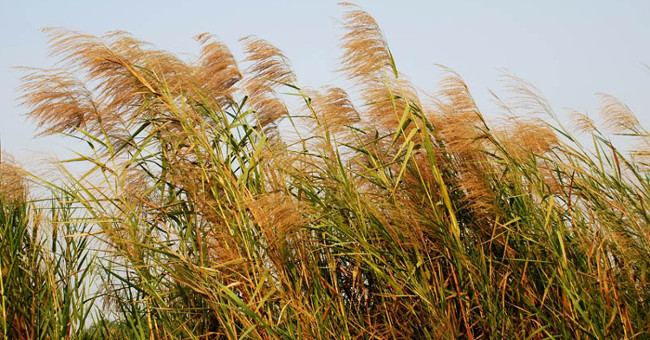
A waste water treatment system that is completely based on nature, does not cost much investment or maintenance costs but does not yield inferior to other wastewater tre…

Plastic waste not only causes environmental damage, it also has a great impact on the economy and human health.
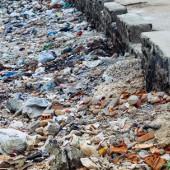
Although these garbage-filled aisles are not a tourist stop, but want to go to scenic spots, swim in the sea, they are forced to pass by here and endure the smell. Unple…
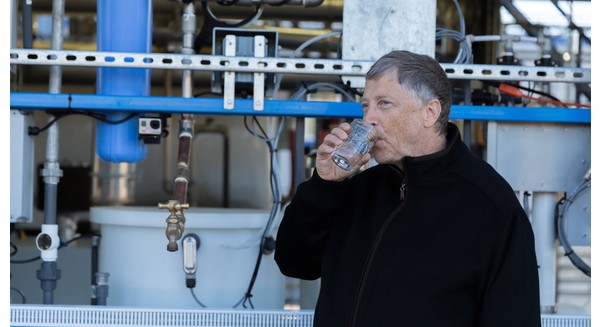
Earlier this year, Bill Gates surprised everyone by drinking water treated from ... feces in just 5 minutes.
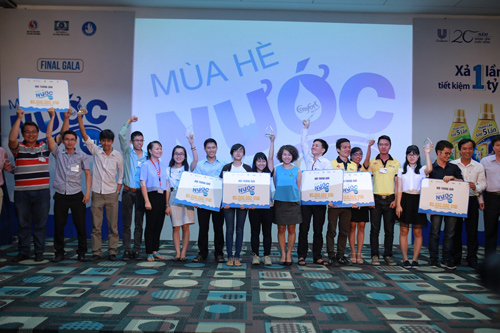
With 300 million prizes, 6 winners of the Summer Water Contest will coordinate with the Green Summer campaign, to provide clean water to thousands of people.
As the daily temperature rises, the number of patients seeking treatments for kidney stones also increases.
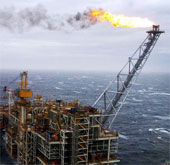
Turning waste into energy is no longer a novelty. The problem is that the waste treatment process often produces carbon dioxide, which is harmful to the environment.