New technology
New technology on 6G phones can help detect skin cancer early
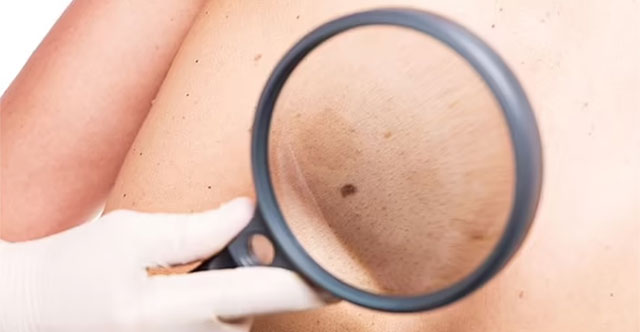
Scientists have discovered a new method that can detect skin cancer in just a few seconds, thanks to technology available on 6G network phones.
Browse ScienceInfo articles and explainers related to University.
4,907 published items.
Scientists have discovered a new method that can detect skin cancer in just a few seconds, thanks to technology available on 6G network phones.
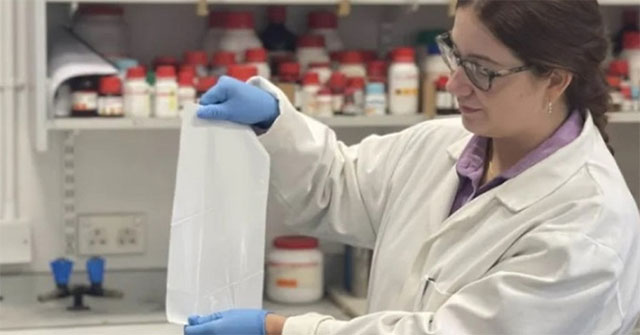
Scientists have developed a plastic that kills viruses that are able to persist on surfaces and infect hospitals like nCoV.
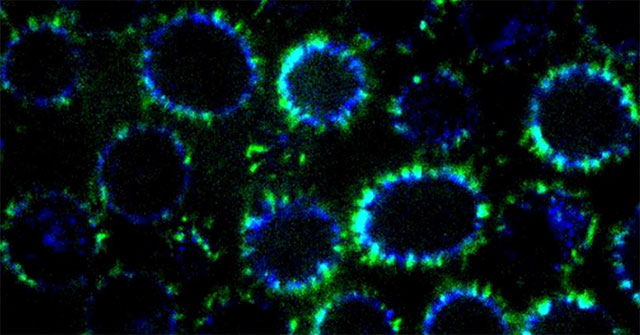
Researchers create nanotubes that don't leak, don't clog, and could deliver drugs in the future.
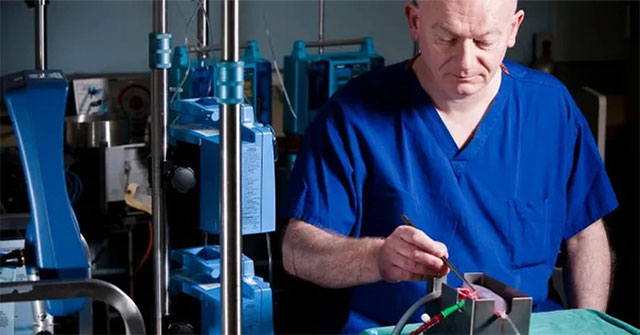
Researchers have successfully changed the blood types of three donated kidneys, providing a greater chance for patients who can't find an organ source of the same blood…

Researchers from the University of Bologna (Italy), part of an international team, have discovered a gene that is important in the healing of heart damage after a heart…
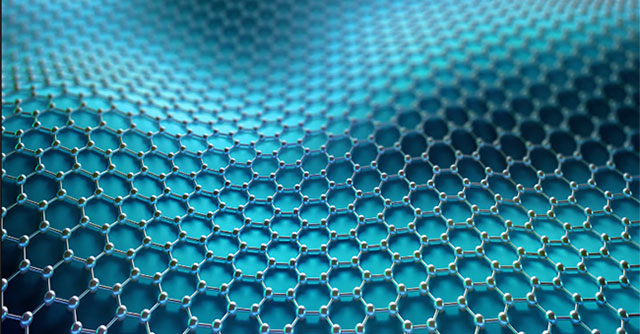
Engineers at the University of Vienna have developed a new composite material that creates an effective filter for removing organic pollutants from water.

New research from Cornell University, USA shows that dogs can 'see' as well as smell with their very sensitive nose.
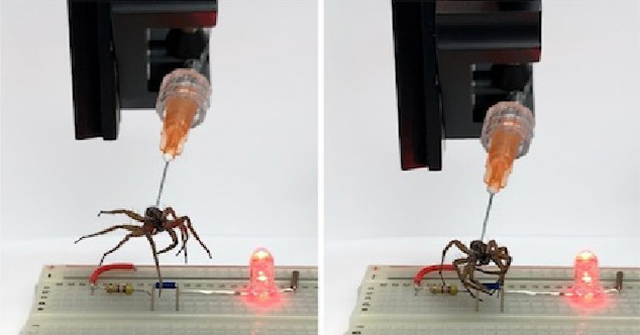
Scientists have found a way to manipulate dead spiders like a robotic arm to lift heavy objects.
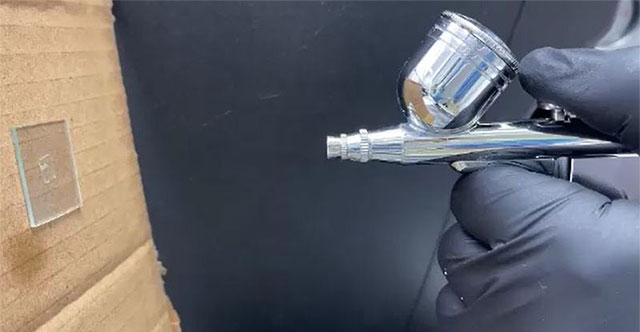
Scientists from Australian universities have invented a disinfectant spray that can prevent the spread of bacteria and viruses, including the SARS-CoV-2 virus.
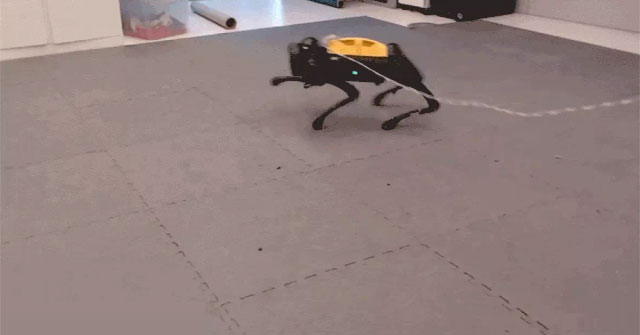
Researchers at the University of California, Berkeley, have built a unique robot: a robot that learns to walk on its own.

Eggs from chickens raised at a US university contain high levels of antibodies, which can be used to treat or help prevent Covid-19 infection.

The process could be used to discover a whole new class of ultralight particles and provide direct information about the mass and state of 'gravitational atom' clouds.

Scientists at the University of Chicago have developed a new algorithm that predicts crime with up to 90% accuracy using data analysis and machine learning.
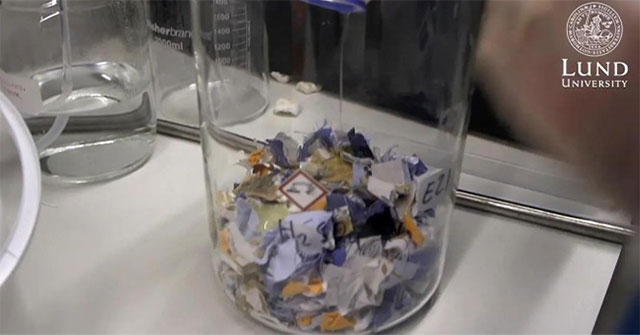
The new method converts waste cotton fabric into sugar, which can be used to make spandex, nylon or ethanol.
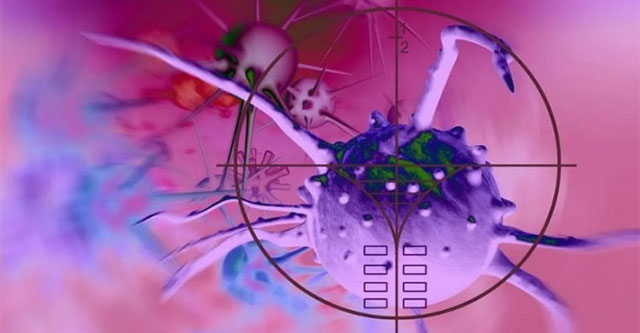
The team from Osaka University discovered that it is possible to encase the worms in a hydrogel shell containing compounds useful as cancer drugs.