New technology
Attach the camera to the American professor's head
At first glance you might think this is a joke, but in fact a US photography professor will implant a small camera in the back of the skull.
Browse ScienceInfo articles and explainers related to University.
4,907 published items.
At first glance you might think this is a joke, but in fact a US photography professor will implant a small camera in the back of the skull.
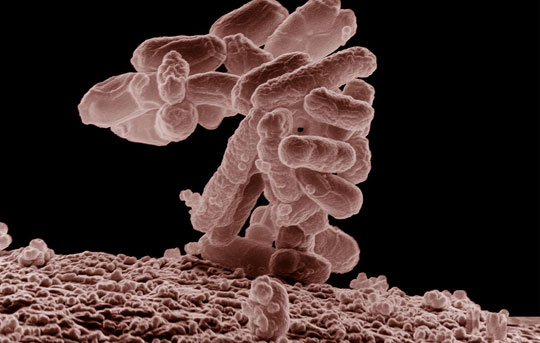
A group of students at Newcastle University have successfully developed a bacterium that can produce special glue that seals cracks.
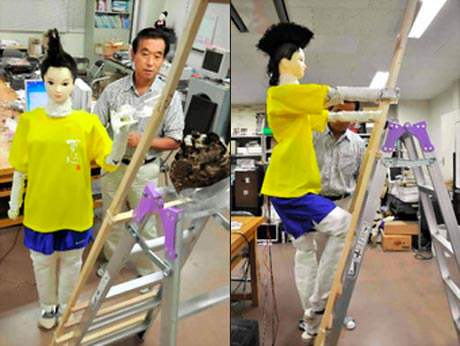
The humanoid robot, called the Mohican, is about 1.67 meters high, made from light metal and wood, and can escalate to pesticide spraying.
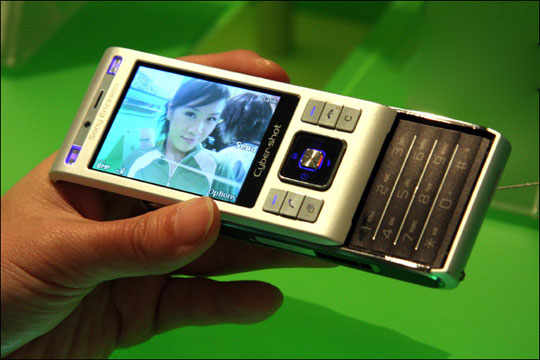
Scientists at the University of Manchester have developed a software for cell phones so they can recognize users face-to-face in real time.
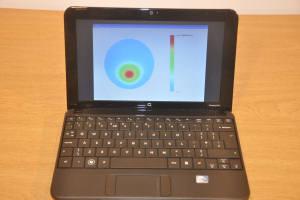
Researchers at the University of Manchester have successfully created a handheld scanner that quickly identifies breast cancer, helping women instantly recognize tumors…
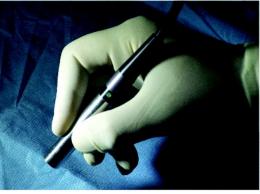
In tumor surgeries, the complete removal of tumors as well as the avoidance of the effects on healthy cells is critical, determining the survival of the patient.
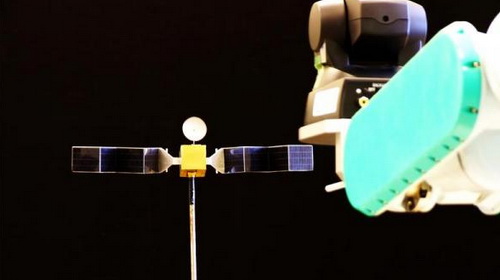
Scientists at the Carlos III de Madrid University (UC3M, Spain) have developed a new system, which automatically locates ...
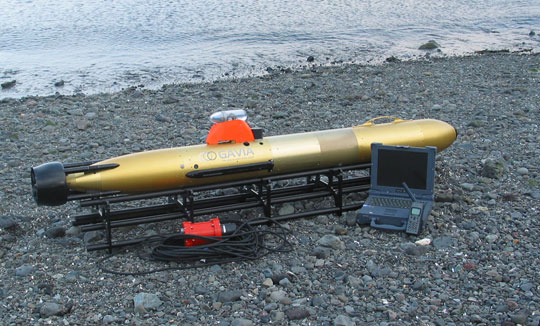
Researchers at the University of British Columbia (UBC, Columbia) are developing an underwater robot to survey the oceans.
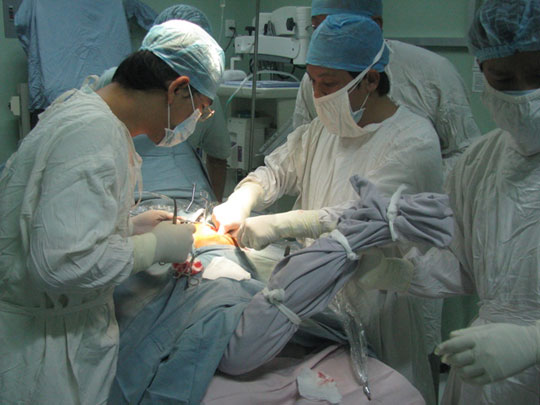
Japanese scientists have developed a guideline that can monitor lymph nodes and blood vessels during surgery.
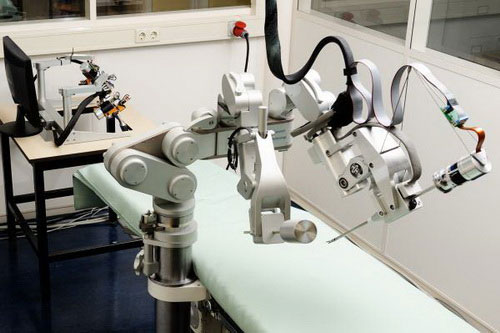
This robot, called Sofie, was developed by Dr. Linda van den Bedem of the Eindhoven University of Technology in the Netherlands to overcome the shortcomings of surgical…
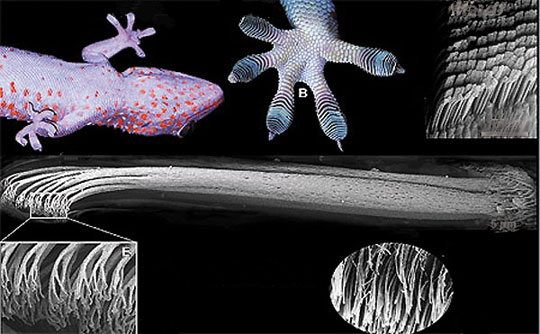
Scientists from the University of Southern Mississippi, USA have created a material that simulates the structure of hair, hair of animals ...

A university in UAE has developed the first Arabic-speaking robot in the world, able to talk to people, based on information gathered from the internet, including social…
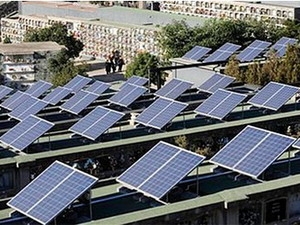
In two new studies, scientists have announced a new way to make cheaper and more efficient photovoltaics.

A team from the University of South California led by Dr. Xiaodong Li has created a material called boron carbide, which is super-hard but very light.

Dr. Mark Gasson, a British scientist who works at the University of Reading, said he became the first person in the world to suffer