Archeology
10 most archeological findings (2)
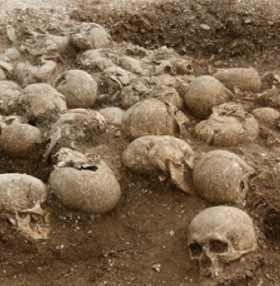
These archaeological findings have somewhat clarified the historical questions left open.
Browse ScienceInfo articles and explainers related to Vampire.
140 published items.
These archaeological findings have somewhat clarified the historical questions left open.

A small dinosaur that lived 200 million years ago possessed fangs like vampires, parrot-like beaks, and hard hair like porcupines.
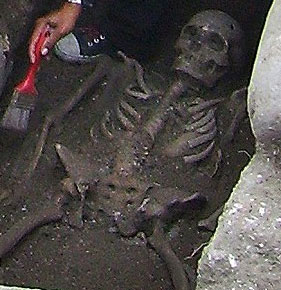
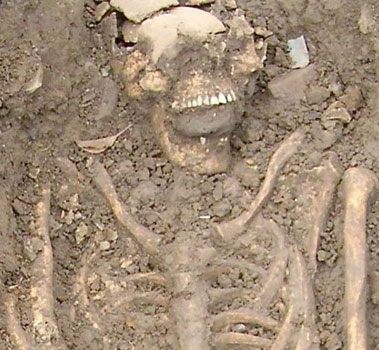
A number of human remains from the 8th century have been found with large stones caught in the mouth. Researchers believe that at that time, local people did so so that…
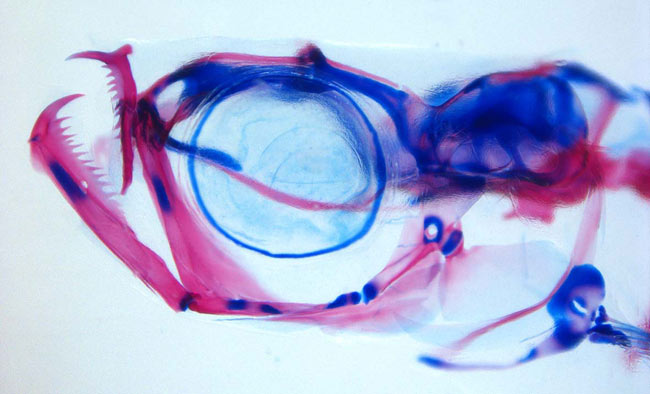
A newly discovered family of minnows called vampire fish seems to have taken 30 million years to redevelop the outer fangs after they have lost their vampire-like teeth.…
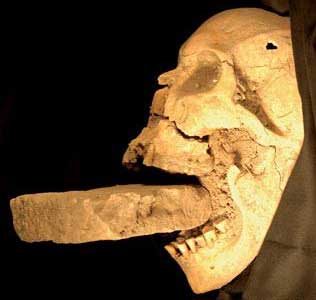
According to an Italian archaeologist who directed the excavation, they recently discovered the remains of a medieval vampire in a body of a plague victim in the 16th ce…
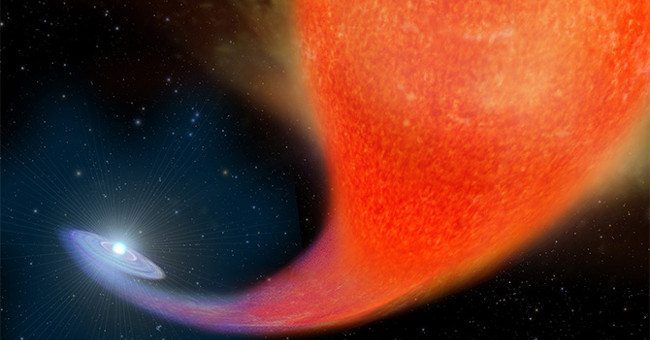
Green wandering stars are dubbed vampires in the universe because they specialize
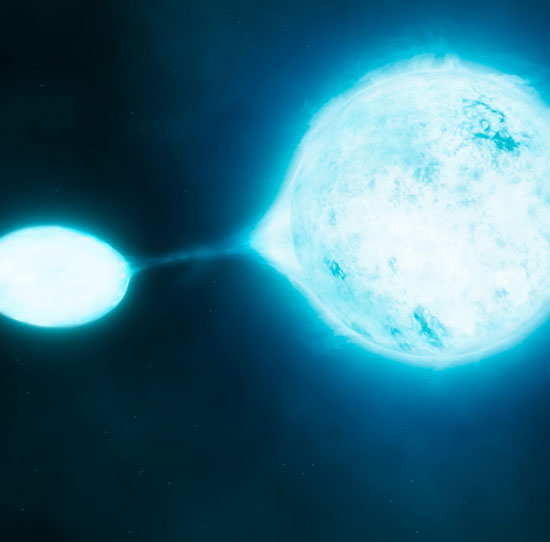
Like vampires in fantasy movies, super-big stars come close to other stars

Countess Elizabeth County was tried for murdering 610 girls in order to take blood to preserve youth.
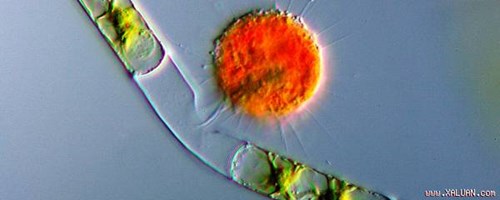
The world's smallest blood-sucking vampire is called Vampyrella. It is a nightmare for all species of algae, bacteria, fungi.
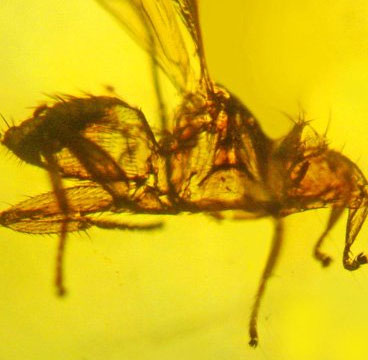
Scientists have published the fossils of bat flies, the tiny
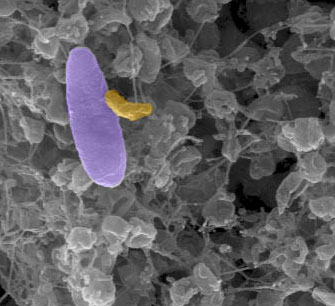
US scientists think it is possible to use a vampire-like bacterium

Scientists have discovered a blood-sucking moth in Russia's Siberia region. Their blades have hooks and prongs to drill deep into the prey's skin.
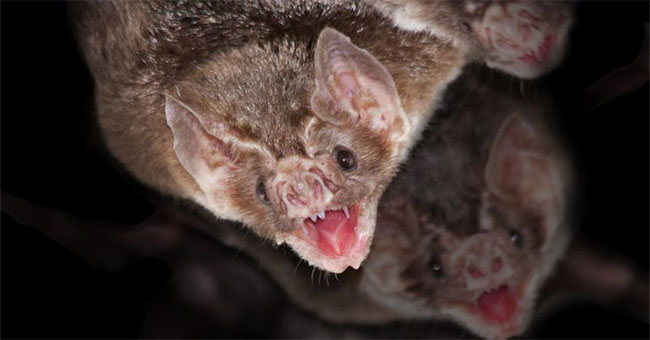
With people in Peru and Belize, they are so familiar with bats that are dubbed vampires: demon bats.

Fish Payara, aka vampire fish, scientific name Hydrolycus scomberoides, is a freshwater predatory fish.