Animal world
The viper in Vietnam has a unique and scary appearance.
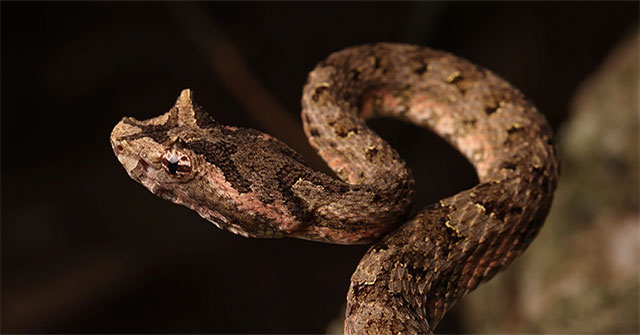
Although it is called a green snake, this snake does not have the usual green scales, but has a scary appearance with a pair of horns on its head.
Browse ScienceInfo articles and explainers related to Viper.
24 published items.
Although it is called a green snake, this snake does not have the usual green scales, but has a scary appearance with a pair of horns on its head.
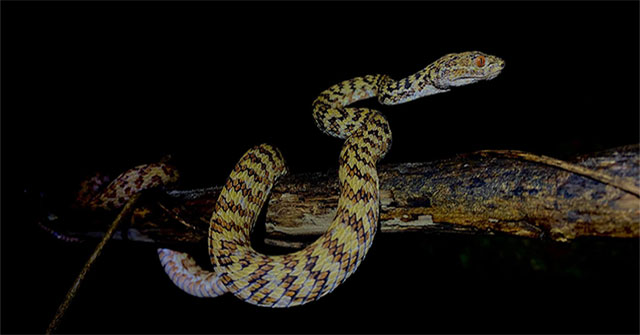
In Vietnam there exists an endemic species of venomous snake that lives only on a small island in Kien Giang province.
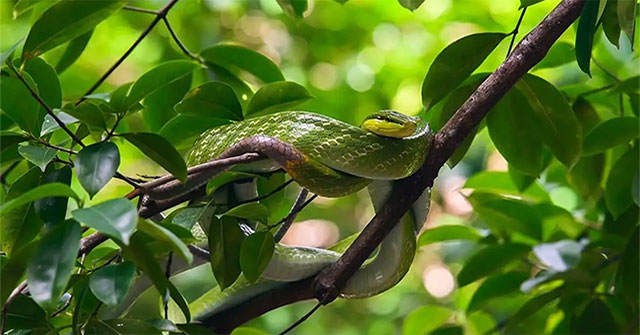
In Vietnam, there is a species of snake with a scary name and an appearance identical to a venomous snake, but in fact this is a benign and completely harmless snake. Wh…
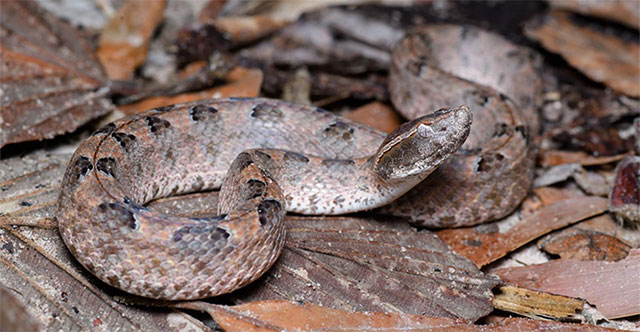
Instead of trying to hide when seeing humans, this venomous snake chooses to lie still and is ready to bite anyone who comes close or accidentally steps on them.
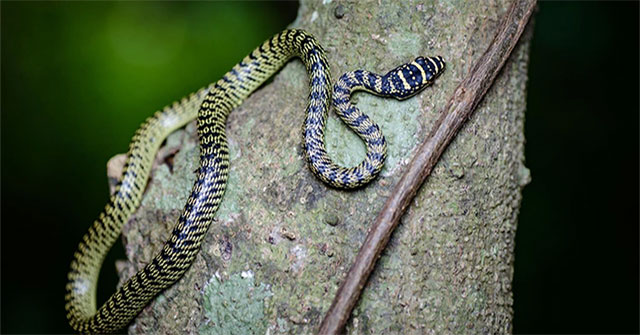
A small-sized, completely harmless snake distributed in Vietnam, but often injured
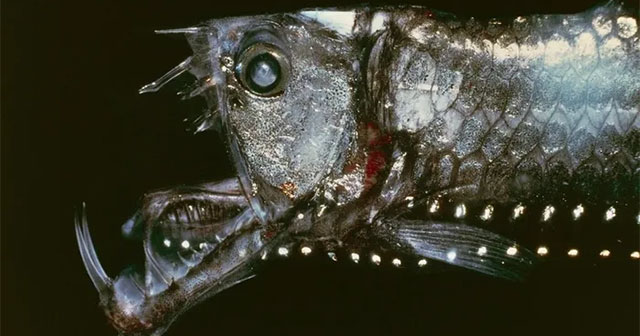
According to researchers, sea monsters at the bottom of the ocean are considered to have the most terrifying and haunting appearance on the planet and are rarely seen by…
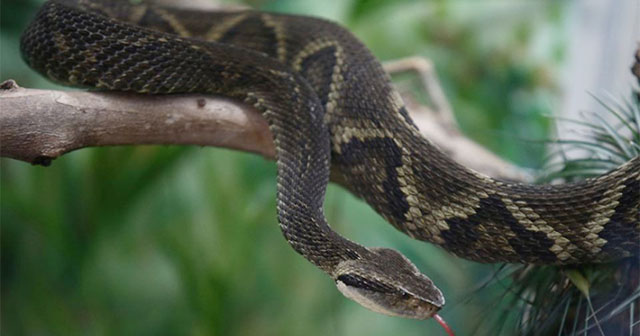
The new discovery will help reduce the risk of death and serious injury from the bites of one of South America's deadliest venomous snakes.
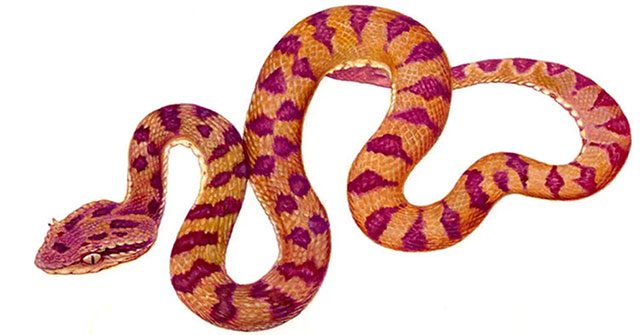
Despite the name viper, this snake is not green, but has a very prominent color.
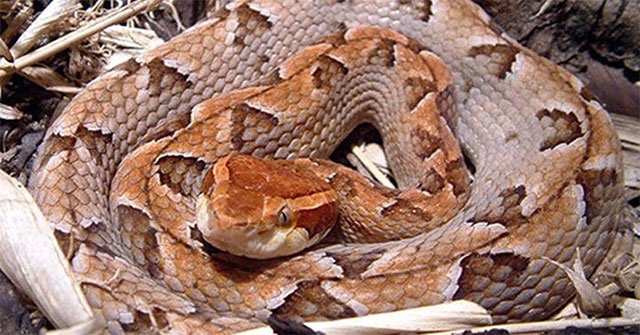
Both belong to the family Viperidae, so it is easy to confuse.
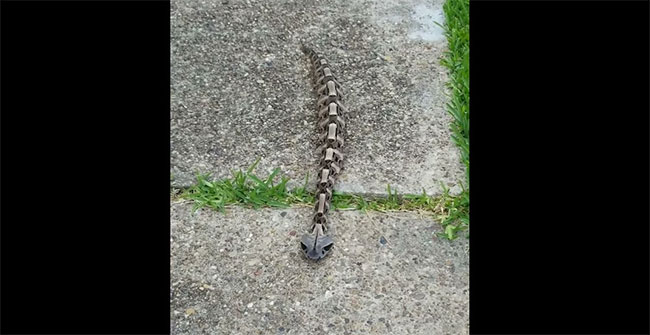
At first glance, many people will probably guess that it is some kind of worm, but this creature is extremely dangerous.
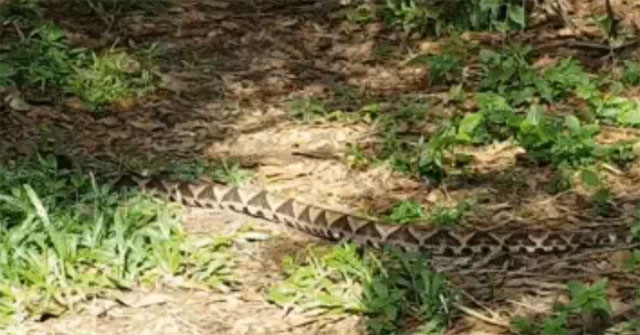
A creature lurking in the bushes, it had a rather distinctive head with a pointed upturned nose and two eyes resembling a cat's. More strange are the triangular patterns…
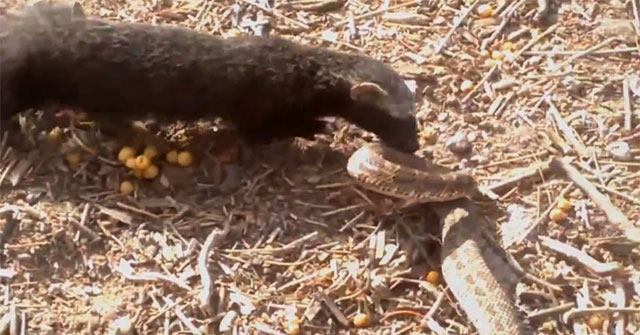
A Lancehead viper (Scientific name: Bothrops) - a venomous snake endemic to Central and South America - has been attacked by an enemy.
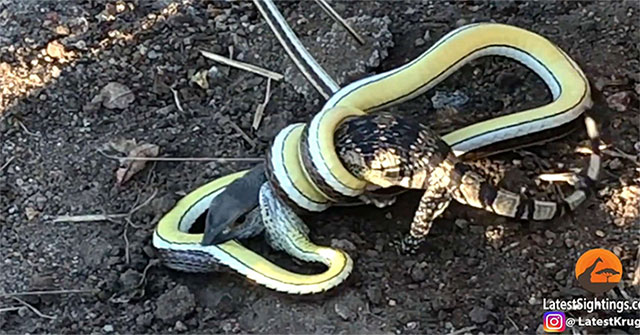
Both snakes and variators use their own attacks to hold on to their opponents, neither side is weak until the very end.
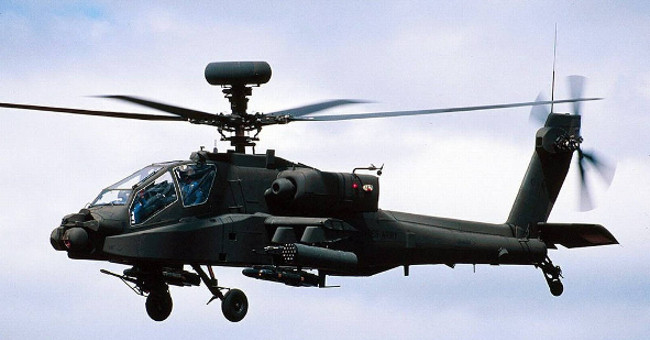
Here are 9 attack helicopters rated as the best in the world. People are still using and producing these machines.
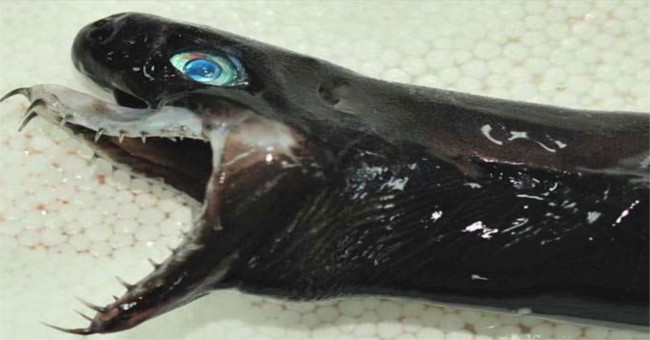
Of the 5 specimens collected at a depth of 350m, 4 died. The child is still soaked in cold sea water, but also dies one day.