Medicine - Health
Using smartphones in the dark may cause temporary blindness
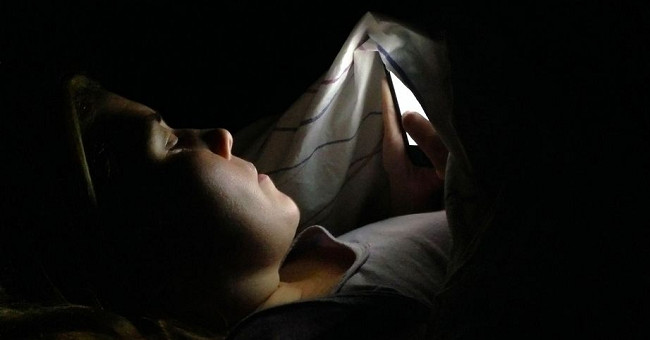
Scientists have warned that the use of smartphones in the dark can cause temporary blindness.
Browse ScienceInfo articles and explainers related to Vision.
302 published items.
Scientists have warned that the use of smartphones in the dark can cause temporary blindness.

No need for equipment, no need for money or time, short tests help you measure your liver and kidney health, vision and flexibility, according to Reader's digest.

Ultraviolet rays at very high levels in hot sunny days cause a lot of damage to the eyes, so they need to be carefully shielded when going out, while avoiding looking di…
Japanese scientists have just announced the successful transplants of human skin cells, opening hope for many blind people around the world.

Taking a few minutes a day to practice, relax your eyes is the best way to help protect the health of the soul window.
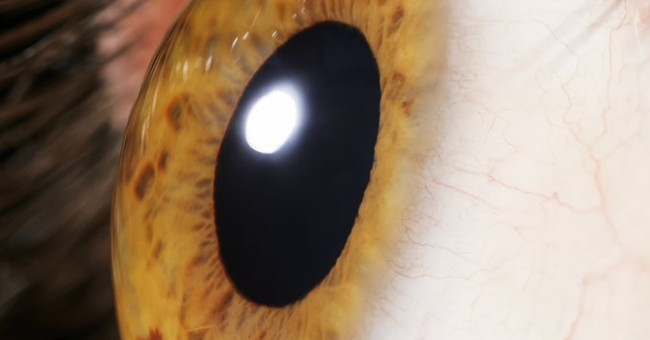
Viruses that are transplanted by algae will help blind people to be able to see.
Half the world's population is equivalent to about 5 billion people who will have nearsightedness by 2050 and the blindness rate of one-third of them will increase signi…
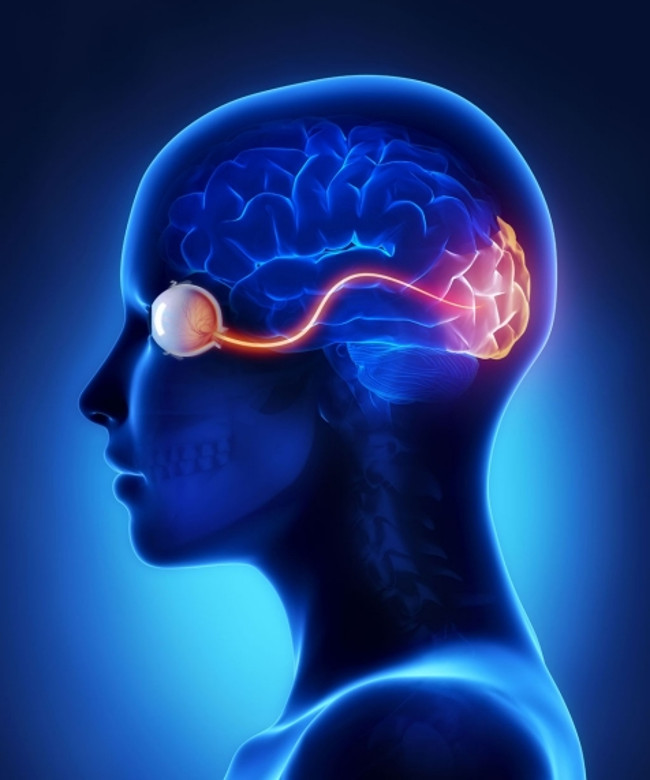
According to a team of researchers at the University of California, 3 mice were blinded, not to see how blind they moved to find ways to heal their eyesight by glaucoma.
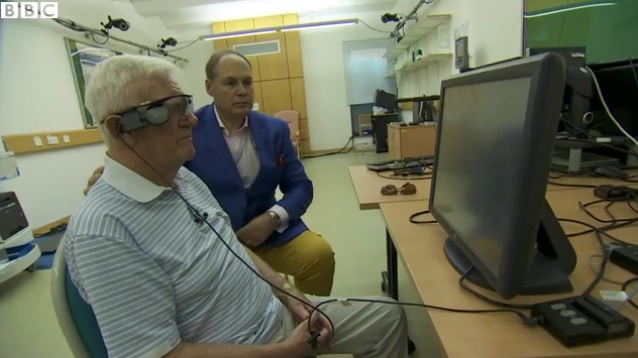
This is a new step in biomedical science when humans can successfully transplant their eyes for the first time in a patient with vision loss.

If you often feel eye strain, dizziness or even a headache because looking too much on the screen, it's time to remember 4

There are many reasons why your eyes are blurred, including worrisome reasons that can lead to permanent vision loss, such as diabetes.

How harmful is the digital screen to your eyes? The answer will be in the article below, invite readers to follow.

The study showed that, one year after cataract surgery, 17% of patients in Vietnam experienced less economic difficulties than before surgery.
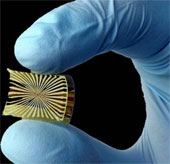
Physicists at Technische Universitat Munchen (TUM), Germany are using graphene to develop artificial retinas that can make optical prostheses to help blind people see th…