World Heritage
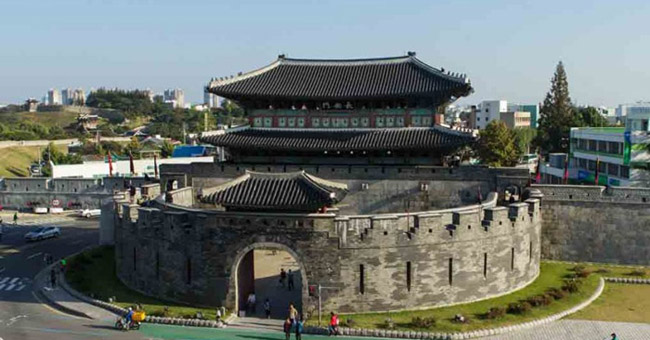
Hwaseong ancient citadel in Suwon
The United Nations Science, Education and Cultural Organization has recognized the Hwaseong Ancient Citadel in Suwon in Korea as a World Cultural Heritage in 1997.
Browse ScienceInfo articles and explainers related to Wall.
564 published items.
The United Nations Science, Education and Cultural Organization has recognized the Hwaseong Ancient Citadel in Suwon in Korea as a World Cultural Heritage in 1997.
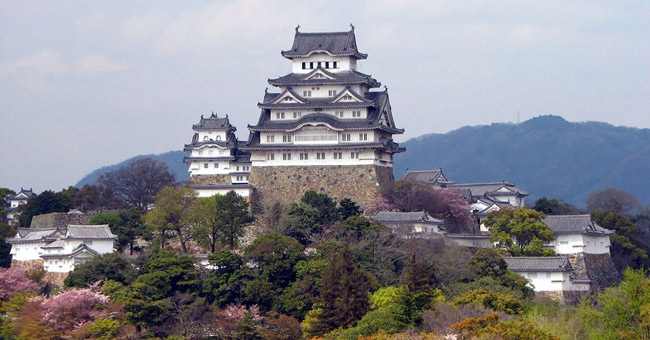
Unesco's Science, Education and Cultural Organization has recognized Japan's Himeji Castle as a World Cultural Heritage in 1993.
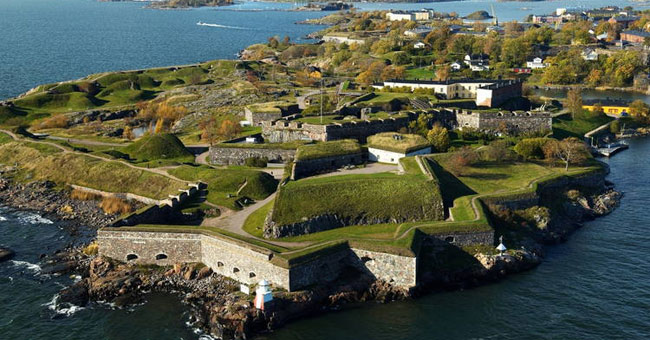
The Unesco Scientific, Educational and Cultural Organization has recognized Finland's Suomenlinna Fortress as a World Cultural Heritage in 1991.
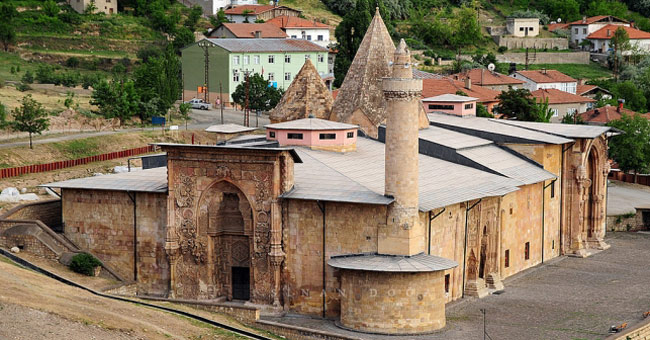
Unesco's Scientific, Educational and Cultural Organization has recognized the great mosque and Turkish Divrigi Hospital as a World Cultural Heritage in 1985.
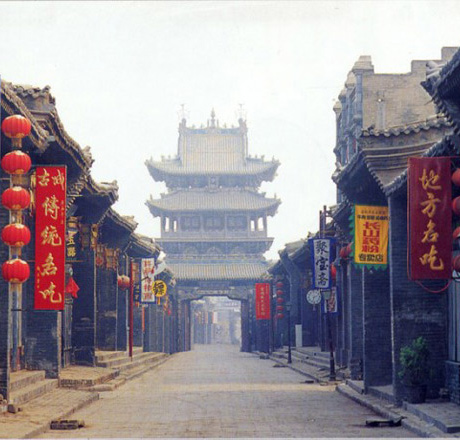
Unesco's Scientific, Educational and Cultural Organization has recognized the Ancient Citadel of Ping Dao as a World Cultural Heritage in 1997.
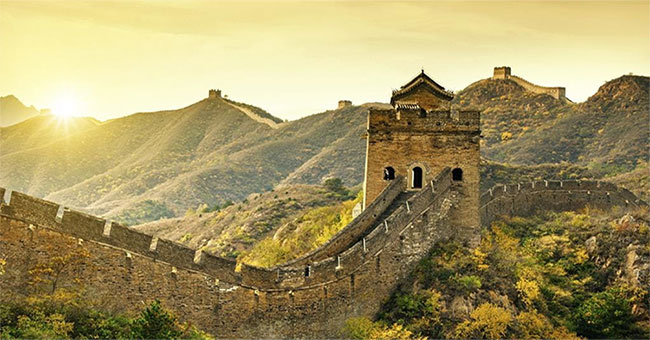
Unesco's Science, Education and Culture Organization has recognized China's Great Wall as a World Cultural Heritage in 1987.
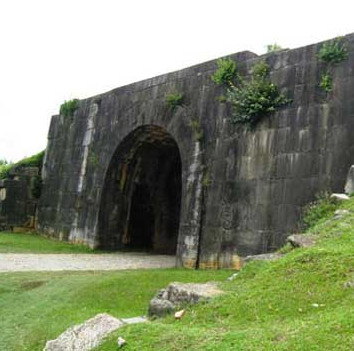
Nha Ho Citadel is located in the communes of Vinh Tien, Vinh Long, Vinh Quang, Vinh Yen, Vinh Phuc, Vinh Ninh, Vinh Khang, Vinh Thanh and Vinh Loc Town (Vinh Loc Distric…

An American family caught millions of sardines when they discovered coral reefs near the Philippine island of Pescador. The length of the fish up to 120 m.

For centuries these deadly waves are considered myths - towering water walls are the cause of the mysterious disappearance of ships. However, on the occasion of welcomin…
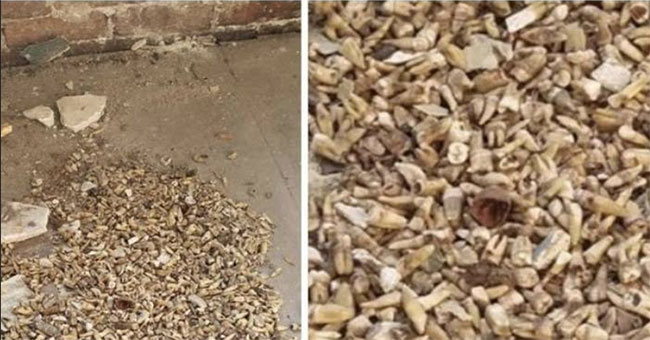
Ancient dentists may have placed new teeth in the alcove and considered it a quick way to dispose of them.

These pictures are carved on the walls of a large Roman reservoir, 12 meters deep. This site was discovered while preparing to build a new residential area in the city o…
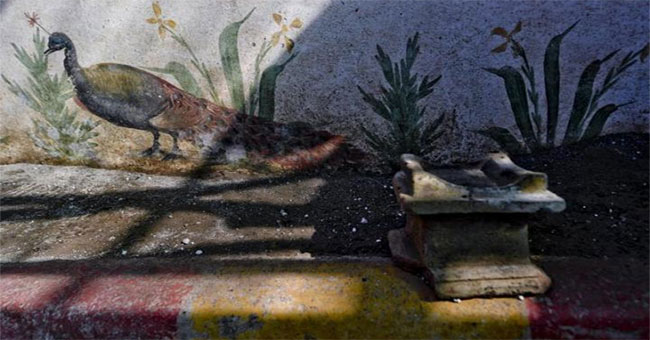
The ancient shrine remains the same throughout the 2,000 years found in the ruined city of Pompeii, Sun reported on October 12.
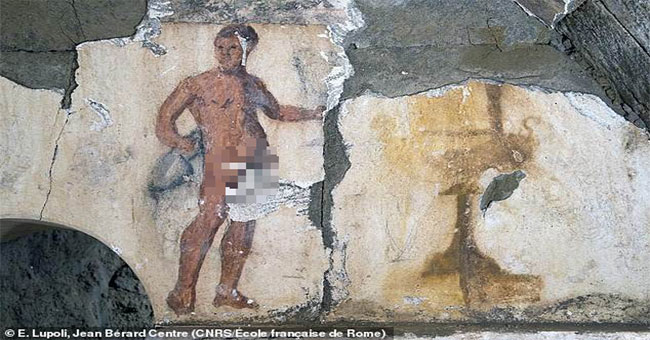
Archaeologists have recently unearthed a tomb
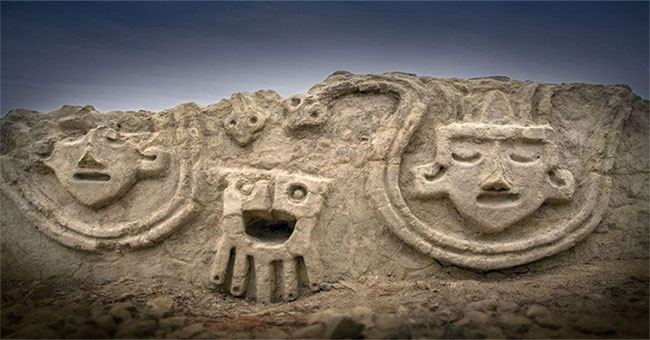
Reporter in South America quoted archaeologist Ruth Shady, who discovered the Caral civilization, said on the wall there are 4 human faces depicted with eyes closed.
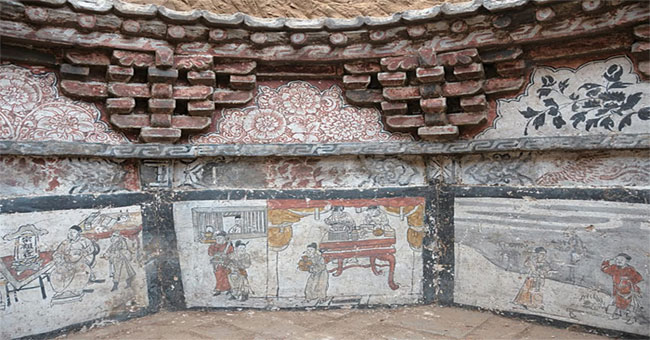
Archaeologists in Yangquan, China, discovered the octagonal tomb with a mural covered with frescoes dating back 700 years, when descendants of Genghis Khan ruled China.