Discover science
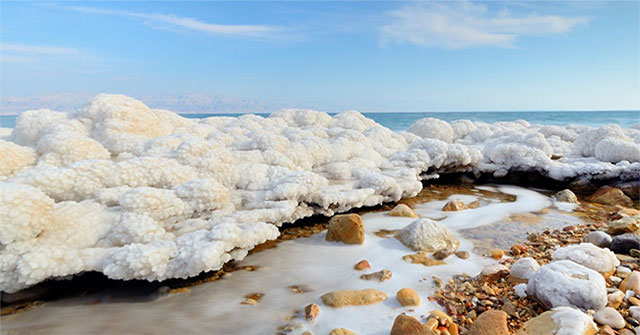
Decipher the mysterious 'warm snow' of the Dead Sea
A long-standing mystery beneath the Dead Sea is the presence of a strange kind of snow, much warmer than regular snow.
Browse ScienceInfo articles and explainers related to Warm.
997 published items.
A long-standing mystery beneath the Dead Sea is the presence of a strange kind of snow, much warmer than regular snow.
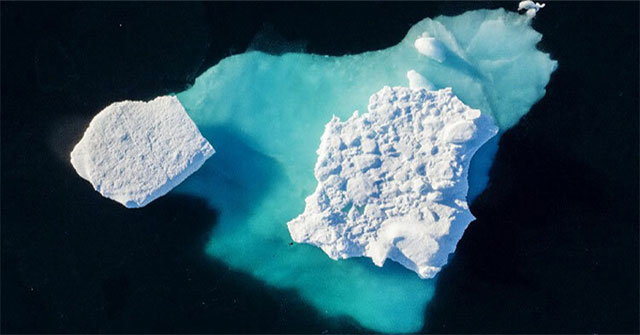
The discovery helps scientists better understand the mechanism of drainage under the ice layer, affecting the effects of global warming.
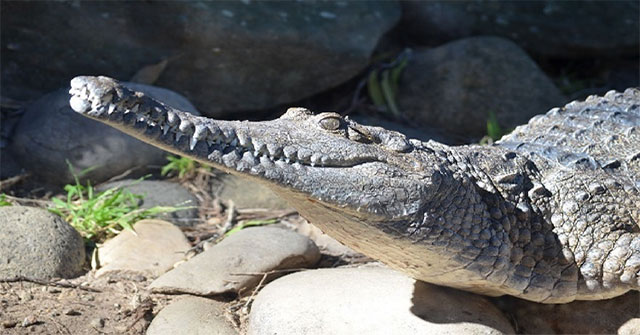
Crocodiles often migrate to warm waters in South Africa and North Africa to avoid the impact of a sharp drop in climate temperature in Europe.

The video spread quickly on the web posted by Twitter users keita_simpson, gaining nearly 9 million views.
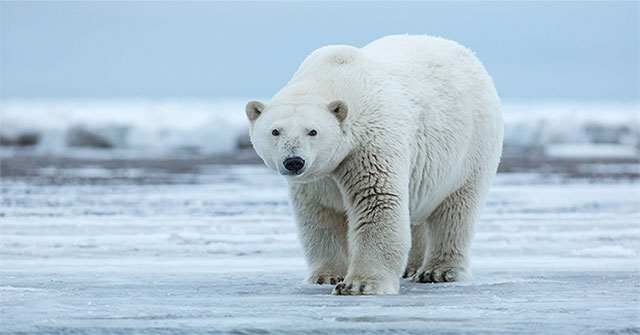
Thanks to the simulation and improvement of the polar bear's fur, scientists have successfully invented the world's best warming material.
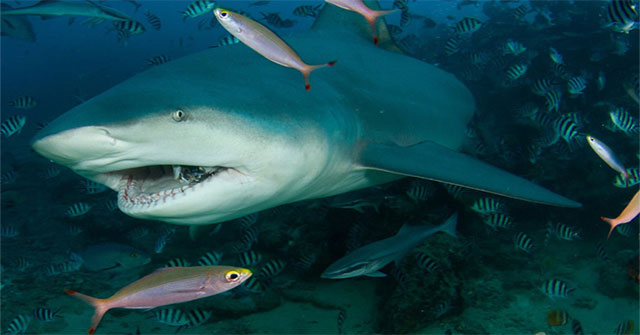
Sharks are always considered as assassins of the ocean. They topped the food chain, possessing the characteristics of a cold-blooded predator (like muscle, sharp teeth a…

Permanent permafrost in distant places in Canada's Arctic region is thawing 70 years earlier than expected.

A surprising possibility for carnivorous plants living in the North.
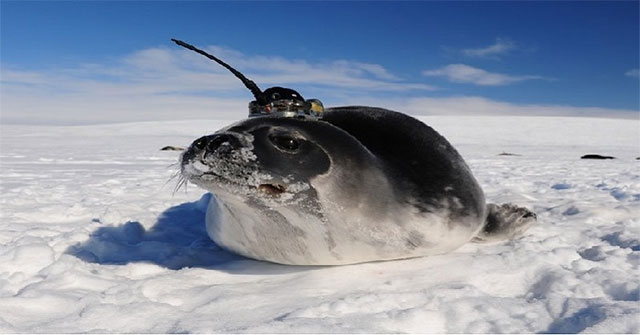
Conditions of erratic oceanic climate and a series of strong storms, salinity of sea water reaches the threshold ... causing the water surface to not freeze.
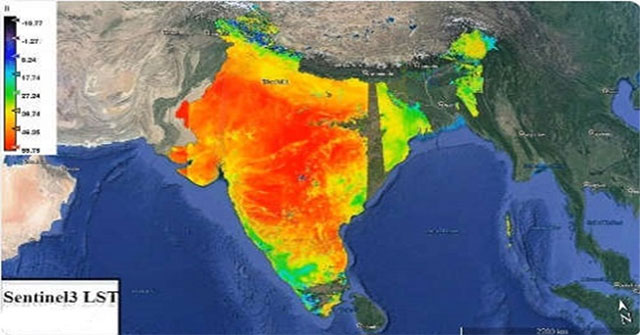
Many Indian cities reached record high temperatures from 48 to 50.3 degrees Celsius due to the effects of global warming and the late rainy season.

Ginger is known to have a warming effect in Traditional Chinese Medicine (TCM). Chinese researchers have found protein regulatory networks behind this effect.
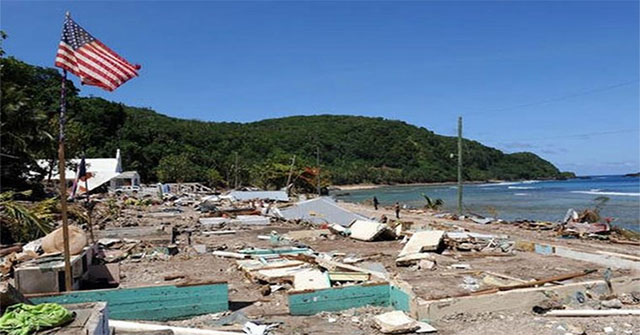
A study by Australian scientists published on June 3 showed that large earthquakes also caused sea levels to rise in the oceans.

According to a new study published, scientists believe that the ancient Romans had the effects of climate change from thousands of years ago.
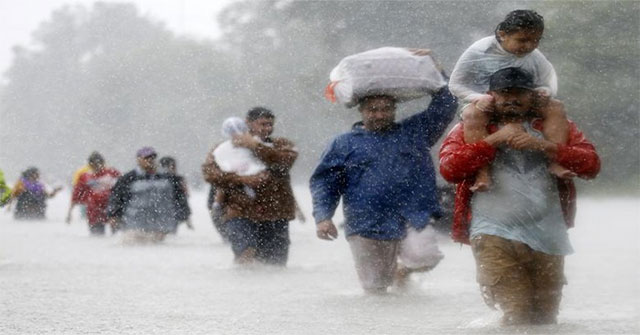
Playing music on Internet-connected devices substantially increased carbon footprint.
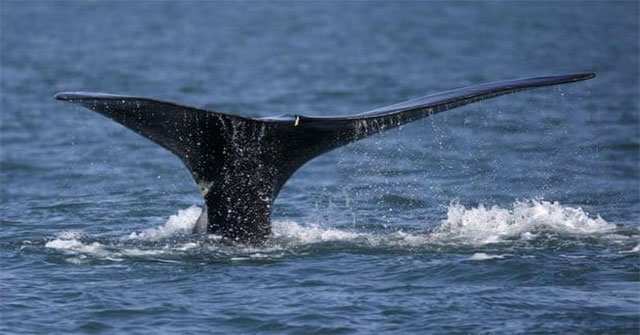
As the ocean warms, the supply of food is scarce, the North Atlantic whale is facing the risk of rapid decline in the number of individuals and even extinction.