Environment
COP 25: Climate crisis culminates
The 25th United Nations Conference on Climate Change (COP25) took place in Madrid from December 2 to 13, 2019, in the context of the world witnessing the terrible effect…
Browse ScienceInfo articles and explainers related to Warm.
997 published items.
The 25th United Nations Conference on Climate Change (COP25) took place in Madrid from December 2 to 13, 2019, in the context of the world witnessing the terrible effect…

Scientists have discovered a stunning collection of fossil feathers revealing how some dinosaurs kept warm during the ancient Gondwana supercontinent in the southern hem…
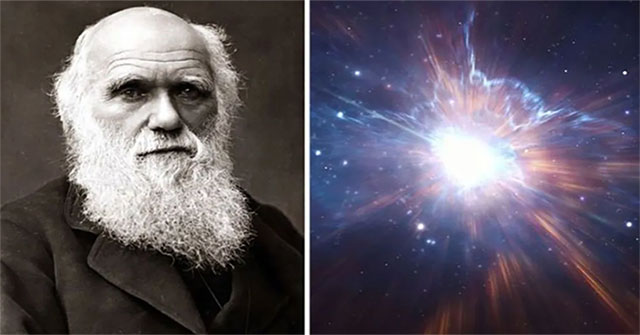
According to the theory of scientist Charles Darwin, life can be formed in a 'warm lake' filled with salt, light, temperature ... But this hypothesis may not be accurate.

Over millions of years of Earth's formation and development, insects have invaded and existed everywhere. They gradually evolved with their hard shells and bones to prot…
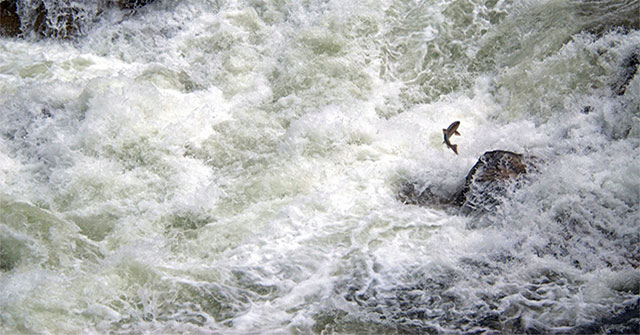
The continuous flow of warm water, combined with the impact of hydroelectric dams, has led to a sharp decline in the size of the largest Pacific salmon species and the r…
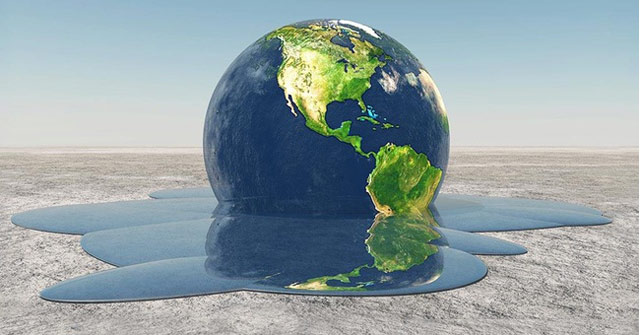
Summary of UN Special Report on Climate Change: Those who live in the 21st century must read it

The fact that humans become cold-blooded animals (heat changes) similar to frogs and snakes will make a big breakthrough for the era of space conquest. Besides, each of…
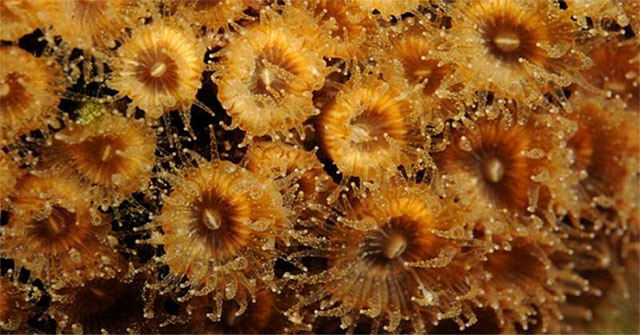
Dead corals have recovered, opening a glimmer of hope for marine species threatened by climate change in this world.
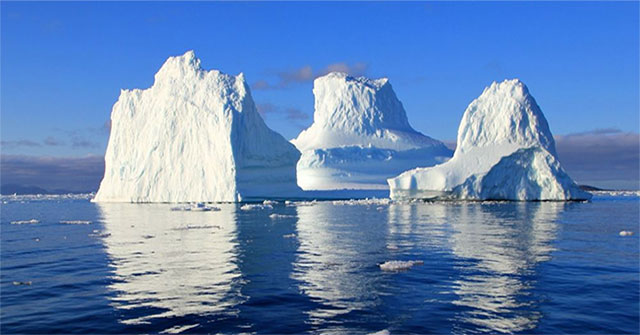
Scientists believe that by 2100, the worst-case sea level could rise by 1 meter.

Even if you like winter, you have to admit that it comes with a lot of discomfort. As temperatures drop, the risk of various health problems increases.
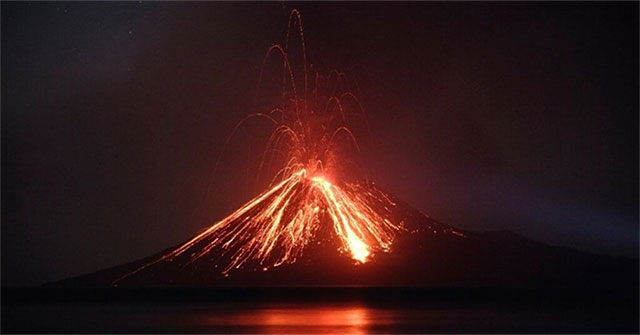
Every year, human activity releases carbon, which causes the climate to warm up, 100 times more than when all the volcanoes on Earth were active, a decades-long study pu…
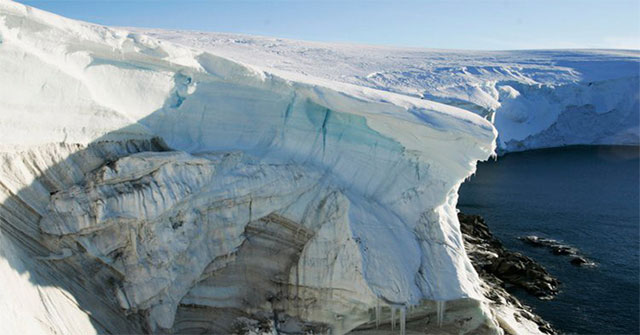
Sea level is likely to rise more than 0.9m in the next 80 years. Most reefs in warm water areas will die.
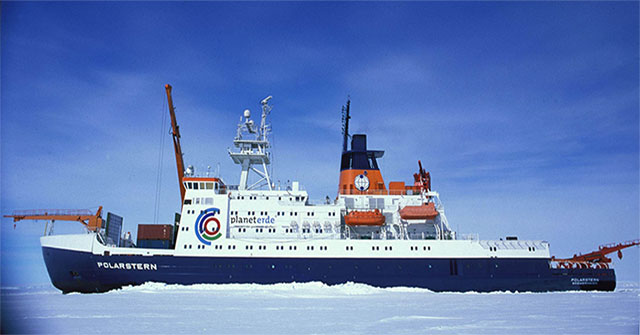
About 100 scientists will stay in the North Pole for nearly a year to conduct in-depth research on global warming and climate change.
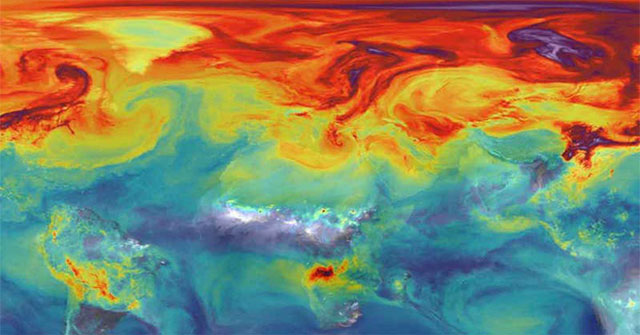
Occupying a small percentage, but the impact of CO2 is extremely large. But alas, luckily, it's smaller. Because if the CO2 ratio is large, it will be a disaster.