
Environment
Russian scientists find method to monitor water pollution in real time
A new method of monitoring water pollution detects harmful substances in water without requiring experts to take additional samples.
Browse ScienceInfo articles and explainers related to Wastewater.
92 published items.
A new method of monitoring water pollution detects harmful substances in water without requiring experts to take additional samples.

Singapore, a country with no natural freshwater resources, has succeeded in water management by developing four pillars of water supply and advanced desalination technol…
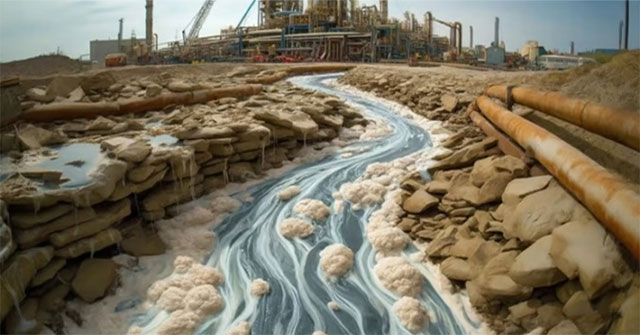
A new source of lithium that could meet 40% of US demand was discovered in wastewater from hydraulic fracturing gas extraction.

The 15km underground sewer line of the Yen Xa Wastewater Treatment Plant project has been completed, preparing to rescue the polluted To Lich river.
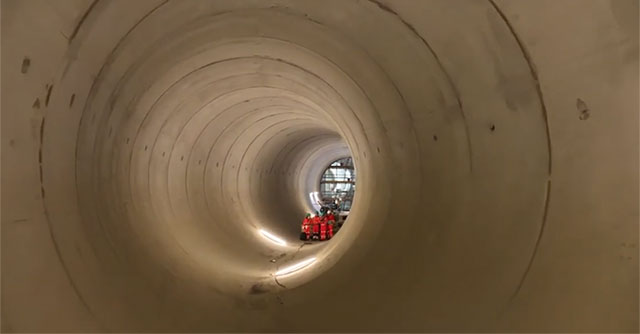
A massive concrete pipeline with a capacity of 1.6 million cubic meters is being built under London to reduce the frequency of wastewater discharges into the River Thame…
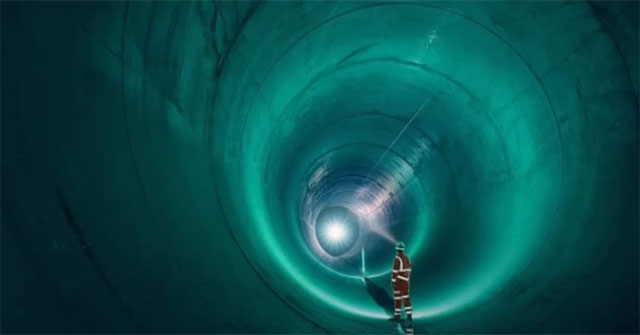
After 8 years of construction, the super sewer that can hold as much water as 600 Olympic swimming pools under London has been completed and will operate on a trial basi…

Humans are in an ironic situation, a treasure trove of rare elements is spilled out along with water considered too polluted and expensive to clean.
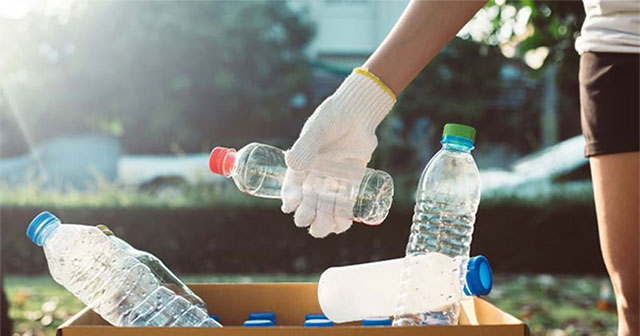
Seeing waste as a resource is trending in many countries around the world. Accordingly, waste can completely become a source of benefits for life.
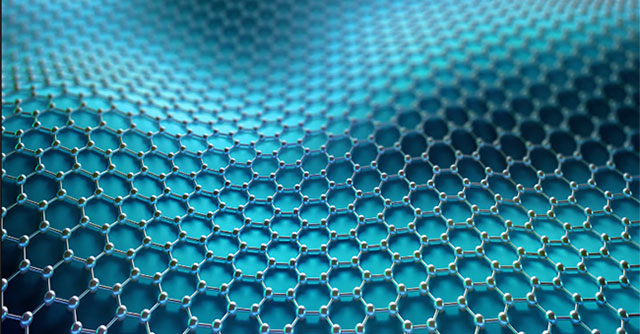
Engineers at the University of Vienna have developed a new composite material that creates an effective filter for removing organic pollutants from water.

Let's find out: 'What is groundwater? Factors causing groundwater pollution and degradation' through the following article.
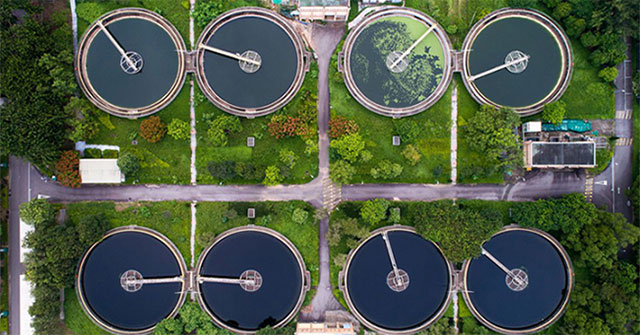
Researchers at Stanford University are developing an anaerobic wastewater treatment process to create clean water and a valuable resource.
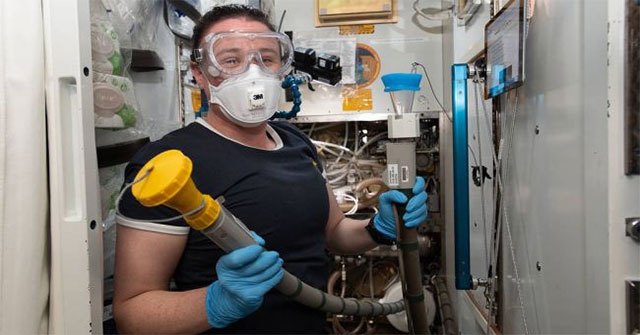
This is a new achievement for the space exploration industry when it is possible to reuse wastewater and prevent bacteria from spreading out in space.
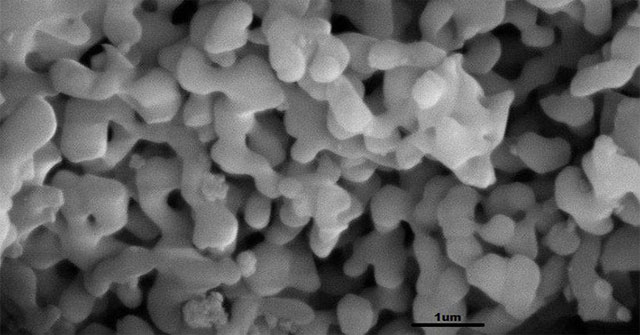
A study by students of the University of Natural Sciences found that antibiotic adsorbent in wastewater is nearly 98% and can be reused.
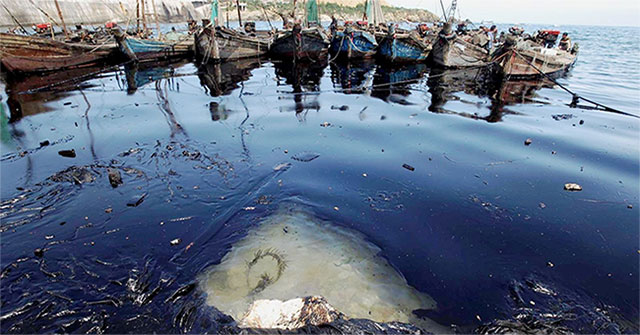
China has developed a new biological polypropylene foam that makes oil and water separation more effective, which can be used to prevent and control oil pollution.

Making benign raw waste harmful to the environment has long been a familiar work of Associate Professor Dong Kim Loan.