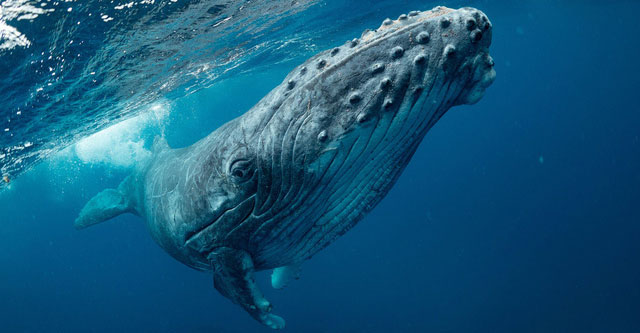
Oceanography
Humpback whales know how to 'learn' complex songs from different regions
Researchers at the University of Queensland (Australia) believe that whales have the ability to learn complex songs from different regions.
Browse ScienceInfo articles and explainers related to Whale.
652 published items.
Researchers at the University of Queensland (Australia) believe that whales have the ability to learn complex songs from different regions.
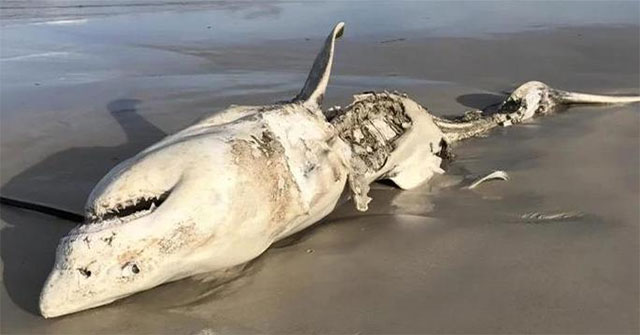
A horror-like phenomenon is taking place off the coast of San Francisco: A series of monsters older than dinosaurs wash up on the beach with their livers gone.
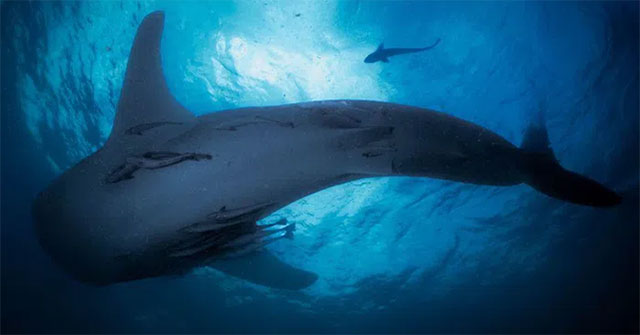
In the remote area of Triton Bay (West Papua, Indonesia), a special bond between humans and sharks has been built.
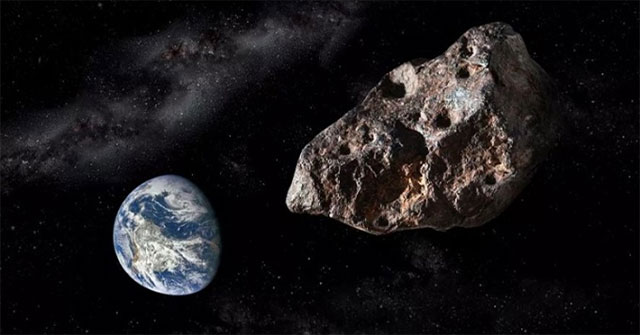
An asteroid at least the size of a blue whale will pass by Earth at more than 26,000 km/h, according to NASA.
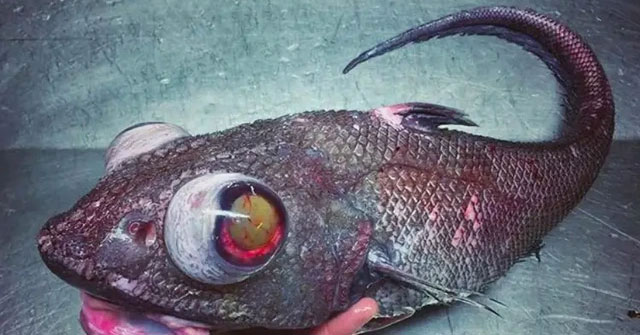
Why are some creatures able to survive thousands of meters deep, where there is terrible water pressure and extremely harsh habitats?
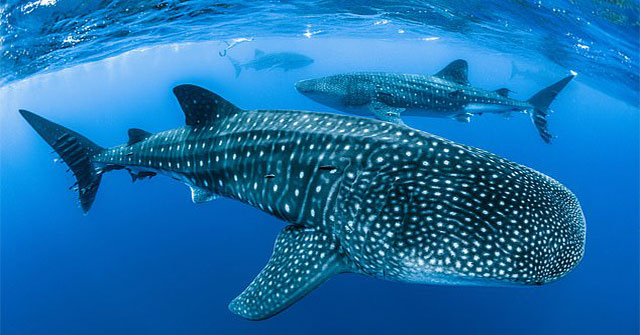
These traffic accidents have decimated the world's whale shark population by as much as half in the past 75 years.

Looks like a creature from the alien monster movies, but in fact the strange creature you see is conchoderma auritum - rabbit ears. This is a species of the upper mandib…

Scientists have discovered never before described vocalizations in humpback whales, revealing their complex communication behaviour.
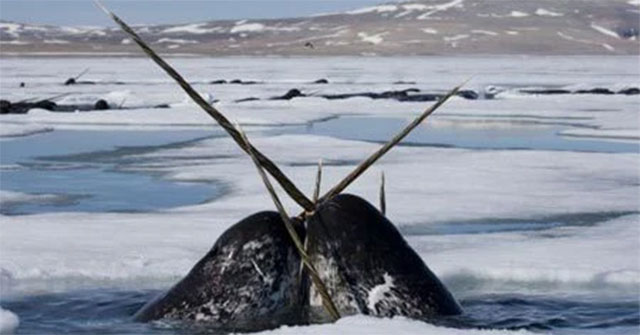
The narwhal is a medium-sized marine animal of the suborder toothed whales. What makes this animal most noticeable is the distinctive long horn on its head.
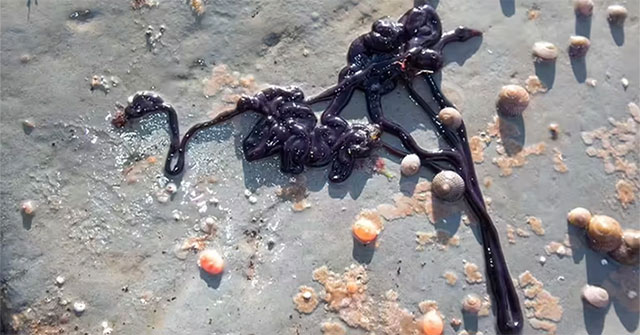
The bootlace worm is one of the longest animals on Earth. Once, they were found on the beach with a length of up to 55 meters.
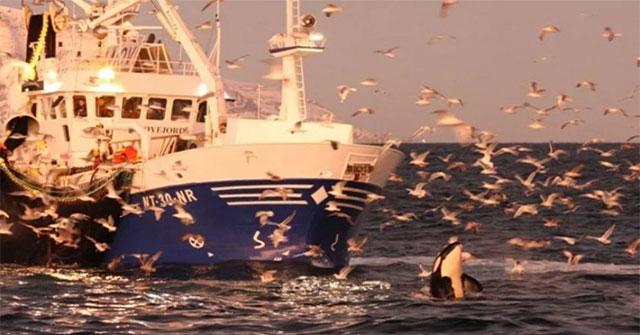
Scientists have discovered that killer whales begin to eat fish from fishermen's lines and nets as an easy source of food.
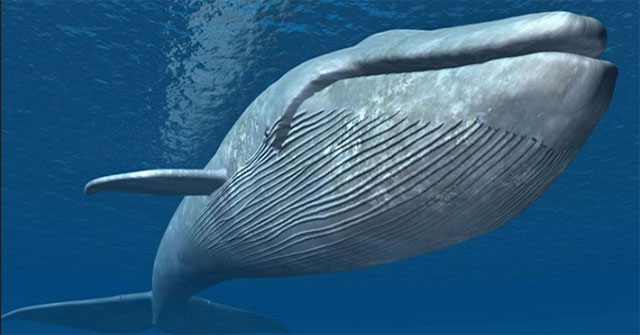
Researchers have discovered a 'stopper' in the throats of some whale species that helps seal off their airways or esophagus when needed, preventing them from drowning.
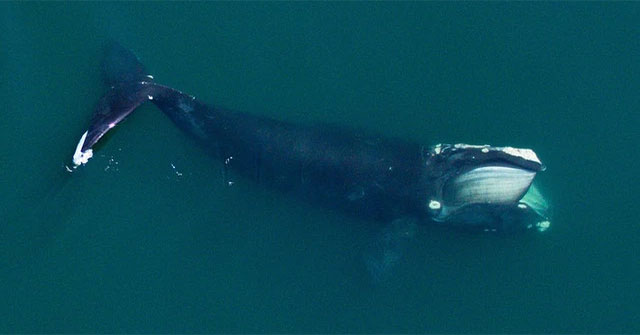
To get a large amount of whale droppings, we need to have... a lot of whales first.
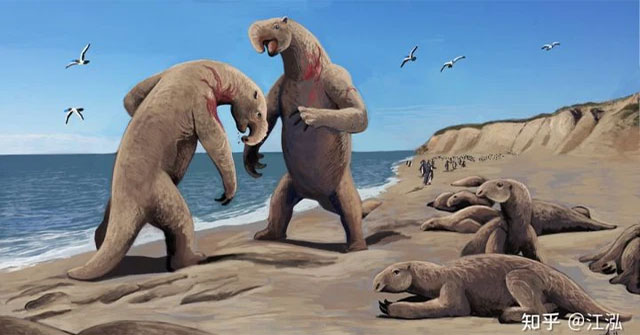
They are large mammals, appearing 7 million years ago, but after 4 million years, they completely disappeared because of changes in the environment.
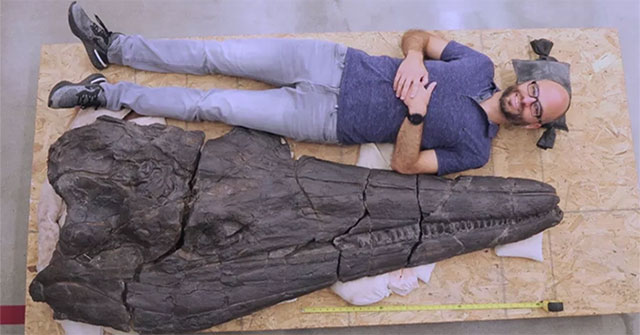
An unbelievably large early dinosaur sea monster has revealed evolutionary secrets.