Oceanography
5m great white shark grabs the head of a stranded sperm whale
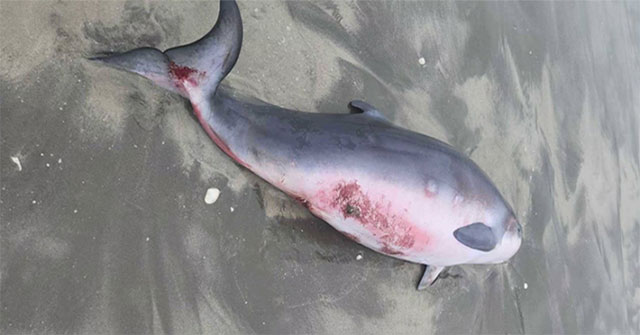
A shark kills a mother pygmy sperm whale stranded in Māhia Bay, leaving the calf alone on the beach.
Browse ScienceInfo articles and explainers related to Whale.
652 published items.
A shark kills a mother pygmy sperm whale stranded in Māhia Bay, leaving the calf alone on the beach.
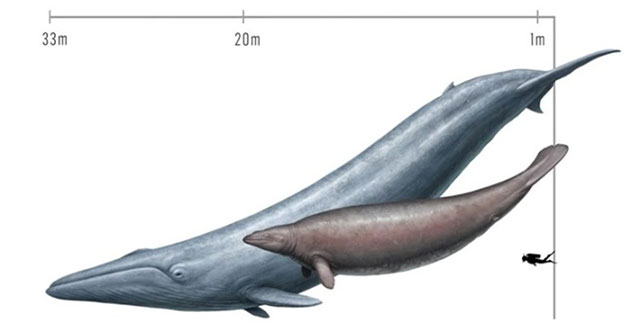
New research results show that the ancient whale Perucetus was very large but still inferior to today's blue whales.
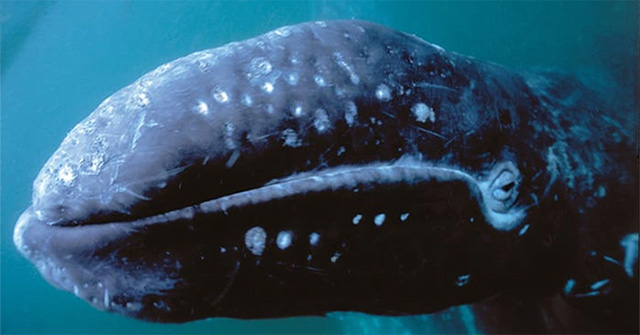
For the first time in 200 years, a gray whale has been sighted in the Atlantic Ocean. Scientists warn that this is a bad omen for the Earth.
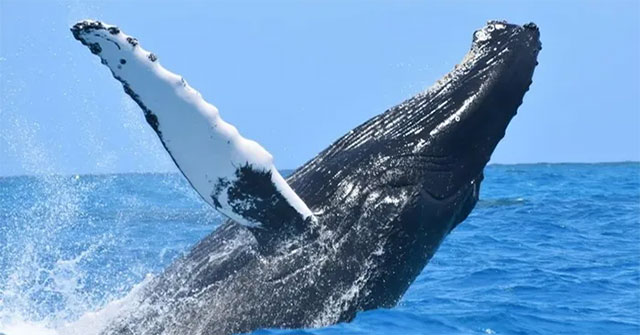
The number of humpback whales in the North Pacific has plummeted 20% in less than a decade. According to researchers, the cause may come from a heat wave at sea.
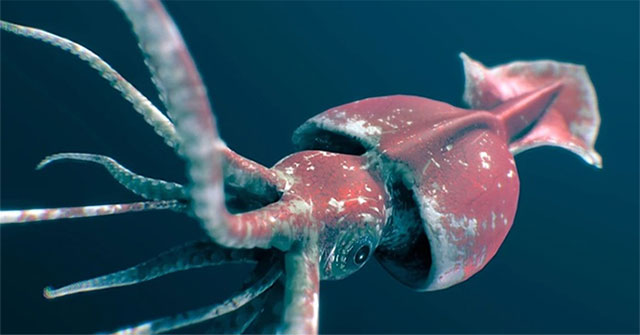
Because they live at depths of thousands of meters and rarely surface, the behavior and reproduction of the Antarctic giant squid is still a big mystery to researchers.
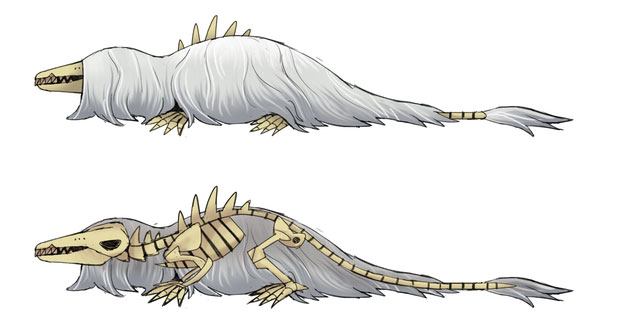
It was the rotting corpse of a giant sea creature, the smell was terrible.
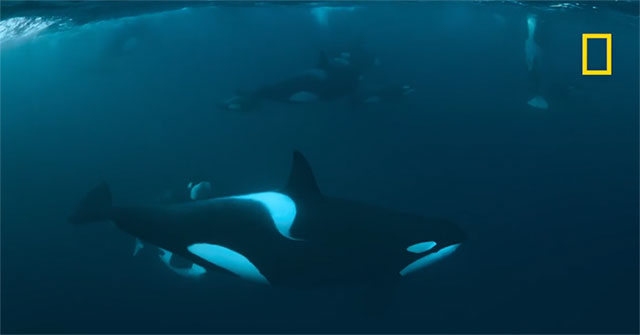
The extremely rare moment when a killer whale and his son both drowned another calf of a neighboring herd was recorded for the first time by a National Geographic film c…
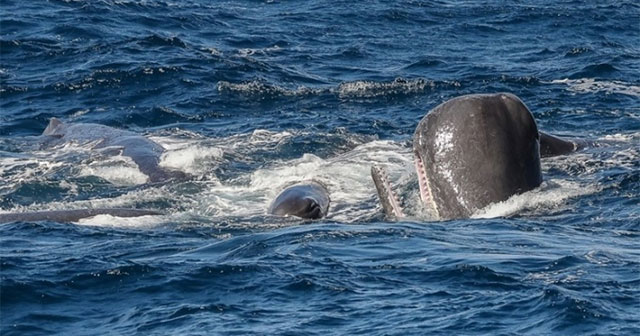
Sperm whales off the coast of Australia use a rare defense mechanism to force attacking killer whales to retreat.
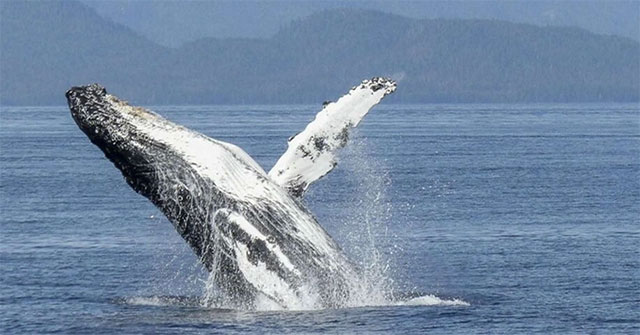
Humpback whales share songs with each other during migration. This is one of the amazing finds that scientists have just discovered.
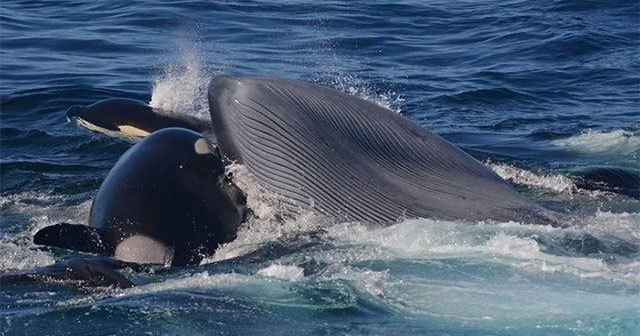
The humpback whale protects seals, moonfish, and many other species from the ocean 'god' and its relative: the killer whale .
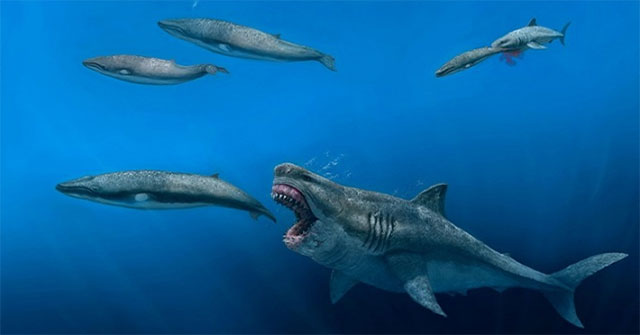
New 3D models of megalodon sharks reveal they could eat prey up to 8 meters long like modern killer whales.
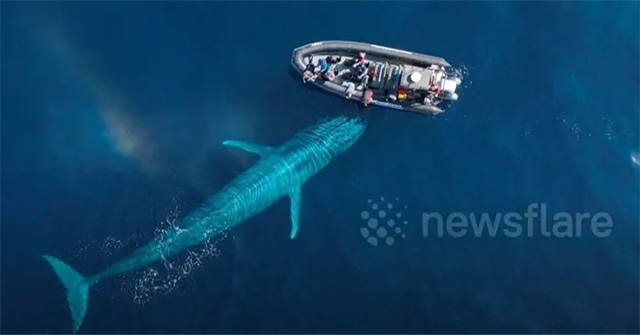
The sight of a nearly 30-meter-long blue whale swimming right next to the tourists' boat in the middle of the ocean made many viewers have a mixture of heartache and exc…
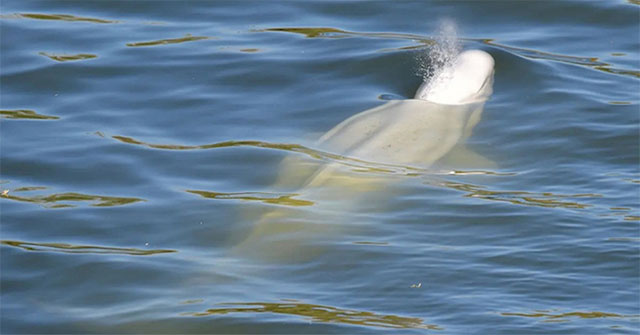
The white whale, which normally lives in the frigid waters around the Arctic, swam into the Seine last week and is unlikely to return to the sea.

Female killer whales live more than 80 years - much longer than male killer whales, and there's a special reason for that.
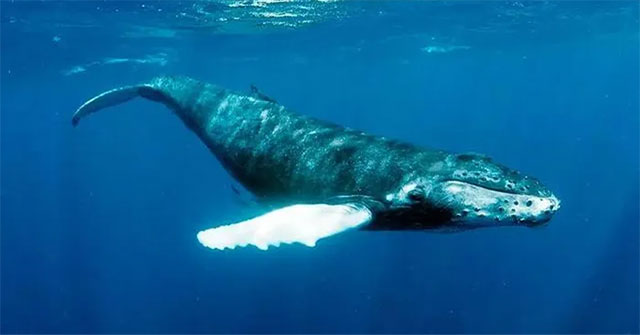
The researchers are looking at using fiber optic cables for additional testing.