Videos
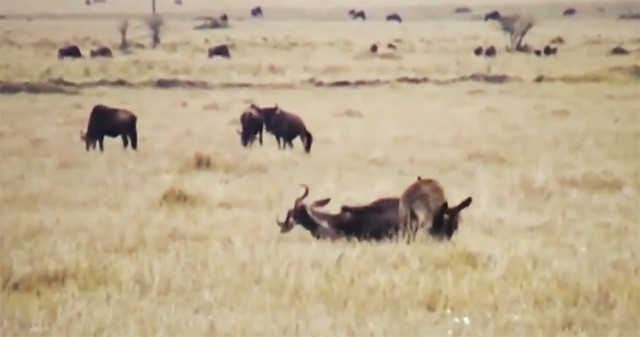
Video: Antelope is persistently stalked by 'crazy hungry' hyenas, what will be the end?
What will be the outcome of this one-on-one battle?
Browse ScienceInfo articles and explainers related to Wildlife.
416 published items.
What will be the outcome of this one-on-one battle?
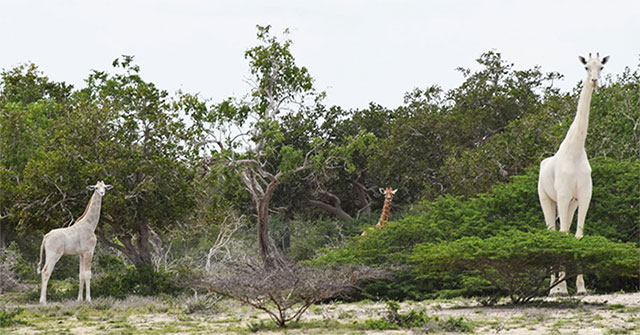
The Kenya Wildlife Service has discovered a rare white-giraffe in a privately owned reserve in Garissa County.
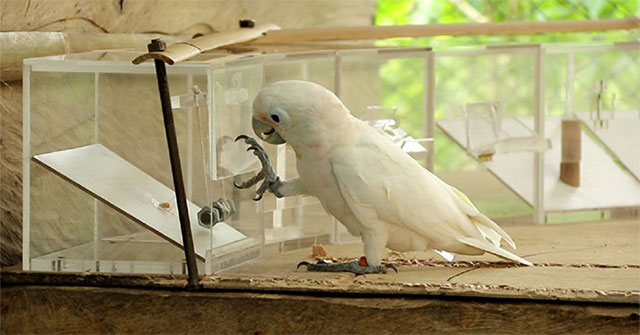
Recent research shows that animals will be smarter when staying with humans for longer. Not only that, they often come up with many creative ideas.

Urbanization, poaching and animal markets all facilitate the transmission of the virus to humans.

A new way of monitoring wildlife can be an effective tool to prevent future diseases - starting with the operation of leeches to draw blood.
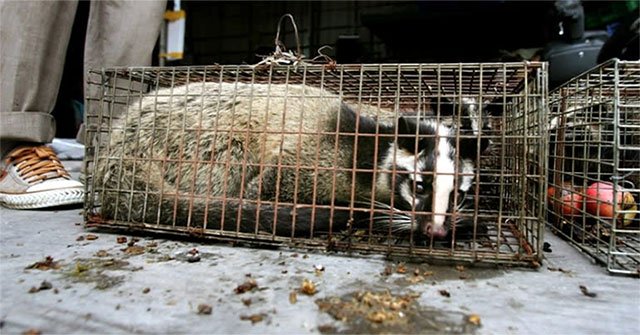
The belief in miraculous use for health, social fame, causing Chinese people to continue the habit of eating wildlife is being criticized as bringing the risk of infecti…

The world is struggling with a new strain of corona virus, thought to come from wildlife. Before that, many diseases also originated from animals.
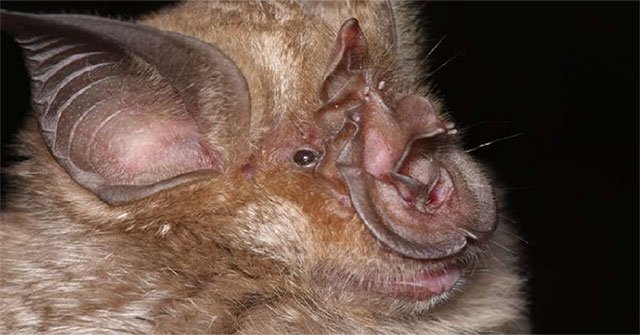
Studying Rhinolophus bats, experts found 500 types of corona virus, supplementing evidence of intermediaries infecting humans.
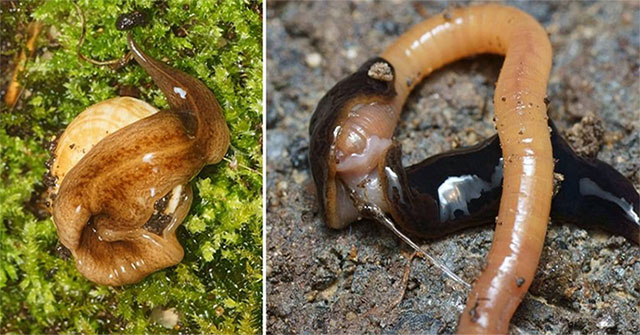
The proliferation of an alien worm of Argentine origin threatens the native wildlife of Europe.

The survival of the pathogen depends on the infection of the new host. While the new host's immune system tries to kill the pathogen, the pathogen will also

Before closing, the seafood market in Wuhan was filled with wildlife such as snakes, civets, bats, and intermediate hosts of the corona virus.

A fisherman caught a grouper weighing 159kg and was determined to be about 50 years old in southwest Florida, USA. This is the oldest fish ever caught here.

About 1,400 homes in the state of New South Wales were burned down during the wildfire crisis
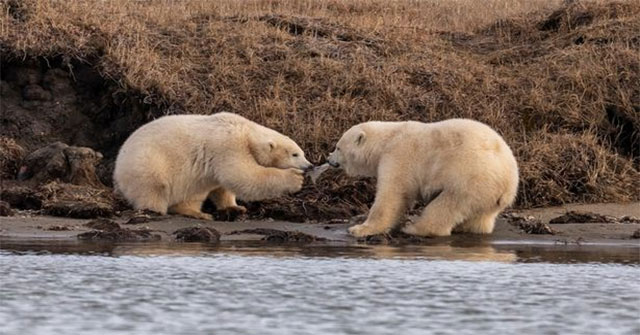
The heartbreaking image of young polar bears scrambling for plastic containers shows the dreadful human impact on the environment.

Each year, about 400,000 coyote wolves are killed, but they are still growing and are now present in 49/50 states of the United States, even moving toward South America.