
Discover science
Why do some cars not have windshields?
Cars without windshields will have an advantage in controlling airflow using aerodynamic principles. However, these cars are not suitable for everyday use.
Browse ScienceInfo articles and explainers related to Wind.
1,171 published items.
Cars without windshields will have an advantage in controlling airflow using aerodynamic principles. However, these cars are not suitable for everyday use.

The effects of ocean warming are profound and well documented. But sometimes changes in wind patterns and ocean currents have counterintuitive consequences.
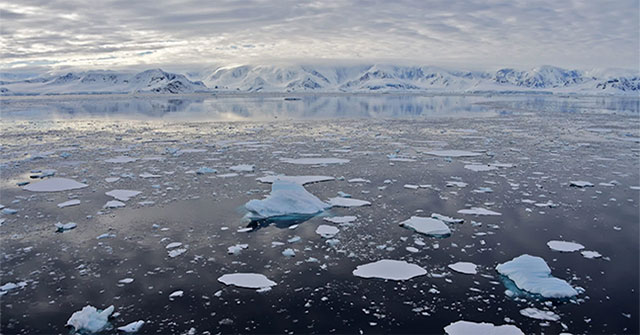
A new study published in the journal Nature Communications found that ocean currents moving in winding patterns play a large role in the melting of ice shelves in Antarc…
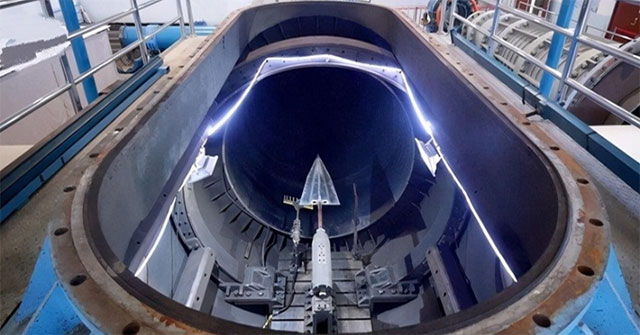
Wind tunnels have become a mainstay in the aerospace industry, helping to test the aerodynamics of countless aircraft and rockets.
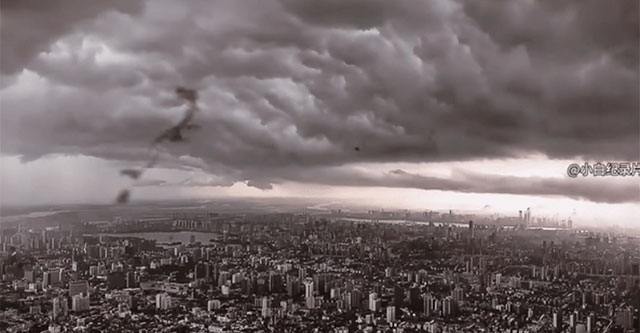
Severe weather in the Nanchang region (China) has killed 7 people and affected the lives of more than 313,000 people.
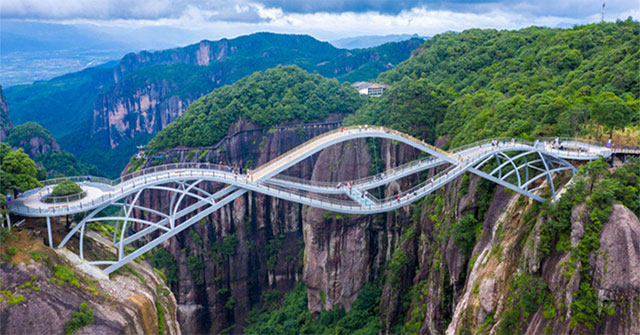
The entire structure is made up of three interwoven wavy spheres and makes visitors feel like they are walking among a rainbow in the sky.
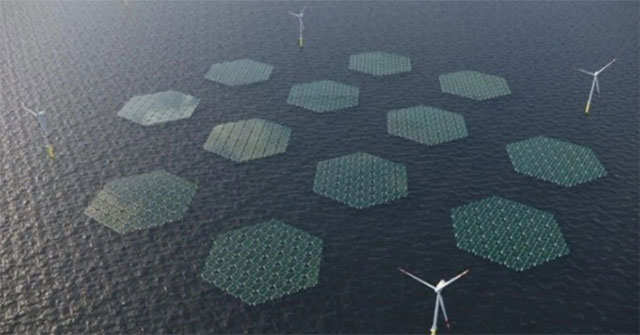
Dutch company Solar Duck is preparing to build the world's largest floating solar power plant with a capacity of 5 MW.
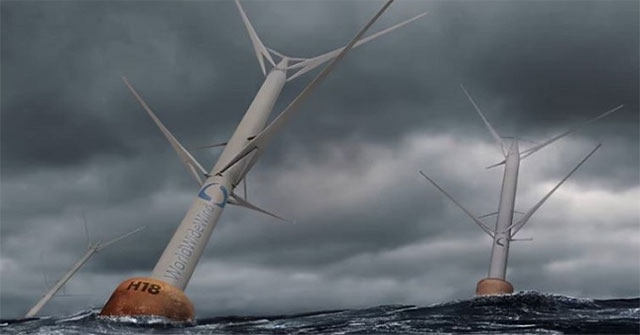
World Wide Wind Company developed a model of a vertical axis floating wind turbine with blades that rotate against each other and tilt with the wind, helping to increase…

These are locations with frequent gusts of wind and the highest wind speeds ever recorded.
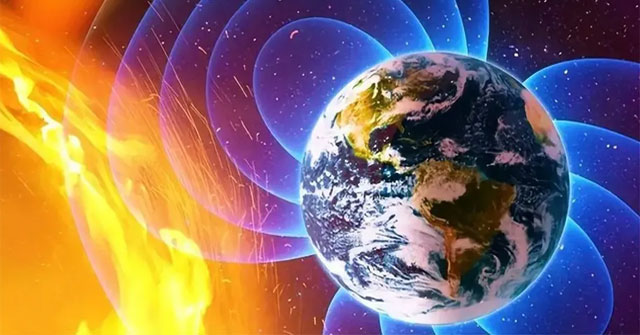
Earth's magnetic field is an indispensable protective layer for life on Earth, but in recent years European scientists have been monitoring and realizing its strength is…
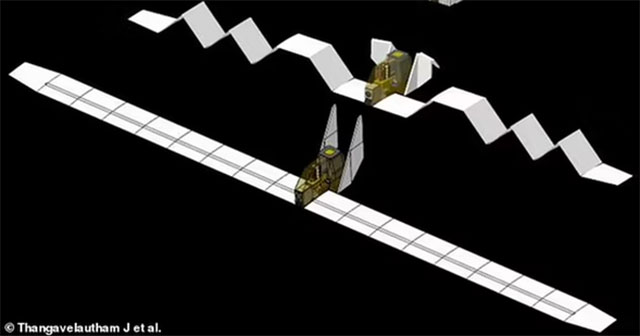
With a wingspan of 3.35 meters, this glider can operate continuously for days on the Red Planet.

Singing sand - the area of sand that naturally makes sounds when the wind blows - reflects the unique beach quality of Hainan Island.
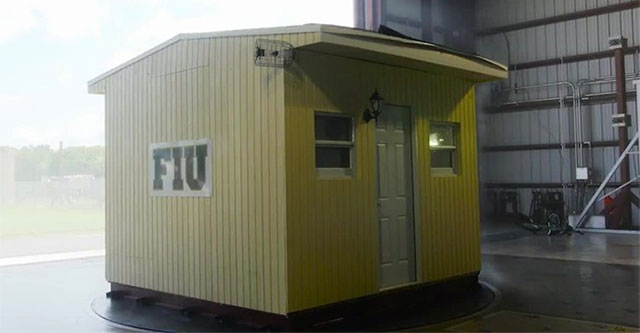
The 'Wall of Wind' at Florida International University helps engineers test the strength of a building against winds of up to 257 km/h.

Strong winds carry large amounts of sand and dust into the atmosphere, which can then travel hundreds or even thousands of kilometers.
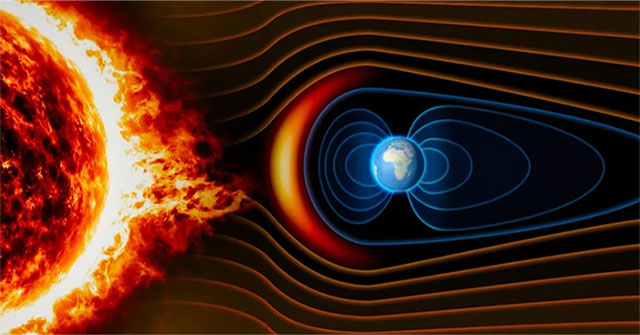
The researchers think that the solar wind produces water vapor on the asteroids. When they collide with the Earth, they provide a large amount of water.