
Environment
Pollutant emissions increased record high
In 2013, atmospheric carbon dioxide emissions increased at the highest level in nearly 30 years, according to the World Meteorological Organization (WMO).
Browse ScienceInfo articles and explainers related to Wmo.
45 published items.
In 2013, atmospheric carbon dioxide emissions increased at the highest level in nearly 30 years, according to the World Meteorological Organization (WMO).
On September 11, the United Nations (UN) published a study showing that the ozone layer protects the Earth from the effects of ultraviolet rays recovering after years of…
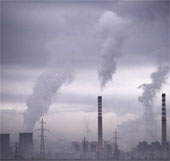
On May 26, the World Meteorological Agency (WMO) announced that the concentration of CO2 in the atmosphere has exceeded the new threshold.
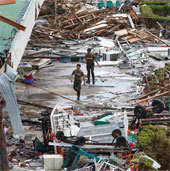
On November 13, the United Nations World Meteorological Organization (WMO) published a report confirming that in 2013, the global sea level rose to a record high.
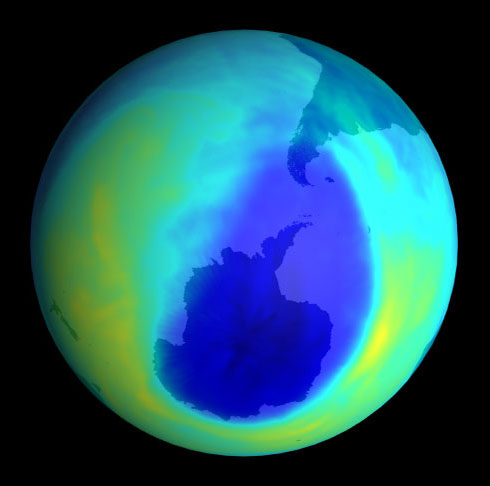
Xinhua quoted Geir Braathen, a WMO expert, saying that in the past decade, the stratospheric ozone layer in the Arctic and Antarctic regions as well as globally has not…
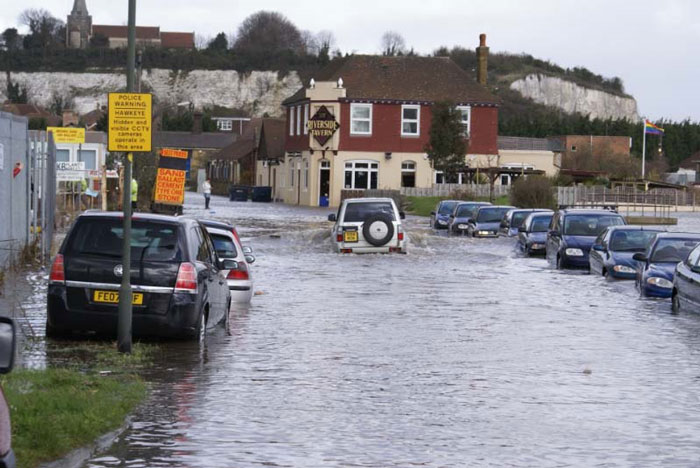
On January 11, the World Meteorological Organization (WMO) and the Australian Bureau of Meteorology (ABM) evaluated the weather phenomenon La Nina in 2011-2012, culminat…

WMO's African program will enhance meteorological and hydrological services in African countries to reduce the risk of droughts, floods and other extreme weather events.
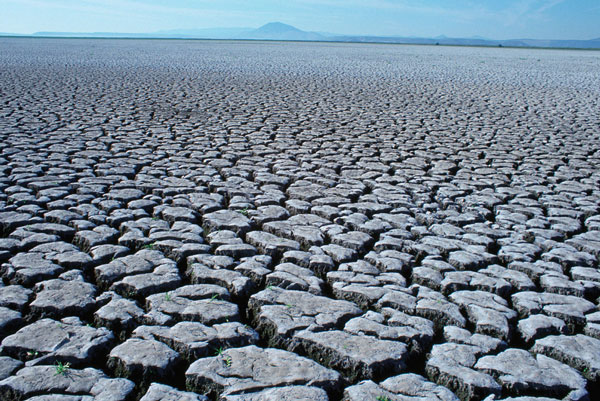
The World Meteorological Organization (WMO) announced that this year was one of the ten hottest years since 1850.

The phenomenon of La Nina has returned in August, possibly going on in the last months of this year and lasting until early next year, World Meteorological Organization…
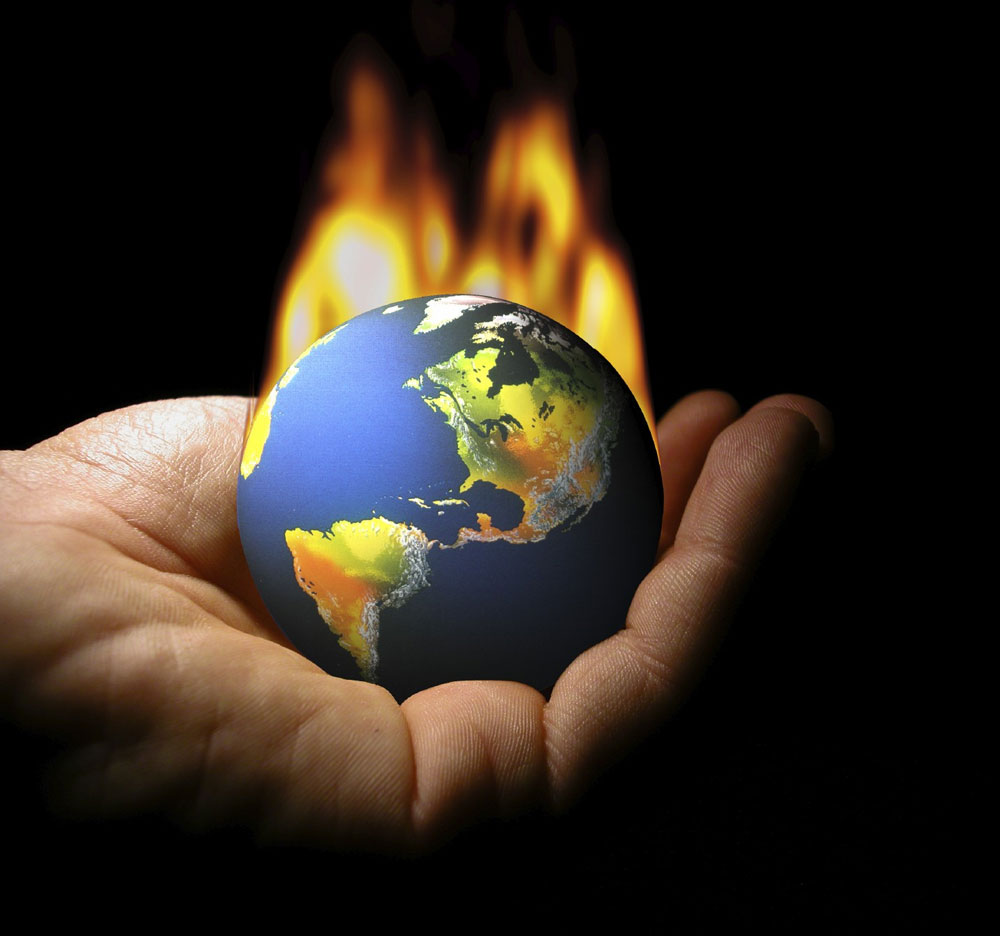
The World Meteorological Organization (WMO) announced that greenhouse gas emissions had risen to the highest level in 2010 since pre-industrial times.
On May 23, the World Meteorological Organization (WMO) said La Nina's weather phenomenon caused heavy rain and storms in many areas and droughts in many parts of the wor…

The World Meteorological Organization (WMO) is committed to playing a world leadership role in training professional skills and strengthening international cooperation i…
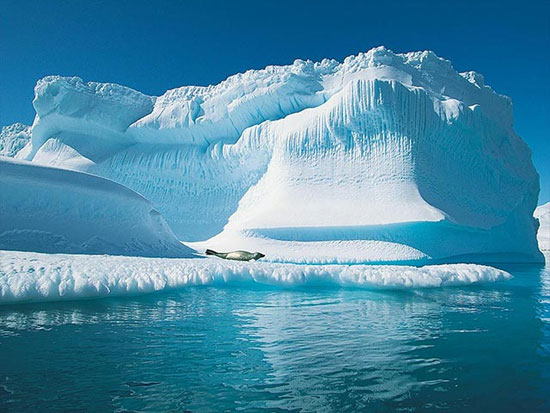
Ice and snow on the two poles of the Earth have dramatically reduced human, animal and plant life as well as the circulation cycles of the atmosphere and oceans.
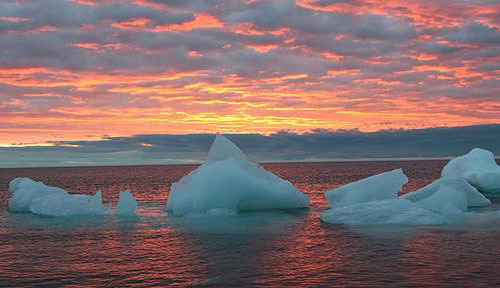
According to a recent forecast by some scientists, after 5 years the Arctic will have melted ice phenomenon in the summer.

The Japanese Ministry of Health on the morning of March 23 said that radioactive substances beyond the permissible limits were detected in fresh and untreated fresh milk…