Biology
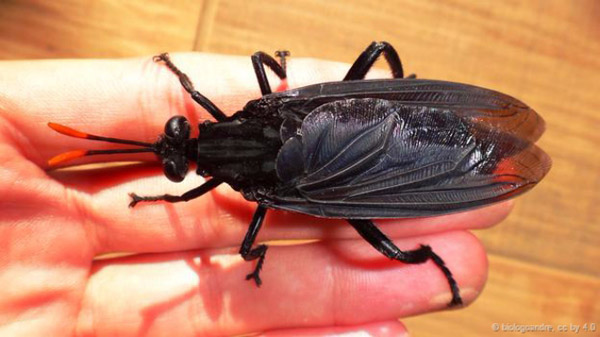
Close up of the largest flies on the planet
The world has more than 100,000 species of flies, of which the largest is the wood fly body longer than 8 cm or the long-legged fly crane 23 cm.
Browse ScienceInfo articles and explainers related to Wood.
289 published items.
The world has more than 100,000 species of flies, of which the largest is the wood fly body longer than 8 cm or the long-legged fly crane 23 cm.
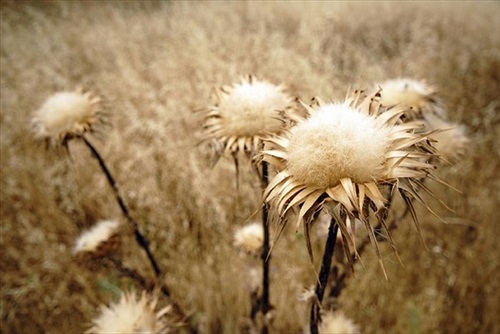
When faced with drought, plants produce special sounds due to the formation of air bubbles in the wood circuit.
Learn more about the golden tree species that are planted to replace old trees all over Hanoi streets.
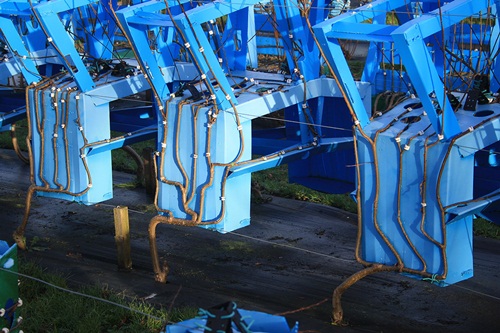
A British company creates wooden furniture by trimming and shaping natural trees.
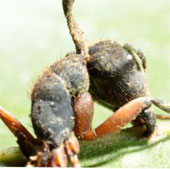
One type of parasitic fungus must kill hosts as ants, outside the nest of ants to be able to reproduce and infect fungal diseases, manipulate the ants of its victims.
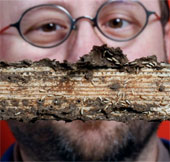
According to a press release from the University of North Carolina (USA), experts decoded and analyzed the genome of a termite species, which is moist wood termites.
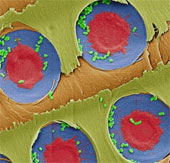
People in many parts of the world are still using water from rivers and lakes that contain many dangerous bacteria. Therefore, the water source needs to be filtered befo…

By creating a protective barrier from the ground, attracting the termites thanks to Focus, the termites will be lured into lure stations around the building.
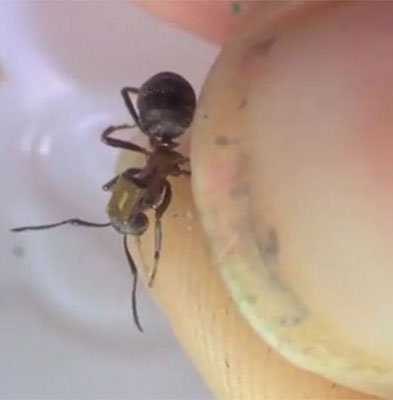
British scientists will attach micro-radio chips to the bodies of wood-eating ants in a relic to track their movements.
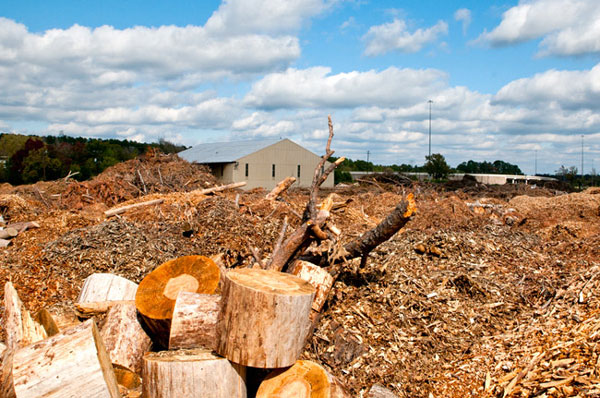
Aalto University Finland has proposed a method to use bacteria to produce butanol suitable for biofuels and other industrial chemicals from wood biomass.

The US Cobalt company has found a way to produce bioethanol from a dead plant due to the beetle infestation.

The 3-millimeter, 'tiny' caterpillar, lives at Hembury Woods, Devon, England, officially recognized as an 'unprecedented animal'.
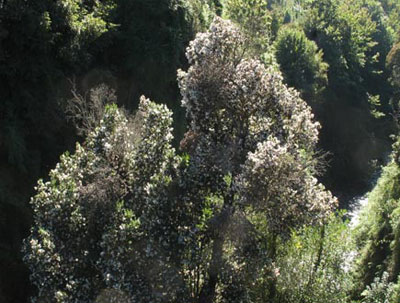
Many fungi cause plants to produce a mixture of hydrocarbons - chemical compounds that are very similar to the composition of fuels.

Plastic but can be biodegradable by the company Tecnaro, Germany, manufactured is considered a new milestone in the study of bioplastic materials.
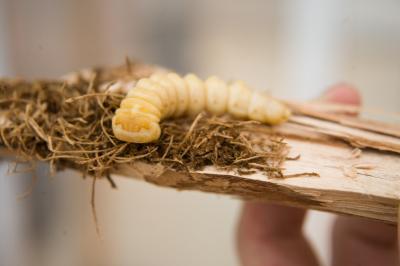
According to a group of entomologists and biochemists, a small, little-known fungus in the gut of Asian long-horned beetles has helped them chew the hardest wood.