
New technology
Boeing unveiled the world's largest twin-engine jet
The prototype of the world's largest twin-engine jet engine 777-9X was produced at Boeing factory in Everett, Washington.
Explore technology news, emerging innovations, digital tools, robotics, energy breakthroughs and practical tech developments shaping everyday life.
15,738 published items in this category and its subcategories.
The prototype of the world's largest twin-engine jet engine 777-9X was produced at Boeing factory in Everett, Washington.
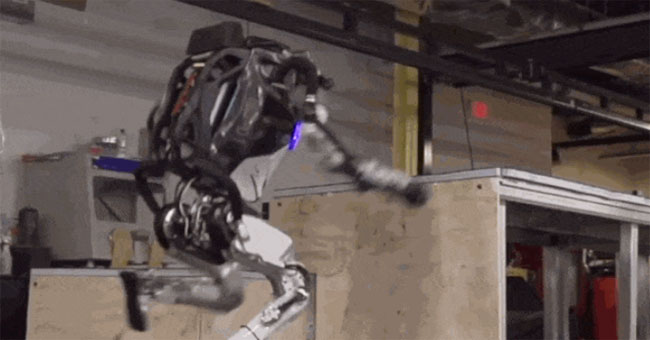
According to Newatlas, robot Atlas of Boston Dynamics (a subsidiary of Softbank) is making amazing developments in addition to being able to move on rough terrain.

Police robots have just been deployed in Beijing, China will be responsible for patrolling and detecting suspicious criminals on the road.
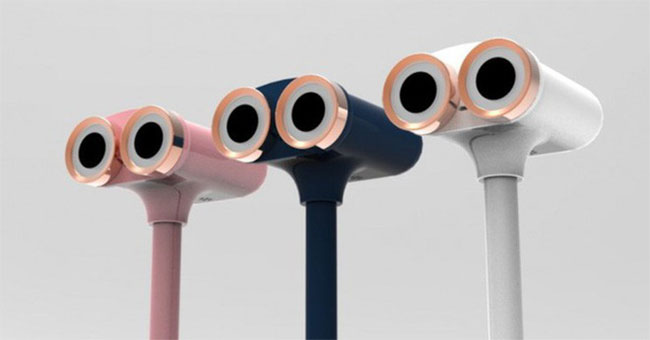
OPPY is an interesting photography accessory because it can replace many things like selfie sticks or smartphones when taking selfies.
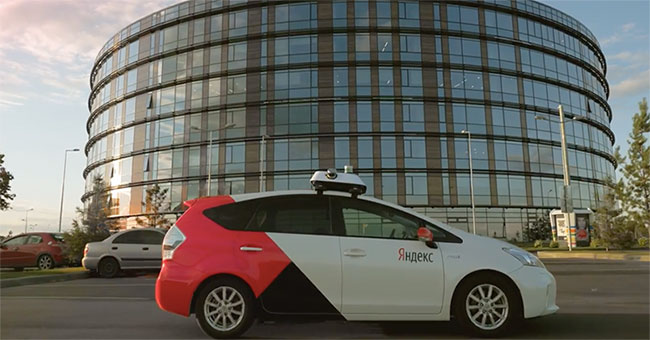
Unmanned taxis will begin to be tested at Russia's Skolkovo research center from October 15.
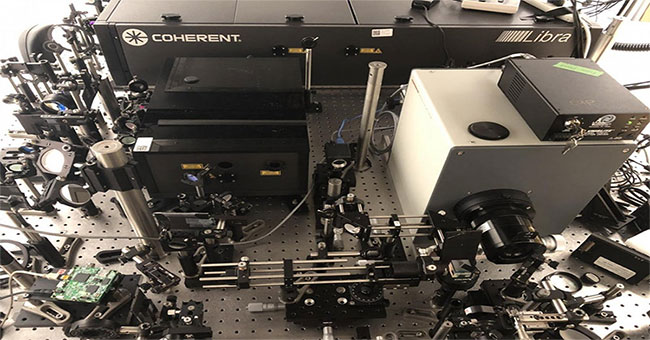
Super camera is named T - cup. Its shooting speed is so fast that it can record light movement.
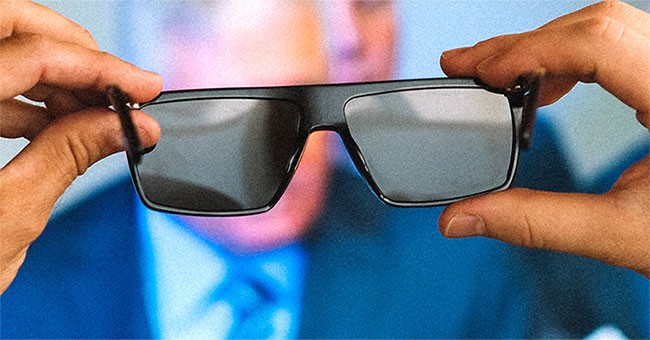
According to the developer, the IRL glass project will allow us to control the technology, not let technology dominate us as it is now.
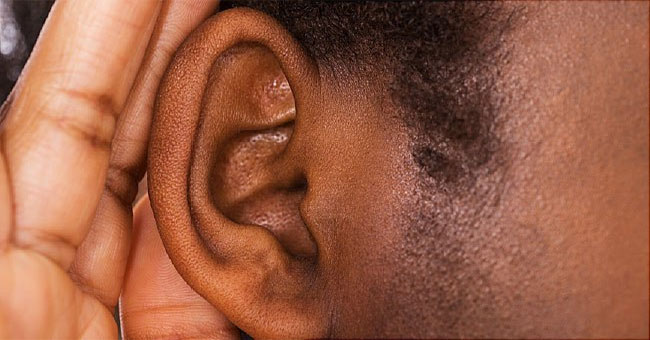
The US Food and Drug Administration (FDA) recently approved the sale of first hearing aids that users can buy, assemble and use, without the help of experts.
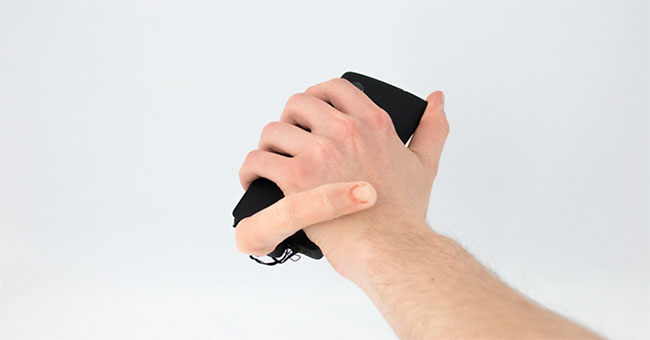
A French researcher invented a robotic finger attached to your mobile phone. The robot can look at the desk, or stroke your hand.

People are always looking for ways to not die. It is a strong survival instinct. Everyone wants to eliminate all illnesses and prolong life.

According to Optica magazine, inspired by the peculiarities of the mantis shrimp sight, researchers have developed new cameras equipped for unmanned vehicles.
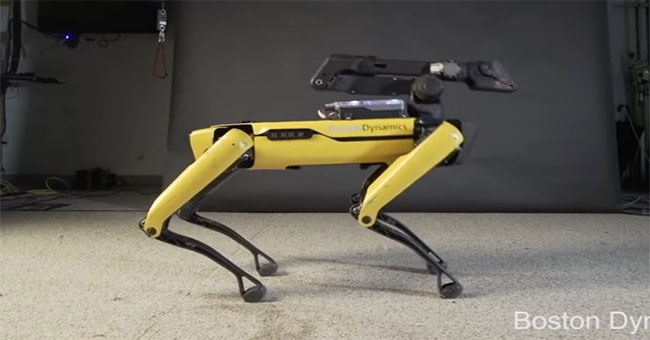
Boston Dynamics builds robots capable of moving like people, obstacles, even dancing to music.

The first fire-boat in China can reach emergency fire-fighting places immediately after a fire broke out, People said on Monday.
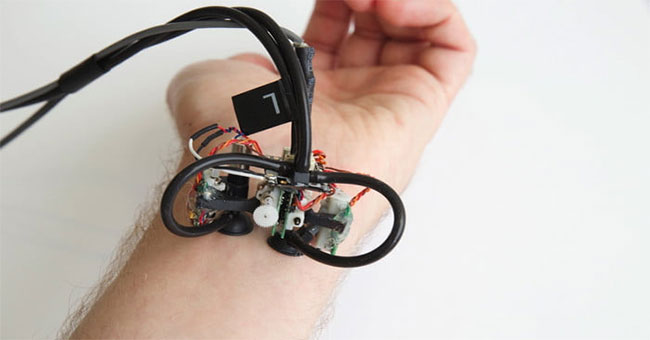
Scientists at the Massachusetts Institute of Technology have just developed a new type of robot capable of supporting screening for skin diseases, including skin cancer.
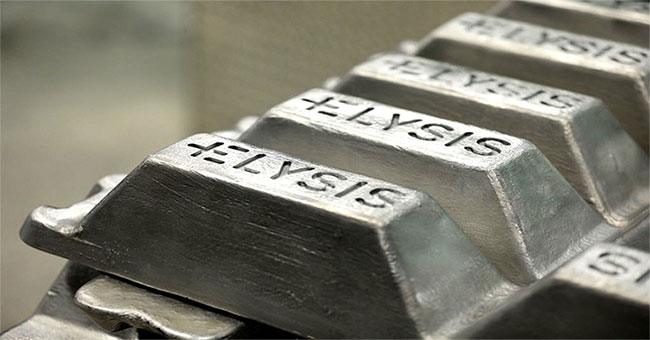
According to the new process, ceramics were used instead of carbon in the positive electrode. So instead of CO2 emissions, the reaction was given ... pure oxygen.