Archeology
The Tasmanian tiger is about to be
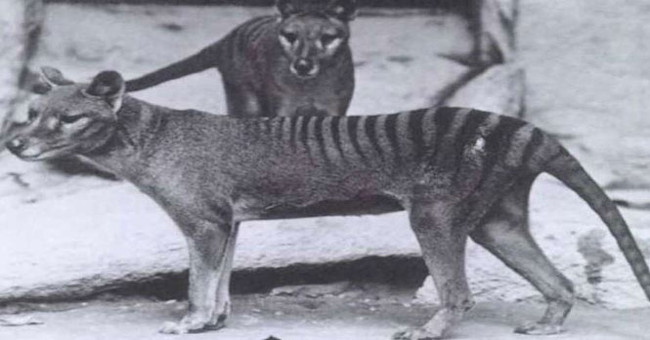
Tasmanian tigers or Tasmanian wolves, wolf bags have the scientific name Thylacinus cynocephalus. This is the largest pocket-sized carnivore in modern times.
Explore archaeological discoveries, fossils, ancient civilizations, human origins and artifacts that reveal how people and species lived in the past.
5,314 published items in this category and its subcategories.
Tasmanian tigers or Tasmanian wolves, wolf bags have the scientific name Thylacinus cynocephalus. This is the largest pocket-sized carnivore in modern times.

The army of Genghis Khan has made extensive conquests across Asia as well as part of Europe to build the mighty Mongol empire.

Viking warriors are historically famous for carrying out many attacks on villages, monasteries ... and robbing gold, valuable possessions and beautiful young girls.
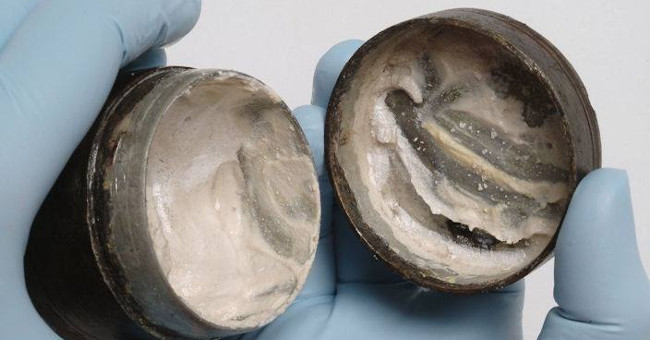
When British archaeologists found tins containing a 2,000-year-old cream of unknown origin, they were both delighted and surprised.

In the morning of May 22, the leader of Ha Tinh Provincial Museum said that the above-mentioned ancient style was discovered intact at the Phan Van family of Tram Bang v…
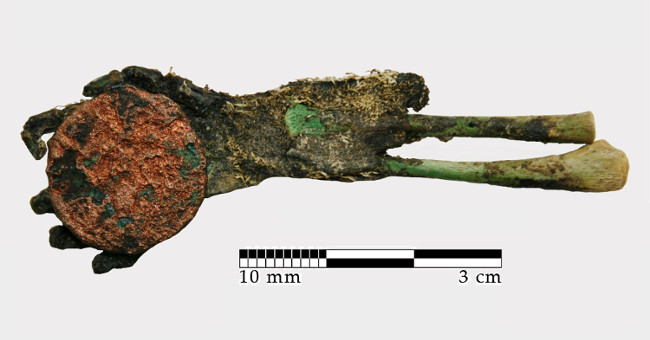
According to NYT, in 2005, Hungarian archaeologist Dr. Janos Balazs found the arm of a mummy child holding a greened coin.
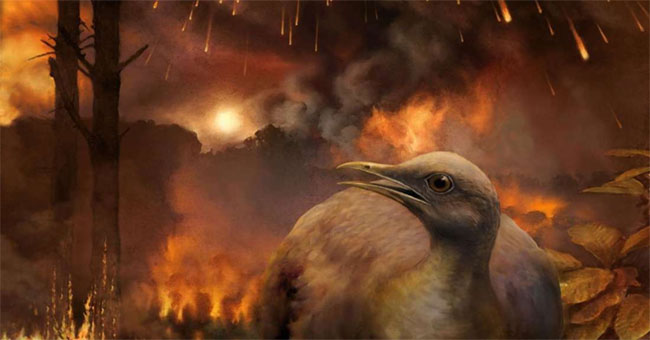
About 66 million years ago, a giant meteorite hit Earth, wiping out three-quarters of all organisms on Earth, and warming the climate for 100,000 years.

A French family has discovered objects that everyone wants to find when cleaning the loft: priceless Chinese art work.
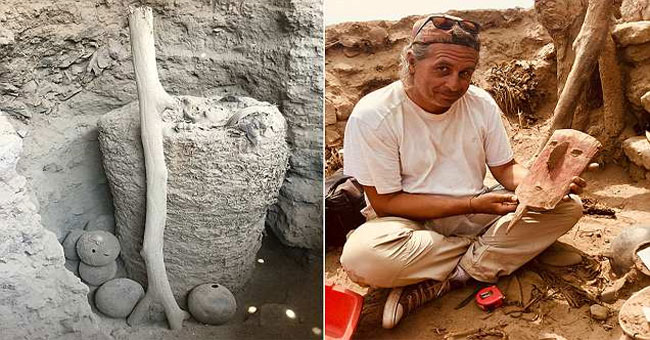
Archaeologists have unearthed a funeral complex of ancient Ychsma containing mummies buried about 1,000 years ago in Peru.
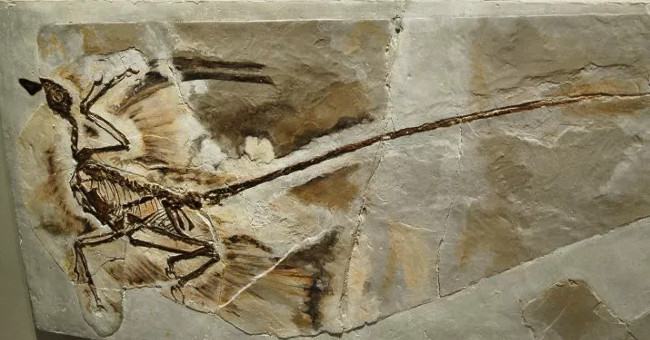
Scientists found dandruff between the feathers of the fossil dinosaur microraptor 4 wings, the Independent on 27/5 reported.

Usually, these creatures hide in vegetation in hopes
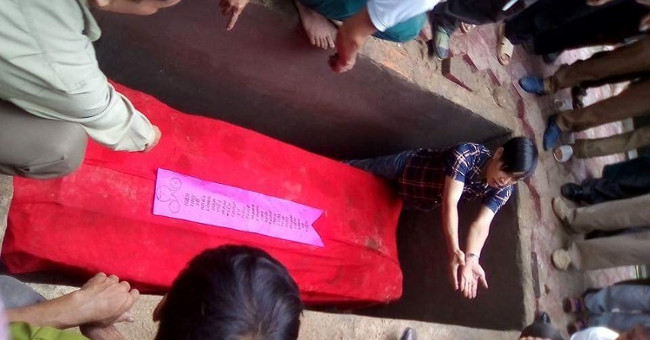
A few days ago, the local people were excited about a grave believed to have been found for hundreds of years in Thanh Chuong district (Nghe An).
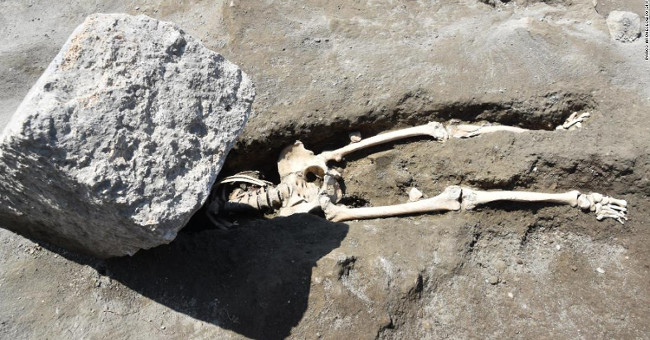
Archaeologists found the body of a bad victim, a one meter rock, hit the head in the volcanic eruption of Vesuvius in Italy in 79.
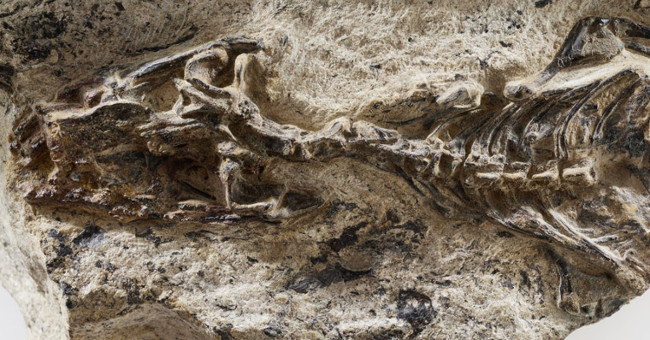
Brazilian scientists have discovered fossils of animals that lived between 42 and 39 million years ago in Curitiba, in the southern state of Parana.

According to experts, the architecture may be part of a Greek-Roman period building.