Archeology
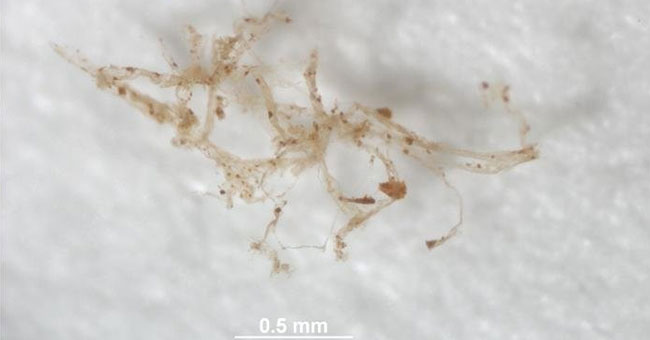
Detection of vein dinosaurs existed for 80 million years
Through research and comparison, scientists found a vein structure in an 80 million-year-old fossil bone fossil of a dinosaur.
Explore archaeological discoveries, fossils, ancient civilizations, human origins and artifacts that reveal how people and species lived in the past.
5,314 published items in this category and its subcategories.
Through research and comparison, scientists found a vein structure in an 80 million-year-old fossil bone fossil of a dinosaur.

Certain historians of ruins near Szigetvar, Hungary, are the resting place of the eminent king who ruled the Turkish empire in the 16th century.
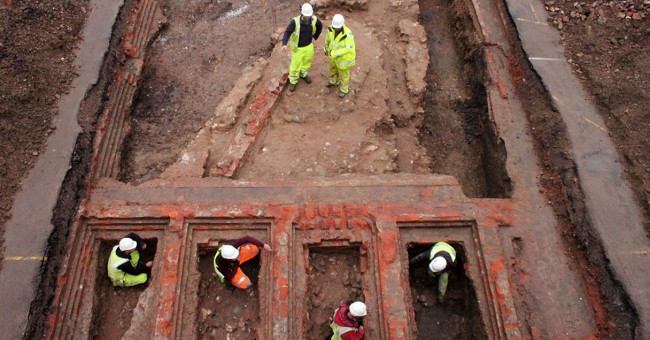
Researchers found traces of a medieval castle beneath the prison yard in Gloucester, England, to help reveal the royal architecture that once existed in the city.
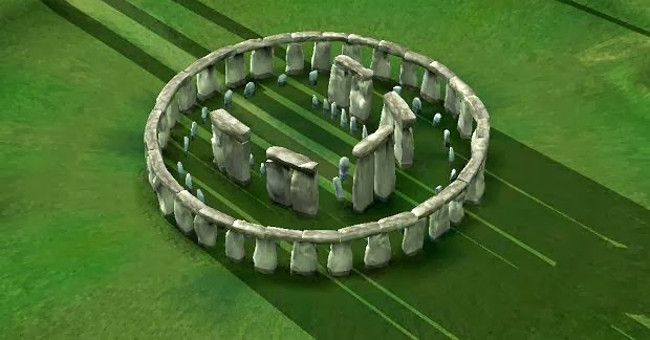
British scientists found evidence that the Stonehenge monument could initially be built in Wales.
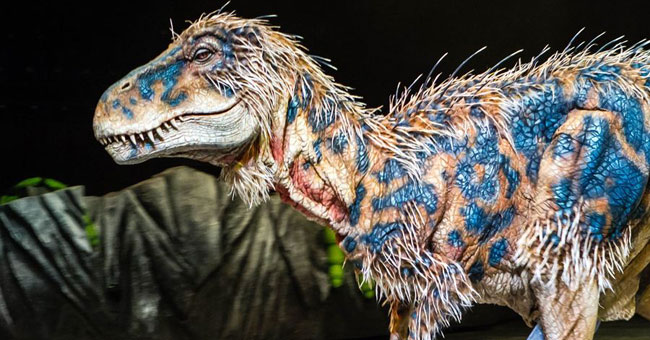
The list below will explore some of the common misconceptions about dinosaurs, and how much we already know about them, listed by NewScientist magazine.

Scientists have just announced a new discovery of an ancient deer, an extinct relative of giraffes.
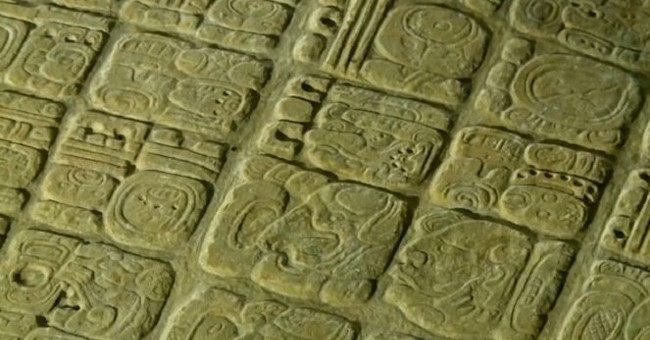
Guatemalan archaeologists have announced the discovery of two more than 2,700 year-old collective kitchens of the Mayan tribe in the village of Santa Fe Ocaña de la Cruz…

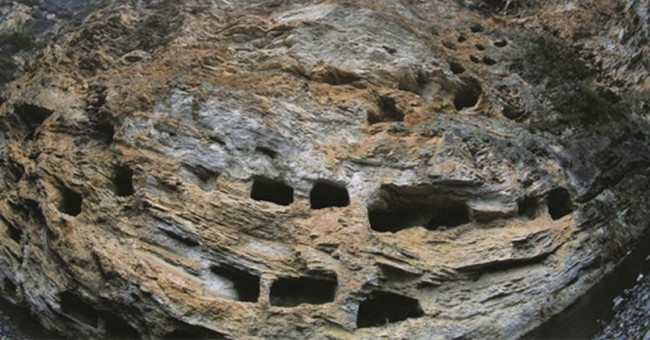
Chinese archaeologists found 131 mystical bodies dating back over a thousand years hanging on cliffs standing in Hang Tien Cave, Hubei Province.

Australian archaeologists' research shows the existence of mysterious towers beneath the temple of Angkor Wat.
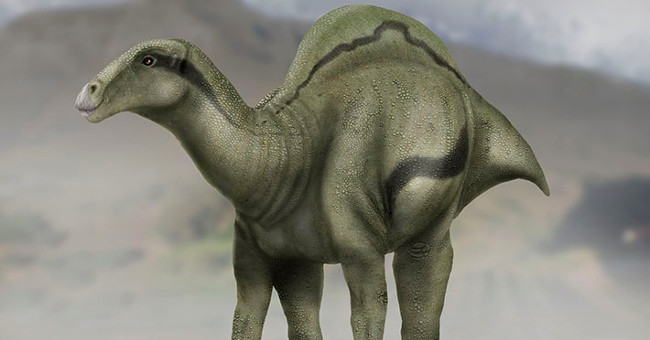
At the quarry at Mas de la Parreta Quarry, Morella, Spain, archaeologists discovered fossils of a strange dinosaur with a hump on its back like a camel.
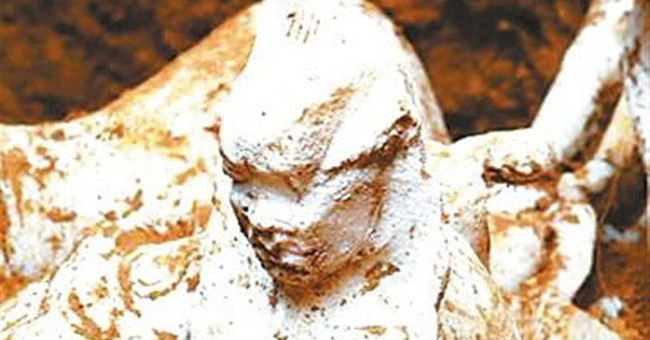
Scientists found a sphinx statue dating back more than 1,000 years in the ancient Tang tomb in northwestern China.
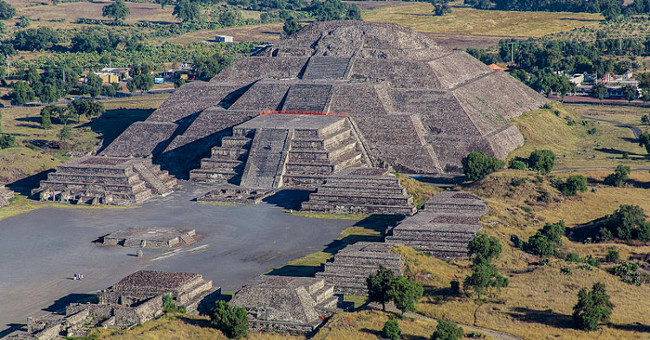
Believe it, underneath the pyramid in Mexico is a huge graveyard ...
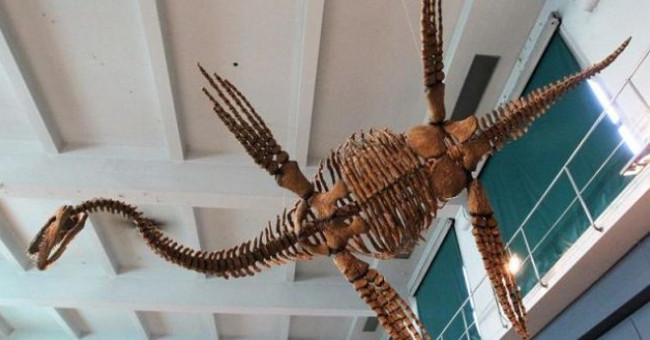
The mystery of the swimming style of the dragon (Plesiosaur), an ancient creature with a unique body, was decoded by scientists after nearly two centuries of controversy.
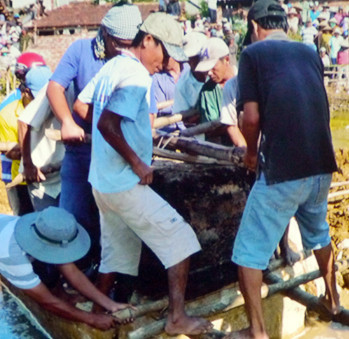
The scientists initially identified the grave of compound with characteristics in the outer area of the noble.