Biology
Mustard can limit the destruction of chemical weapons
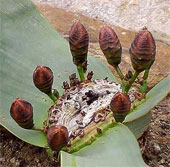
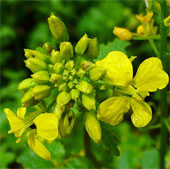
Tests show that mustard plants grown in soil are contaminated by VX neurotoxin, absorbing this toxin through the roots and retaining it for at least 45 days.
Explore biology, plants, fungi, insects and living systems through research, species profiles, natural adaptations and surprising life-science facts.
3,879 published items in this category and its subcategories.
Tests show that mustard plants grown in soil are contaminated by VX neurotoxin, absorbing this toxin through the roots and retaining it for at least 45 days.
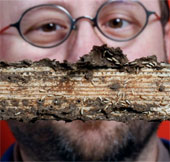
According to a press release from the University of North Carolina (USA), experts decoded and analyzed the genome of a termite species, which is moist wood termites.
A new study finds methane - one of the simplest and oldest organisms on Earth - can live on Mars.
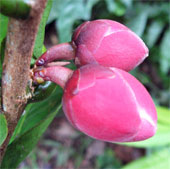
Khanh Hoa scientists propose to preserve Krempf flower tea discovered in two locations in the mountainous areas of the province, the scope of distribution is narrow with…
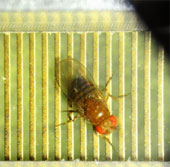
Fruit flies 'think' before they act, a study conducted by scientists from the Center for Neural Circuits and Behavior at Oxford University said.
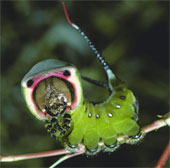
The shape is easily confused with snakes, snails or plants that can help caterpillars camouflage and defend themselves.
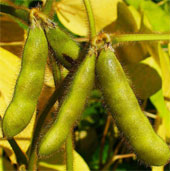
Scientists hope, high-yielding soybean varieties that adapt to the environment soon appear before 2030.
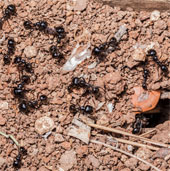
Ant species have a strategic strategy to solve complex problems, which can be widely applied as optimization techniques.

Brighter colors of butterflies and dragonflies are competing better with others when faced with climate change.

Looking from afar, this greasy green caterpillar seems to be a very attractive dish for any predator.
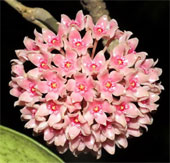
The scientific community has just announced the species of Cam Phu is discovered near the sea of Quang Binh and Nha Trang.
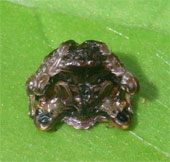
Researchers were extremely surprised to discover spiders with a unique camouflage ability of 1-0-2.

Referring to the name Toshiba, one remembers a powerful Japanese electronics company. However, Toshiba is planning to encroach on the food market.
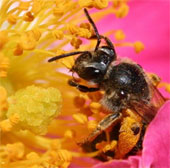
The venom from one of the world's most poisonous spiders may become a biological insecticide that kills harmful insects, but does not affect bees - one of the