
Biology
The world's largest vertical garden
The garden is erected vertically by a 24-storey building, hoping to save energy, water and environmental friendliness.
Explore biology, plants, fungi, insects and living systems through research, species profiles, natural adaptations and surprising life-science facts.
3,879 published items in this category and its subcategories.
The garden is erected vertically by a 24-storey building, hoping to save energy, water and environmental friendliness.
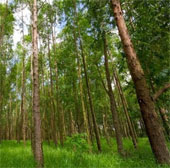
An international team of scientists on June 11 announced that it has successfully decoded the genome of eucalyptus trees.
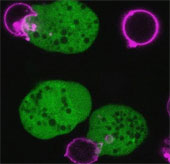
According to a recent study, parasitic amoeba, a group of certain unspecified unicellular organisms that live in the human body, can destroy cells by biting pieces of in…
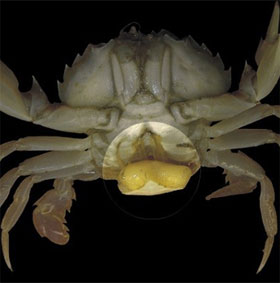
When infected with parasites, these host species are often controlled to the point of losing control, sometimes to death.
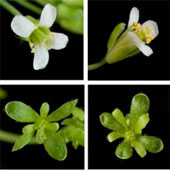
For the first time, scientists have discovered how parasitic bacteria can turn plants into living corpses, like in animals.
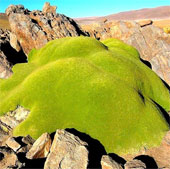
In the Andes Mountains, thousands of years of existence existed in such a strange appearance that it may be mistaken for us to think that they do not belong to the Earth.
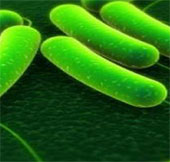
Australian scientists at the Center for Infection Research have reported that the strain of ST131 of E. coli pathogens can be completely resistant only to a negligible g…
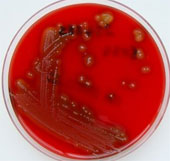
Scientists have found that a meat-eating bacterium can cause fatal infections that evolve rapidly, within 35 years.

For the first time, scientists have discovered an organism that has genital swaps: Males have vaginas, females have 'precious'.
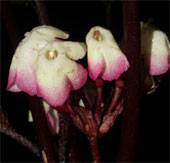
The research team of the Southern Institute of Ecology (SIE) has discovered a new, unprecedented plant species - genus Giang Ly.
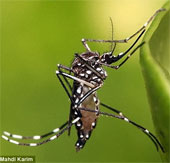
Baby mosquitoes that inherit the additional genome that only survives for a short time should reduce the risk of spreading dengue.
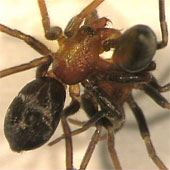

The whole process of natural change from the caterpillar state, and the pupae become butterflies with gorgeous shapes that have been recorded in the most honest and vivi…
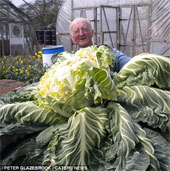
The giant cauliflower, 1.8m in length, planted by farmer Peter Glazebrook in the UK has reached the record of the world's largest cauliflower.
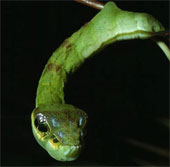
Moth larvae transform the body shape with many snake-like characteristics, which can camouflage the enemy.