
Biology
The mysterious giant beetle
More commonly known as Titan, this bug can grow to almost 18cm and its teeth are so strong that it can cut a pencil in half.
Explore biology, plants, fungi, insects and living systems through research, species profiles, natural adaptations and surprising life-science facts.
3,879 published items in this category and its subcategories.
More commonly known as Titan, this bug can grow to almost 18cm and its teeth are so strong that it can cut a pencil in half.
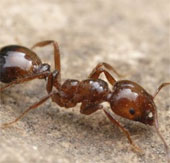
A researcher in Arizona (USA) has published a calculation of the pain of being bitten by insects, helping you to identify and stay away from potential insects.
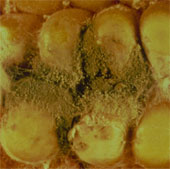
Research by US scientists shows that two common types of mold in food in developing countries aggravate the condition of people with HIV.
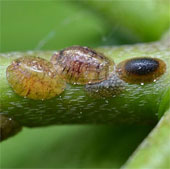
The Government of Canada will set aside an investment to help SemiosBIO Biotechnology Corporation develop and commercialize new pest control products that rely on the ch…

A bizarre ant has just sprung up in the South of America with a taste like nobody else - just likes to attack and devour high-tech electronic devices like smartphones an…
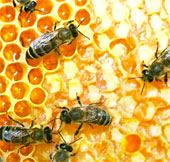
Scientists have come up with an effective way to deal with swarming disorders in bees: establishing a sperm bank for them.

Local media reported that the incident occurred after piles of strange algae were washed ashore on June 8. Since then, the algae have not shown signs of disappearing bec…
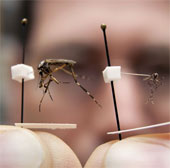
Gallinipper mosquitoes - scientifically known as Psorophora ciliata - are 20 times larger than normal mosquitoes, which are present in the state of Florida, Southeastern…
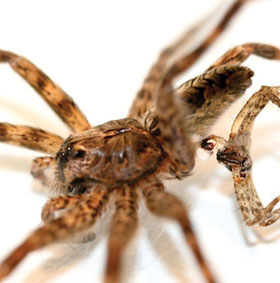
After sexual intercourse, male spiders are often killed by carnivorous spiders, but with fish spiders, male spiders die because of ...

Centuries before becoming a key ingredient in salads and sauces, tomatoes were once considered by Europeans to be a deadly poison.
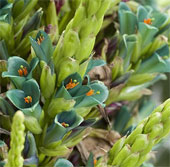
After 100 years, the first time the Puya tree berteroniana is rare and beautiful, although it shows signs of blooming from 11 years ago.
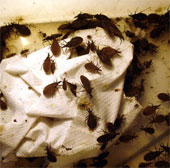
Blood-sucking bugs are the culprits in Latin American parasites many years ago. Currently this epidemic has appeared in many other places in the world including Vietnam.
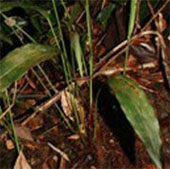
According to the Vietnam Academy of Sciences, the new plant is forest garlic, the asparagus family, discovered by Vietnamese scientists and American scientists.
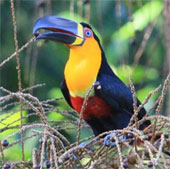
A study published in Science has shown that deforestation in Brazil is making plants produce smaller, weaker and less regenerating seeds.

Fruits sold in supermarkets in Europe are labeled. But, these labels may disappear in the near future when the fruit origin will be determined by using lasers on them.