
Biology
Turn straw into ... fuel
From 1 ton of straw, can produce 250kg of liquid fuel ... Scientists of the Institute of Chemistry have successfully produced bio-oil from straw by pyrolysis technology.
Explore biology, plants, fungi, insects and living systems through research, species profiles, natural adaptations and surprising life-science facts.
3,879 published items in this category and its subcategories.
From 1 ton of straw, can produce 250kg of liquid fuel ... Scientists of the Institute of Chemistry have successfully produced bio-oil from straw by pyrolysis technology.
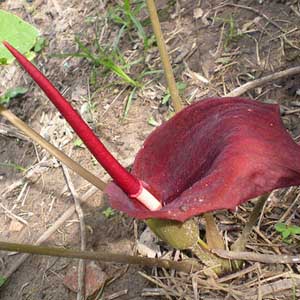
Scientists discovered a rare plant species in Australia, a plant that has never been developed in arid climates.
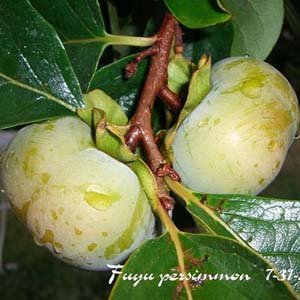
The Plant Protection Institute has imported two non-harsh crunchy pink varieties from Japan, Fuyu and Jiro. These are high quality pink varieties.
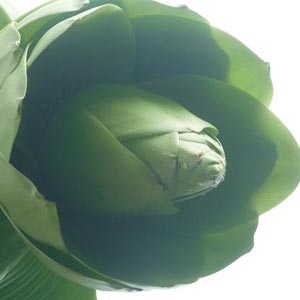
Mr. Bui Van Sang owns 10 very special strange peaches. These peach trees produce fruits in bunches on the branches. There are beams of up to 19 fruits and fruits shaped…

An American F-22 fighter plane flew over the speed of sound with biofuels, marking an important milestone towards the goal of cost savings and environmental protection.
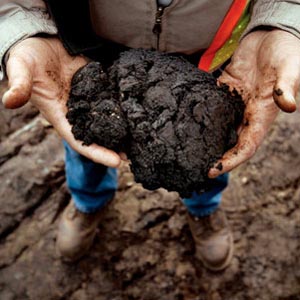
The new, more environmentally friendly method will extract oil from oil sands that has been developed by researchers at Penn State University (USA).
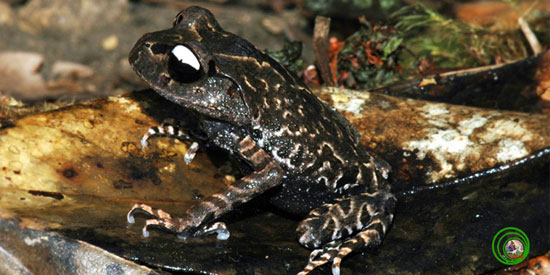
Australian and Vietnamese scientists have just discovered the white-eyed toad-eyebrow Leptobrachium leucops in Zootaxa 2804: 25–40 (2011). Toad species are discovered in…
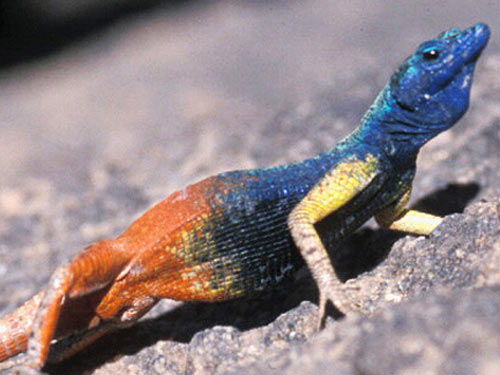
Unlike the reptiles, this lizard has a very sophisticated territorial and anti-enemy defense mechanism. Their bodies have vivid colors that contain many photosensitive o…
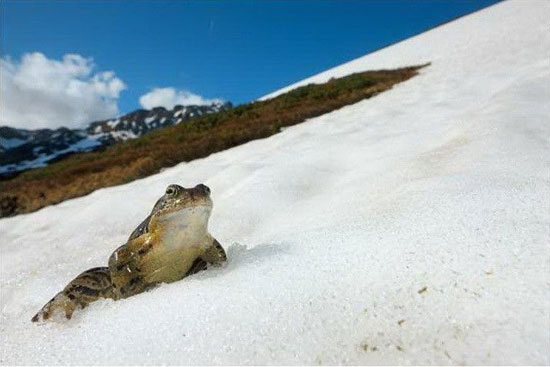
Above the altitude of 1.800m, the Alps exist a unique lake. This is the home of hundreds of frogs Rana, one of the rare creatures living on this altitude, in glacial lak…

Juliet Nisbet, 48 years old, was surprised to see the orange tree at her home suddenly came out with lemons after years of normal orange production.

US scientists have searched in the cow's gut that enzymes that make enzymes can break down hay into absorbable products.

Over the past 12 years, biologists from the University of Liverpool (UK) have studied a strange round worm that can discolor its host parasite into red to alert the enem…
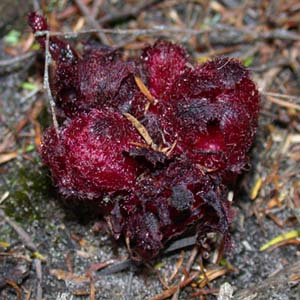
A parasitic plant uses aromatic chemicals to attract the attention of small mammals, so that their flowers are pollinated.

10 years ago, humanity has established a map of human gene structure. However, so far, human genes still have many unexplored mysteries.
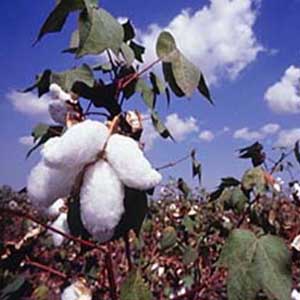
New research by Dr Glenn Stone - Professor of Anthropology of Arts and Sciences at Washington University, St. Louis, shows that the productivity of the first genetically…