Biology
Leaves have internal thermostats
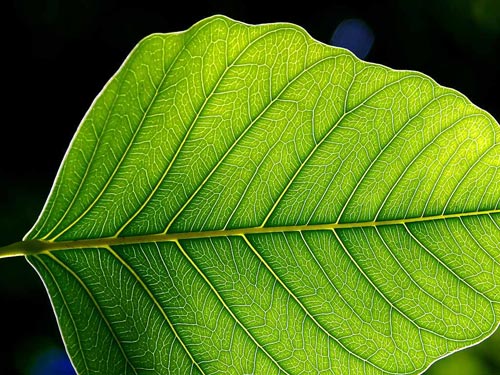
Whether in Canada or the Caribbean, leaves don't have to worry about outside temperatures - they have built-in weather controllers for the purpose of keeping them comfor…
Explore biology, plants, fungi, insects and living systems through research, species profiles, natural adaptations and surprising life-science facts.
3,879 published items in this category and its subcategories.
Whether in Canada or the Caribbean, leaves don't have to worry about outside temperatures - they have built-in weather controllers for the purpose of keeping them comfor…
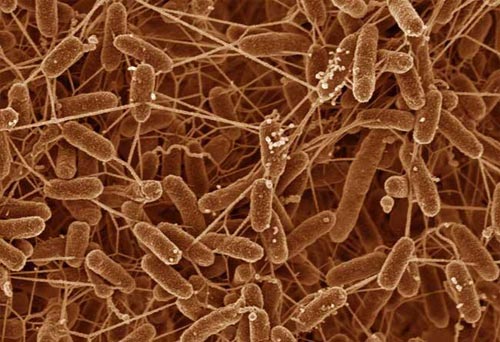
Great ideas come in small shape. In the case of Shewanella bacteria, they are micro-packed. But this microscopic bacterium can hold the key to producing alternative ener…
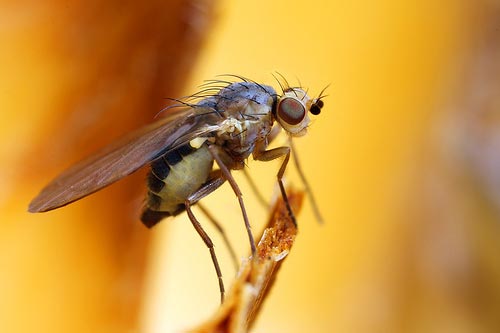
Flies, unlike humans, cannot regulate the ambient temperature so they need to choose the most suitable breeding ground. Brandeis University's new study published in this…
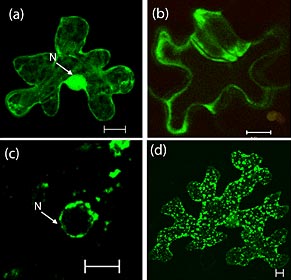
Scientists from the Brookhaven Laboratory - the US Department of Energy have found important enzymes involved in the conversion of isoflavonoids - natural plant products…
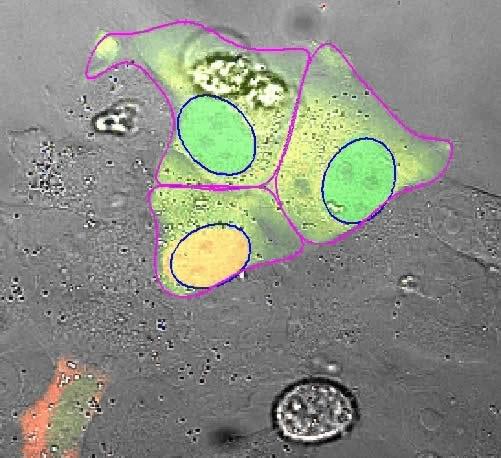
A leading scientific journal said that scientists at Nottingham University have achieved the first important steps in creating an artificial living cell.
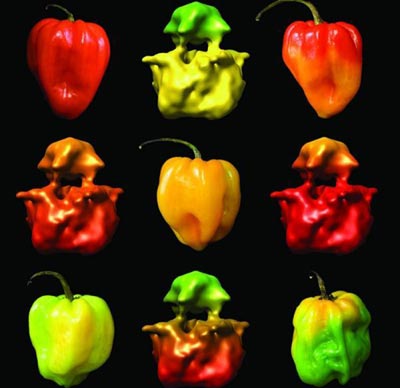
We can now not only feel the spicy taste of the jalapeno red pepper, but also can see it in three-dimensional images thanks to researchers from Baylor College of Medicin…
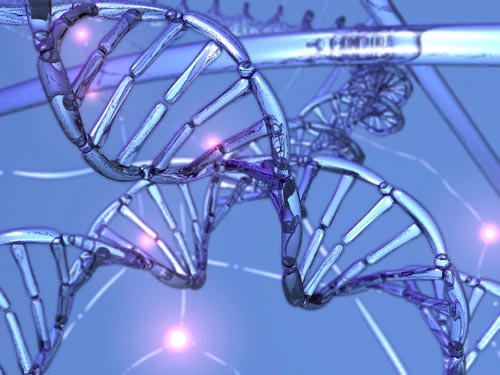
For the first time, researchers at Delft University of Technology witnessed the repair of damaged DNA molecules in real time.
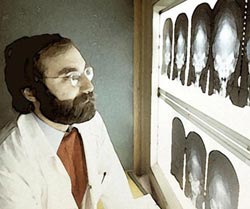
A new technology, with potential applications in research and clinical research, including early detection of disease, has been invented and developed by researchers at…

The study, conducted by the Weizmann Institute, provides important insights into the process of virus infection. Published online in PLoS Biology, the study revealed the…
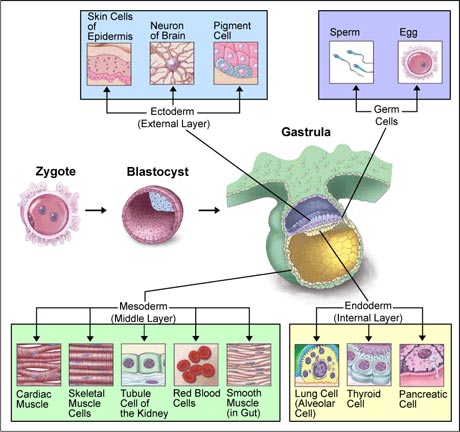
Stem cells are one of the most fascinating areas of biology today. But like so many science areas that are growing, research on stem cells raises questions both scientif…
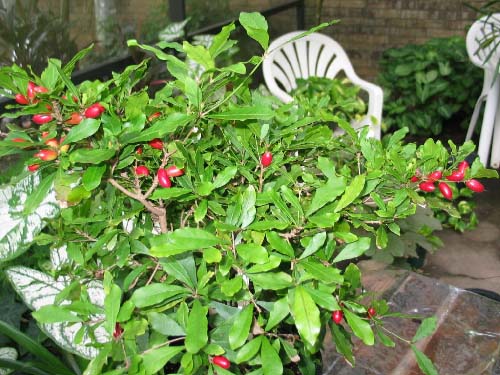
Lemon loses sour taste, sweet vinegar is like wine, bitter beer becomes like milk chocolate. That's the use of a red berry from West Africa.
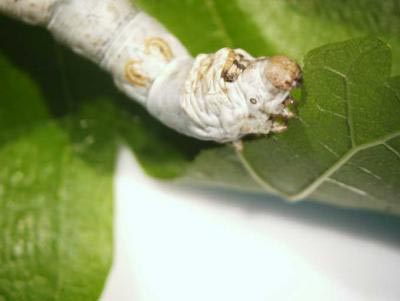
Silkworms have a unique ability to eat poisonous mulberry leaves without any harm, and scientists are gradually understanding why: silkworms contain a special digestive…
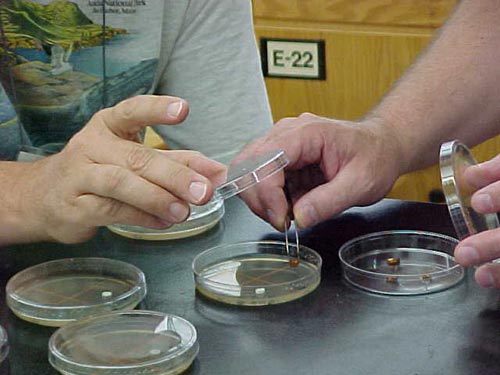
Researchers at the John Innes Center and the University of East Anglia have recently explained the structure and function of an enzyme involved in attaching sugars to an…
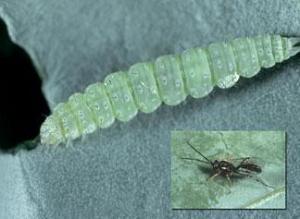
Genetically modified plants using Bt (Bacillus thuringiensis), a common soil bacterium, to kill pests will not harm the natural enemies of pests, according to a new stud…
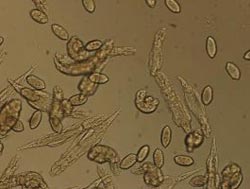
From where do we have our own genome? If it is an animal, a gene comes from a parent's conception, and that's it. There is no subsequent combination of DNA unless we hav…