
Biology
The smallest tree species in the world
The dwarf willow tree only grows to a height of 1 - 6 cm to adapt to the harsh environment in the Arctic.
Explore biology, plants, fungi, insects and living systems through research, species profiles, natural adaptations and surprising life-science facts.
3,879 published items in this category and its subcategories.
The dwarf willow tree only grows to a height of 1 - 6 cm to adapt to the harsh environment in the Arctic.
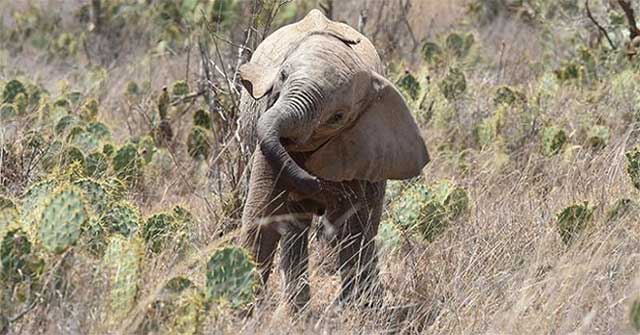
The ability to take root from every part and layer of thorns makes Opuntia cacti a threat to people, cattle and wildlife.
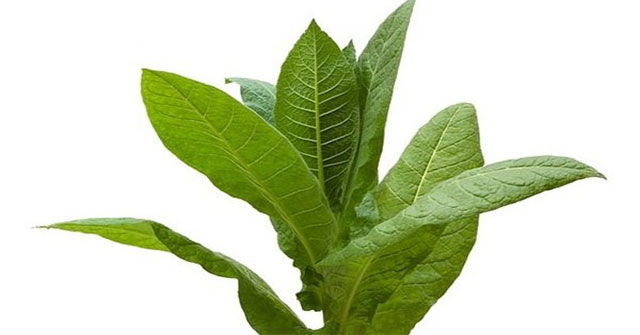
Recent research by scientists shows that plants also feel pain and emit a groan when not watered.
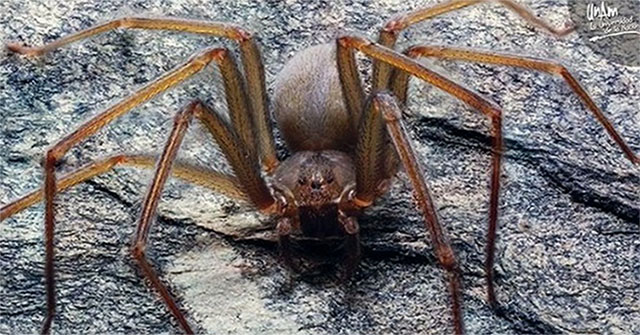
Scientists have discovered strange spiders in Mexico have powerful venom that causes meat to rot with a bite.
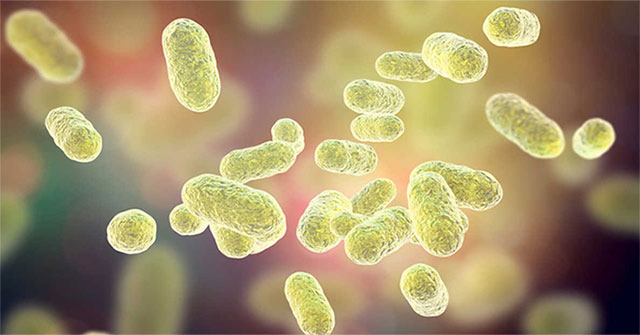
Porphyromonas gingivalis bacteria (Pg) has been identified as a causative agent of human cancers, diabetes and Alzheimer's.

The alarm is sounding about the global decline in insects! Recent studies show that the number of insects is plummeting, due to habitat loss and pesticides.
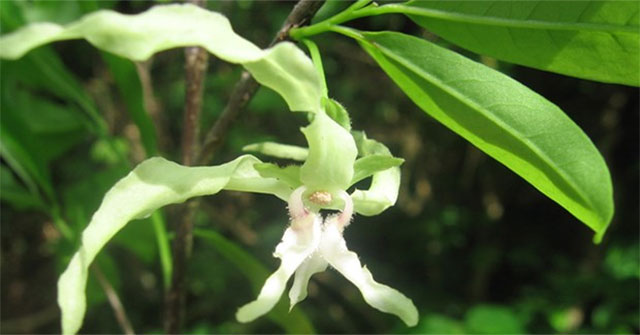
The researchers surveyed 22,000 tropical plant species in Africa and found that 7,000 species, or 32%, were at risk or facing extinction.
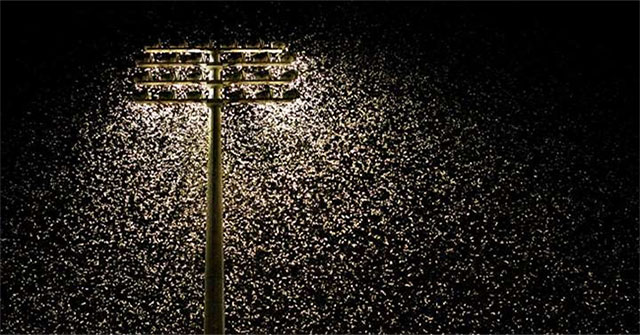
According to the Guardian newspaper on November 22, according to the most comprehensive assessment from the available scientific evidence, light pollution is an importan…

People have loved red apples for generations, but rising temperatures could be a sign of the end of a good dose for the body - red apples.
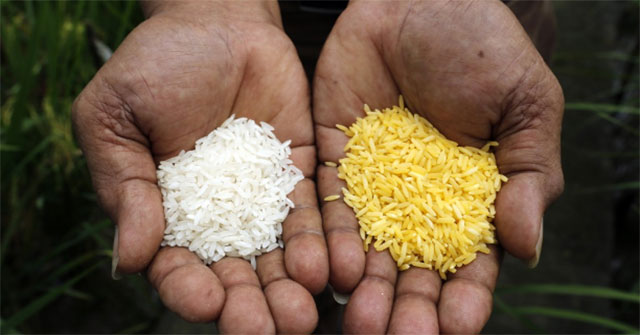
20 years ago, since the first time rice was known, it has always been the focus of the debate about genetically modified crops.
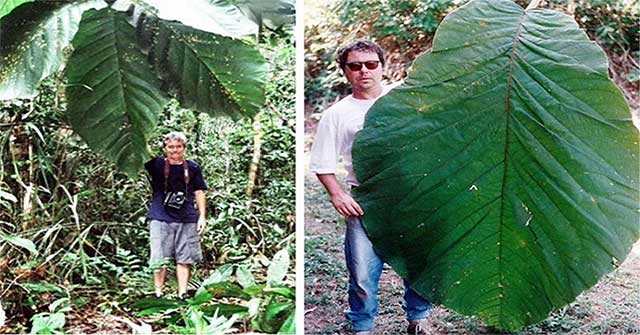
Coccoloba gigantifolia grows 15 meters tall, has 2.5 meter long leaves, most likely the largest leafy species of the dicotyledonous plants.

Are insects really dead in figs? You can hear rumors, and it turns out that (sometimes) it's true. But when you learn about the whole relationship between figs and insec…

A farmer in Thailand has developed large-scale insect farming to make junk food, bringing high revenue to the family.
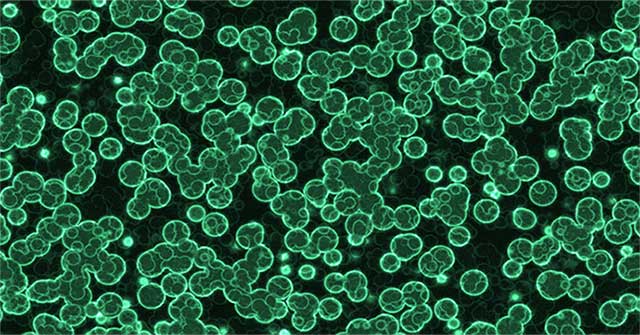
After 10 years of research, experts from Israel's Weizmann Science Research Institute (WIS) developed a bacterium that only absorbs carbon dioxide (CO2).
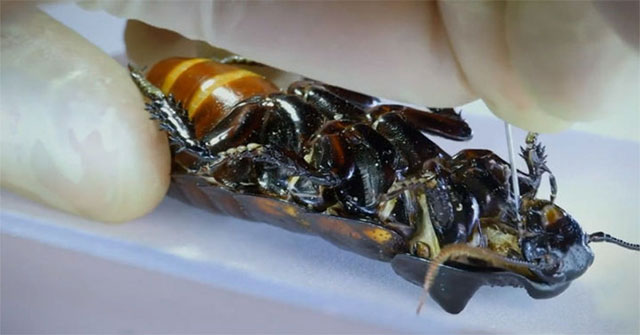
Surely everyone used to kill insects once and when they were young, there must have been some people who were curious about the substances of white or yellow released in…