Biology
Flowers rarely smell rotten fish in Australia
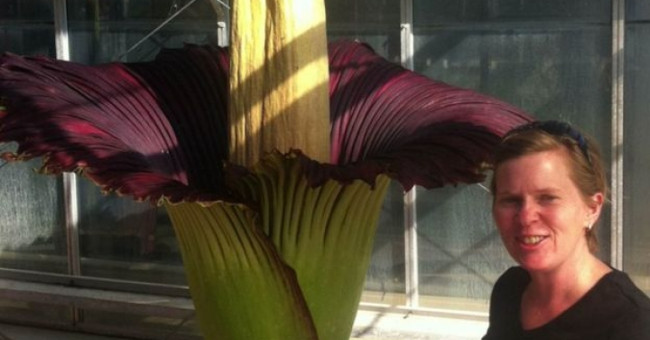
The two-meter-high flower tree emits a rotting smell of meat in an Australian botanical garden, attracting many people to come and smell it.
Explore biology, plants, fungi, insects and living systems through research, species profiles, natural adaptations and surprising life-science facts.
3,879 published items in this category and its subcategories.
The two-meter-high flower tree emits a rotting smell of meat in an Australian botanical garden, attracting many people to come and smell it.
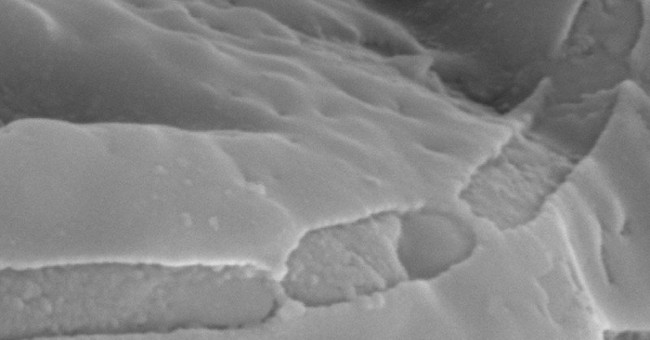
Fossils in Africa show that the ancient bacteria have found deadly UV-hiding rocks in the Taihu era when life began to form on Earth.
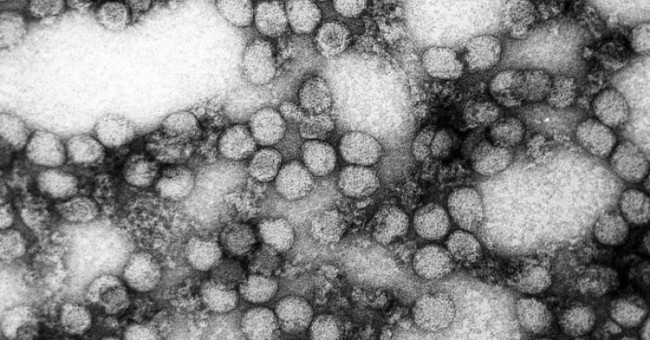
Recently, the Ministry of Health of Vietnam expressed concern about the possibility of appearing virus species eating dangerous human brain in the country - Zika virus.
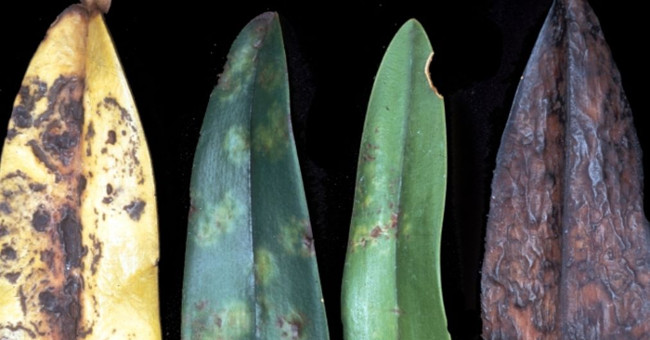
All the benefits of plant viruses are probably only limited by our imagination.
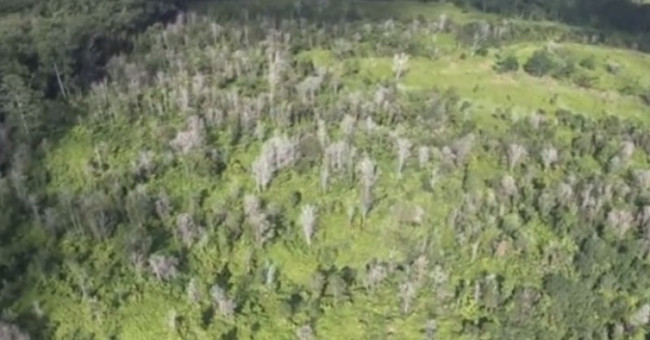
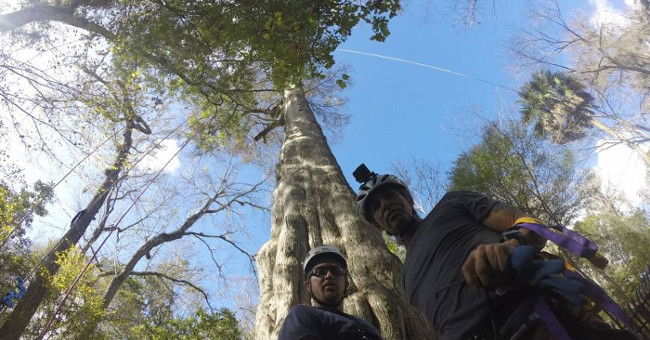
Last week, US environmentalists climbed a 2,000-year-old cypress, as tall as a nine-story building, called the Lady of Freedom in central Florida.
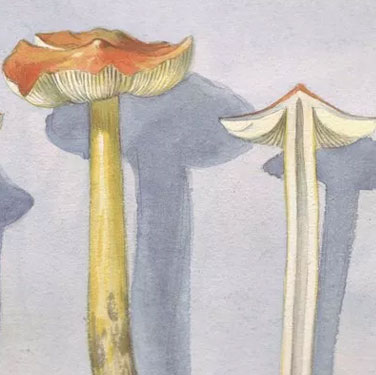
A scientist in the United States found that hiding deep in small fungi is an extraordinary ability to create useful rain waves.
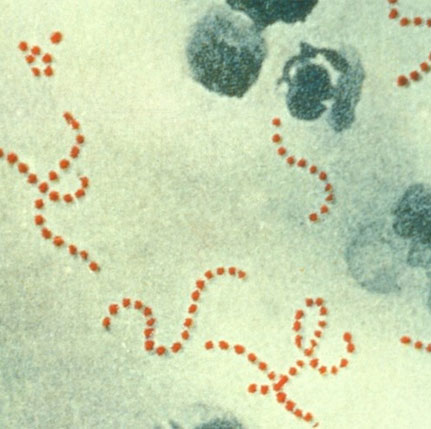
Brain-eating amoeba, streptococcus, buffalo fly larvae, green-spotted larvae, poisonous brown spider are 5 parasitic species that use human flesh as food or cause tissue…
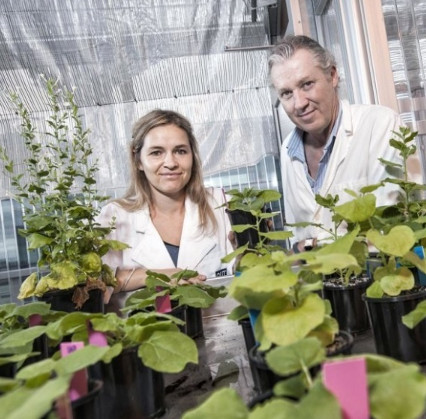
A native Australian plant that lasts 750,000 years in drought conditions can hold the secret to growing vegetables in the universe.
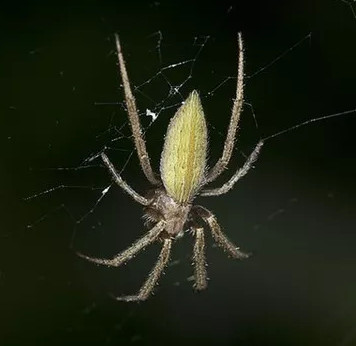
The spiders are all ... afraid of their wives, but the spiders alone are not.


The strange color of this new strawberry variety makes many people afraid of fear of impregnating toxic chemicals.

Many flies in South America have a unique breeding strategy to the point of being frightening. They lay eggs on the fire ants to feed the host's brain.
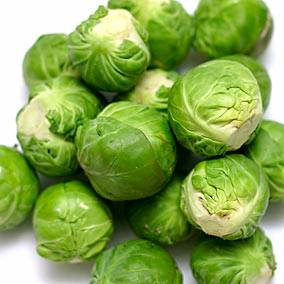
November is the time when the weather starts to become cold, the time of the wilting, wilting for many types of trees. However, this is a favorite time for some vegetabl…

Russian and some other scientists have observed that algae grow very fast in the lake Baikal since 2011.