Biology
Heat plants melt ice
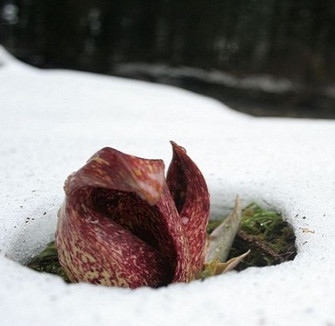
Around the place where skunks grow up, there is usually a small pool of water, made of ice and snow melted by the heat of the trunk.
Explore biology, plants, fungi, insects and living systems through research, species profiles, natural adaptations and surprising life-science facts.
3,879 published items in this category and its subcategories.
Around the place where skunks grow up, there is usually a small pool of water, made of ice and snow melted by the heat of the trunk.

Nutrition experts say that after cooking, the amount of vitamin in the transgenic beans is more than 328 micrograms, much higher than the 81 micrograms of regular beans.

The bacteria communicate with each other similarly

Previously in Europe, there have been many cases where African parents have white children ...
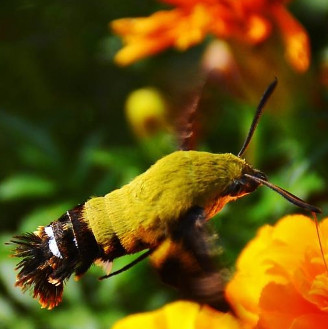
An extremely rare species of hummingbird species found in the area of Liangshan Mountain, Hubei Province.

Currently, there are several types of 'viruses' that are resistant to all antibiotics, the most common of which are intestinal gram-negative bacteria.
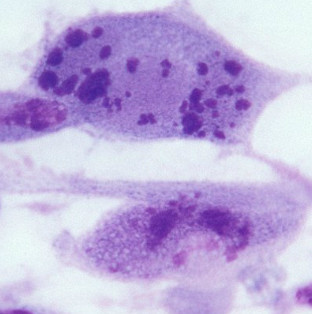
The latest statistics from the World Health Organization (WHO) show that 67% of the world's population under 50 years old is infected with herpes virus.
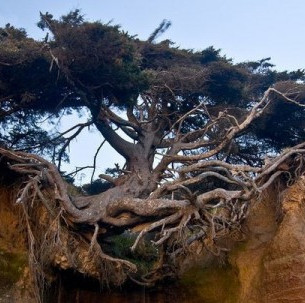
The running tree is a spruce in Washington, USA. It becomes a destination for tourists in the United States thanks to the miraculous vitality when the roots do not compl…

The human body is home to trillions of bacteria, but we cannot see them.
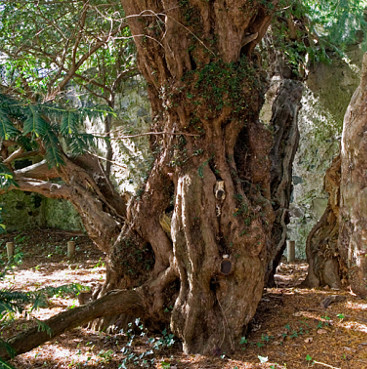
A branch of a tree suddenly turns red, characteristic of the female tree, while the rest is still a male tree, indicating that it is likely that the tree is in the proce…
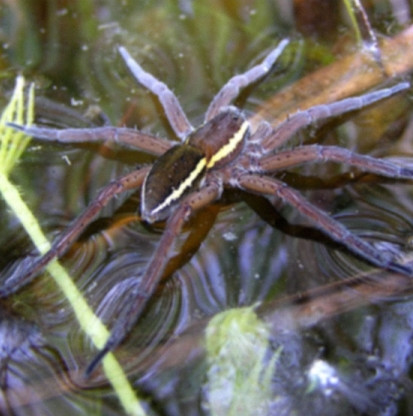
The giant spiders eat fish (fen raft spider) as big as the hand of luck escaping the danger of extinction in recent times.

In the mysterious natural world, some insects are likened to true warriors because they have superior abilities worthy of being recorded in the
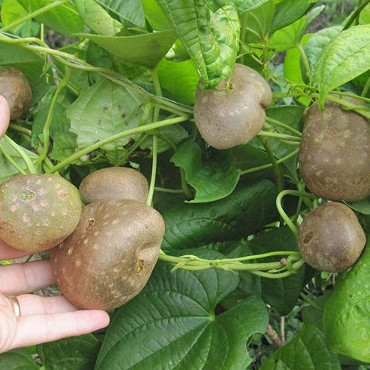
Air potatoes, also known as vines, are a member of the yam family that originated in sub-Saharan Africa and Africa.
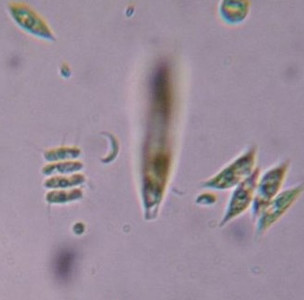
Scientists at the Johns Hopkins University of Medicine and University of Nebraska have discovered an algae virus that could affect the brain and make us stupid.
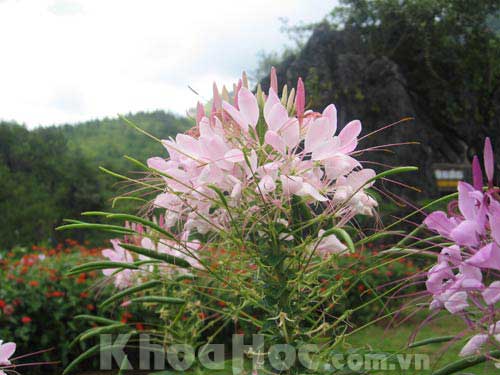
Dr. David Bramwell conducted the survey by summing up the number of flowering plants of each region, focusing on species that appear only in a country or an island. Plan…