
Cancer
Genetic breakthroughs open up the revolution in cancer treatment
Scientists in the UK have completed the complete genetic map of the two most common lung and skin cancers.
Explore cancer research, warning signs, risk factors, prevention, diagnosis and treatment developments across major types of cancer.
910 published items in this category and its subcategories.
Scientists in the UK have completed the complete genetic map of the two most common lung and skin cancers.

Most people think that Western diets are related to the risk of breast cancer.

Researchers say sunscreens made from coffee, chocolate or tea may help prevent common skin cancer.

Eating pomegranates may reduce the risk of breast cancer, according to research by Ohio University (USA) scientists.

Scientists have discovered that the combination of drugs in the treatment of breast cancer destroys melanoma in less time.

Recent studies suggest that eating mangoes may prevent the development of breast cancer and colon cancer cells.

After nearly 8 months of treatment at Bach Mai Hospital, a 5-year-old boy in Hung Yen has won the blood cancer, a cancer of the marrow is rare in children under 10 years…

Chinese scientists have found two proteins that can help accurately predict the spread of colon cancer.

Xinhua leads a large-scale survey of Japan's Ministry of Labor Health, which says men who regularly eat soy will help reduce the risk of lung cancer.

Australian scientists have discovered a link between breast cancer and solid breast tissue cells, which could help identify women at high risk for breast cancer.

The results of the American scientists' study showed that women with long-lasting hypothyroidism are at increased risk of liver cancer.

Workers exposed to formaldehyde are at high risk for blood or lymphoma, US government scientists announced.

The method of accurately determining Her2nu's expression in breast cancer greatly reduces the cost of treating and protecting the health of patients.
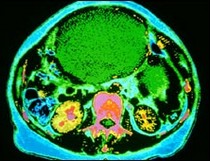
There is a common confusion among doctors and women about ovarian cancer, a charity has just announced.
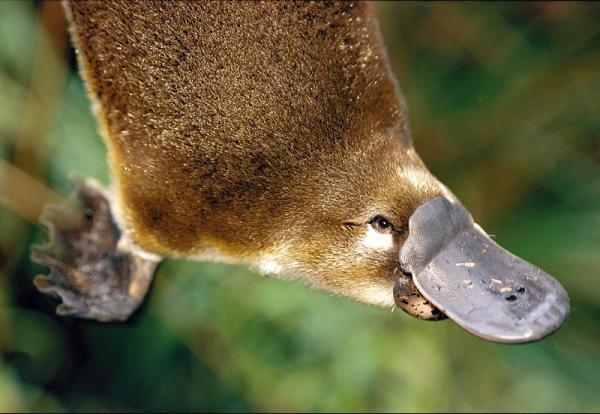
Researchers from the Royal Adelaide Hospital and University of Adelaide believe our oldest mammalian relatives can help us better understand ovarian cancer.