
Conquer Mars
Discover an oasis of more than 3.5 billion years on Mars once had life?
The surface of Mars is a huge desert, but billions of years ago, an oasis existed here, according to a new study.
Follow Mars exploration, rovers, orbiters, discoveries, mission plans and the science behind humanity's long-term goal of reaching the Red Planet.
341 published items in this category and its subcategories.
The surface of Mars is a huge desert, but billions of years ago, an oasis existed here, according to a new study.

Jim Green, NASA's chief scientific officer, said they were nearing the point of discovering life on Mars, but he feared that the world was not ready for such a 'revoluti…

Starship spacecraft system and Super Heavy boosters are expected to send humans to the moon and Mars in the near future.

It sounds terrible, but this finding has brought the intention to human settlement of Mars a big step forward.
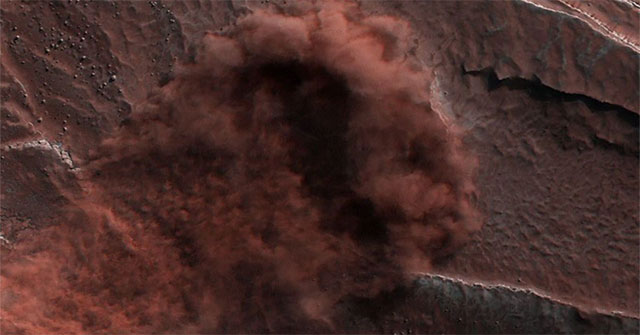
NASA's Mars reconnaissance mission recently captured an incredible picture of a giant avalanche on the red planet.
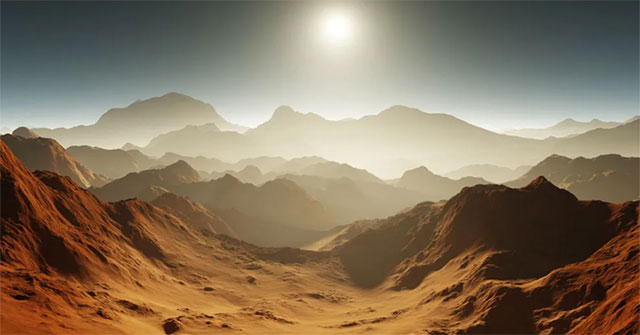
Scientists have learned a lot about Mars in recent years based on observations from data that NASA has collected from Red Planet.
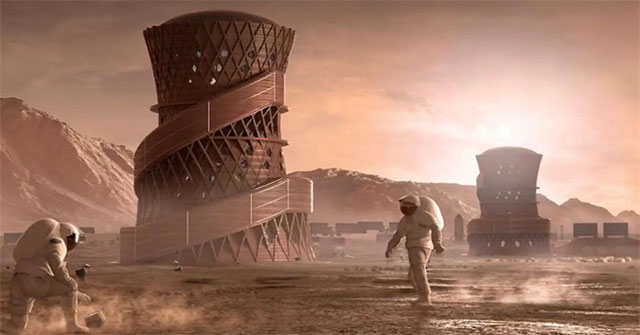
Owner SpaceX wants to use giant mirrors to reflect sunlight and 'heat up' Mars.

Musk has repeatedly put forward the idea of using thermonuclear weapons to warm Mars, turning the red planet into a place where humans can live.
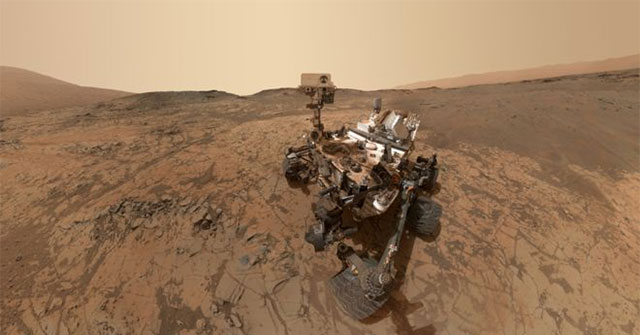
For many people, rocks are worthless, but for NASA scientists, they are extremely valuable, having opened the door to discovering unknown things about the 'brother' plan…
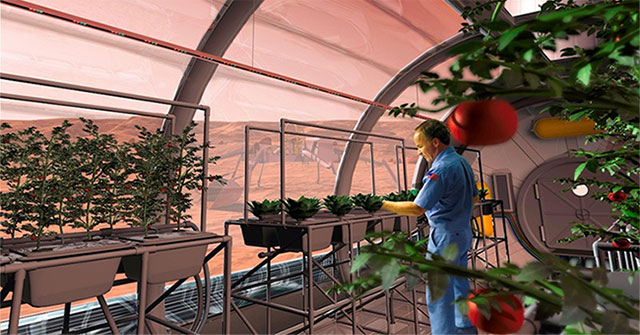
Confident scientists have solved the problem of growing food in the harsh environment on Mars, with carpet materials transforming into suitable soil for cultivation.
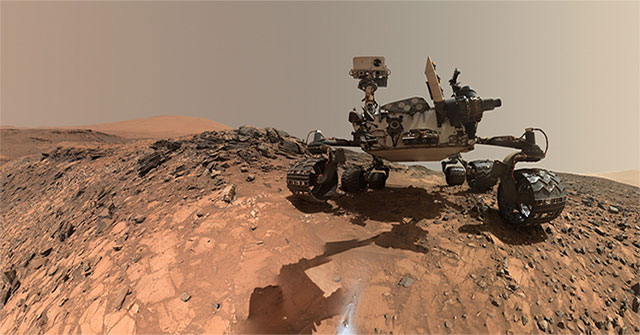
Mars is emitting a large amount of gas that could be a sign of the life of bacteria on the planet.
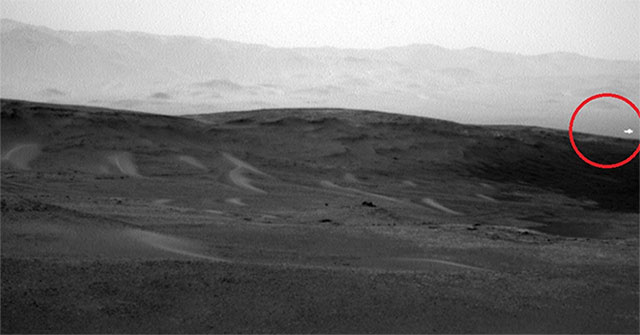
Images captured by NASA's Mars Curiosity probe show a mysterious white light trail that cannot be explained on Red Planet.
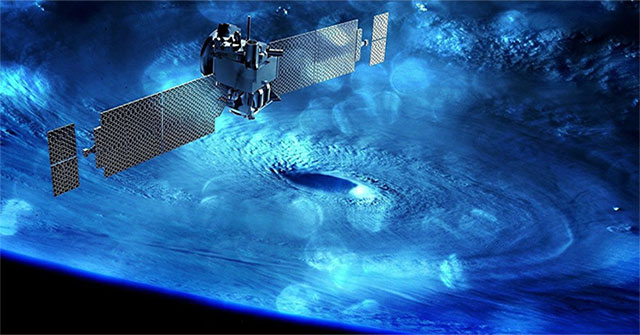
On Earth, water molecules stick to tiny sea salt particles or dust blowing into the air to form white clouds.
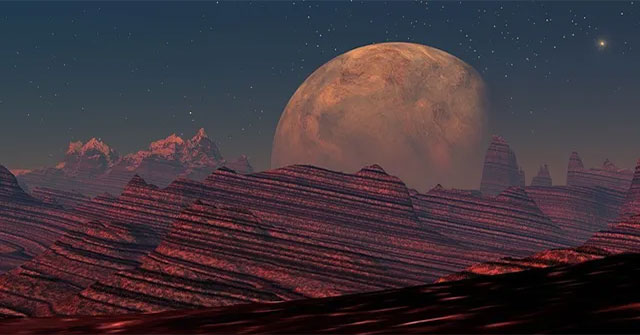
Physicist Brian Cox said, Mars now looks like a rock desert, which may have been a real paradise with waterfalls and rivers.
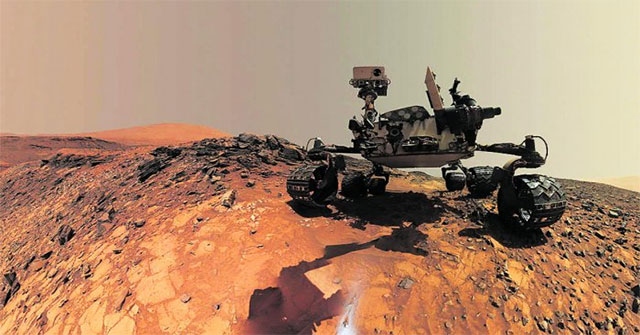
Robot discovered Curiosity of the US Aerospace Agency (NASA) recently discovered the largest amount of clay minerals since the robot was put on Mars in August 2012.