Biology
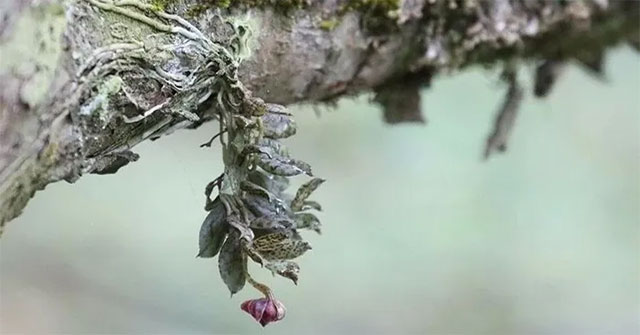
China discovers new orchid species in giant panda habitat
Recently, Chinese researchers discovered a new species of orchid growing in the habitat of giant pandas in Sichuan province, southwest of the country.
Discover surprising science, unexplained phenomena, materials, history, nature and fascinating facts that reveal how the world works.
40,619 published items in this category and its subcategories.
Recently, Chinese researchers discovered a new species of orchid growing in the habitat of giant pandas in Sichuan province, southwest of the country.
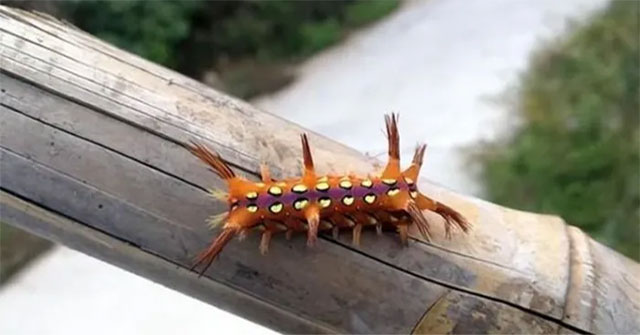
This species is often harmful to some crops and is an enemy hated by many Vietnamese farmers.

Just take a walk through a forest in America and you will easily come across mushrooms of all shapes, sizes and strange colors.

Researchers found that trees are struggling to absorb CO2, leading to soaring emissions.

In the shared image, it can be seen that when it was still hanging on the tree, this fruit looked like a mango, but had a purple skin. When cut open with a knife, the in…

A new study has overturned the traditional notion that only female mosquitoes suck blood and transmit diseases.
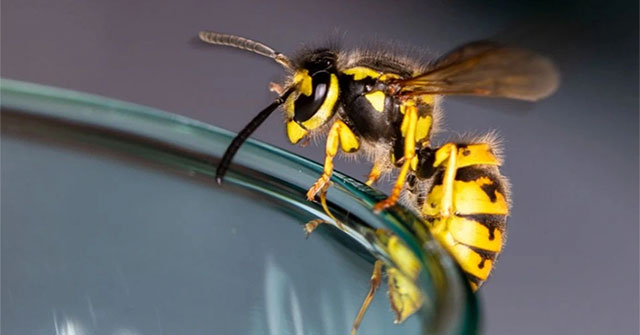
New research shows that oriental hornets have a tolerance for very high concentrations of alcohol, even greater than any other animal.

Chile recently launched the world's first sterilization vaccine for dogs. Notably, this vaccine is effective in sterilizing dogs in just 1 year.

A giant fish species thought to be extinct has just been discovered in the Mekong River, through Cambodia.

The 1.7 meter tall, 1.5 ton heavy buffalo worth over 69 billion VND has received attention not only because of its high price but also because of its impressive lineage.

The dog barking atop the pyramid in Giza, Egypt is named Apollo, part of a litter of eight dogs that currently live atop the Khafre pyramid.
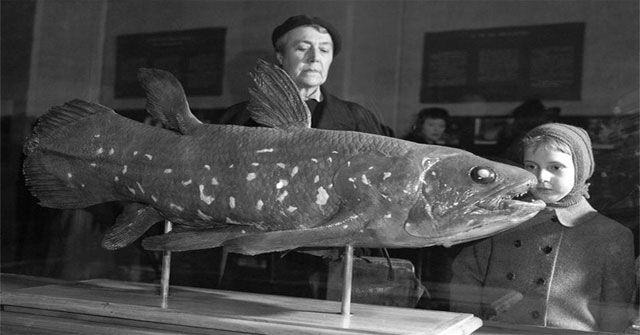
Ancient 'slow-living' fish Coelacanth with lifespan of up to a century and gestation period of five years, new study finds.
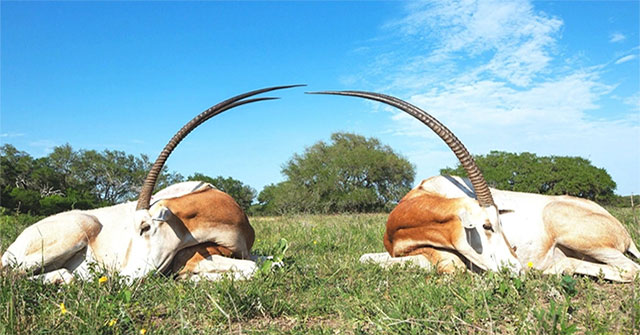
Once declared extinct in the wild, this species has now revived and is now only on the endangered species list.
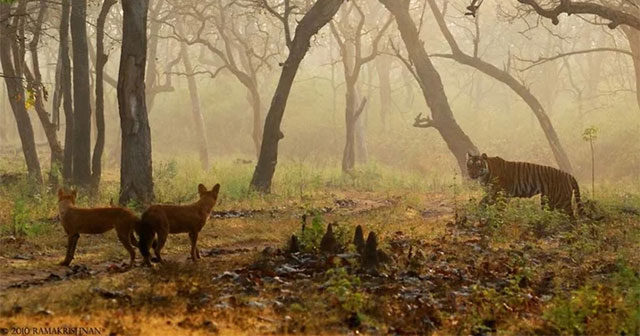
This wild dog is called the dhole, an unknown predator in the wilds of India.
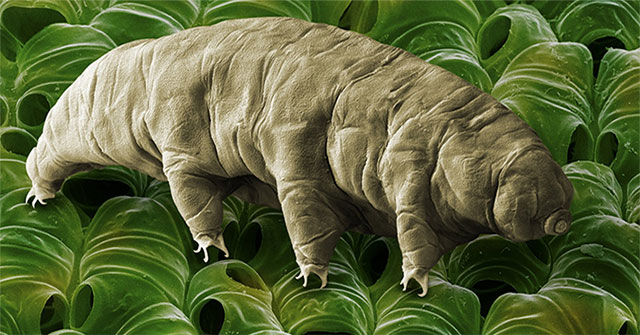
Understanding the genes that make these tiny creatures resistant to radiation could open up a range of applications, from cancer treatment to space exploration.