Biology
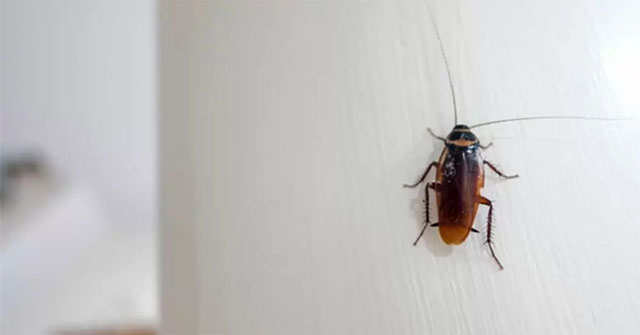
Climate change helps the 'empire' of cockroaches grow and evolve more and more terrifying
Climate change is a threat to many living things, from humans to animals, plants and insects, but cockroaches are an exception.
Discover surprising science, unexplained phenomena, materials, history, nature and fascinating facts that reveal how the world works.
40,619 published items in this category and its subcategories.
Climate change is a threat to many living things, from humans to animals, plants and insects, but cockroaches are an exception.

Scientists have discovered a new species of burrowing frog with a very impressive appearance in the wet peatlands of the Amazon rainforest.

You may have heard of chimpanzees and crows using assistive devices, but what about alligators?

Chinchilla cats are native to Great Britain, their ancestors are Angora cats and Persian cats
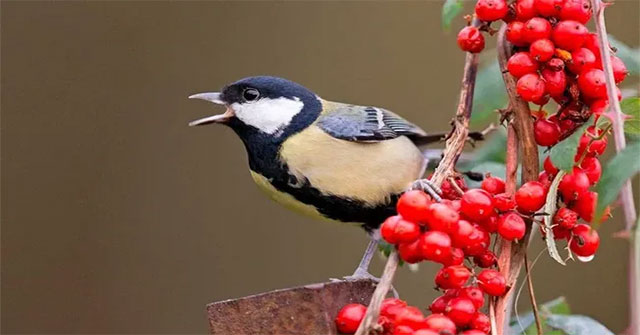
In the chirping, echoing sounds of birdsong, scientists have found some similarities with human language.
Recently, on social networks spread a video of a creature covered with a layer of moss green 'fur' swimming gracefully in the water.

Scientists have created the 'world's largest family tree' linking some 27 million people around the world, including the living and the dead.

SWIFT stands for Society for Worldwide Interbank Financial Telecommunication.

Nuclear bombs are not only destructive on the ground, but also blow deadly radioactive dust tens of kilometers into the atmosphere.
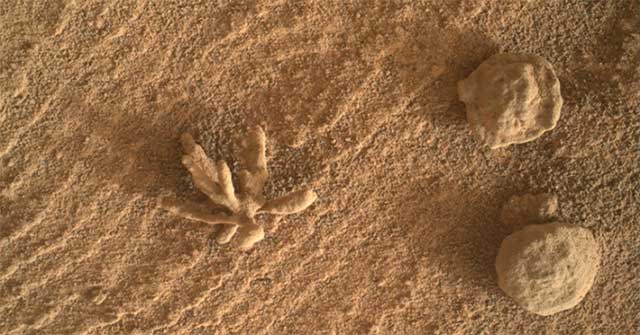
The Curiosity Robot (NASA) takes close-up photos of minerals with unique shapes on Mars, including ones that look like flowers.
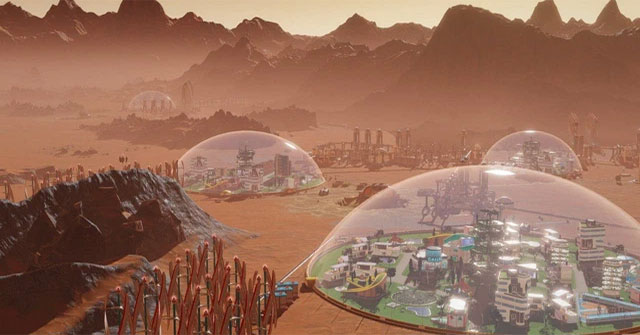
Future people living on Mars will have to eat a vegan diet due to very limited food sources.
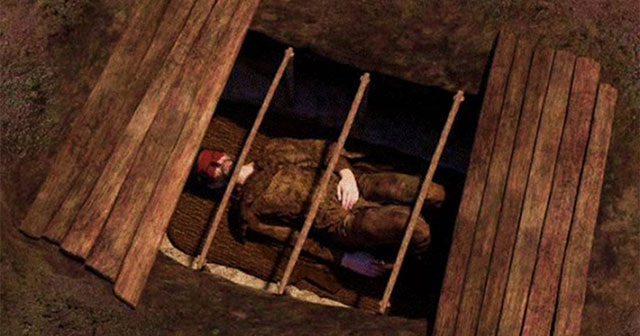
In addition to being covered in ocher, the remains in two large graves in Serbia are unusually tall, suggesting they had migrated from elsewhere.
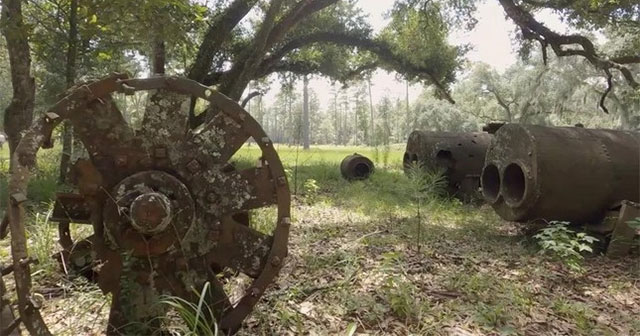
Archaeologists and historians uncover new insights into underground railroads and people who risked their lives to escape slavery in 19th-century America.
Through careful observation, experts determined that the 70-meter-wide asteroid 2022 AE1 will pass 10 million km from Earth next year.
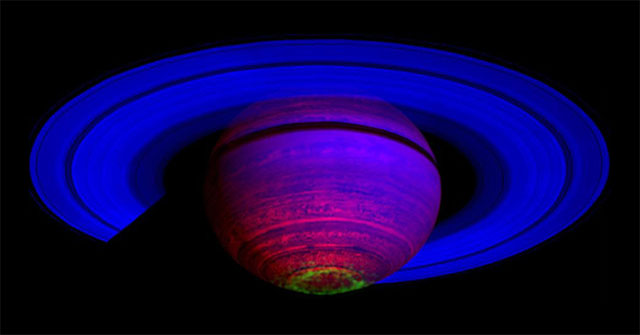
Astronomers have observed for the first time that auroras are driven by winds swirling across Saturn's atmosphere.