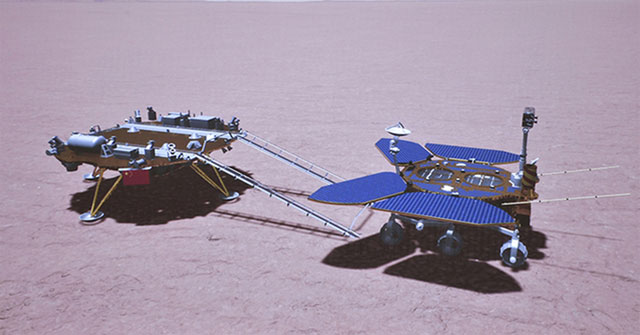
Conquer Mars
90 days on Mars by Chinese probe
China's Zhurong probe has spent three months on Mars, completing exploration and discovery missions as planned.
Discover surprising science, unexplained phenomena, materials, history, nature and fascinating facts that reveal how the world works.
40,619 published items in this category and its subcategories.
China's Zhurong probe has spent three months on Mars, completing exploration and discovery missions as planned.
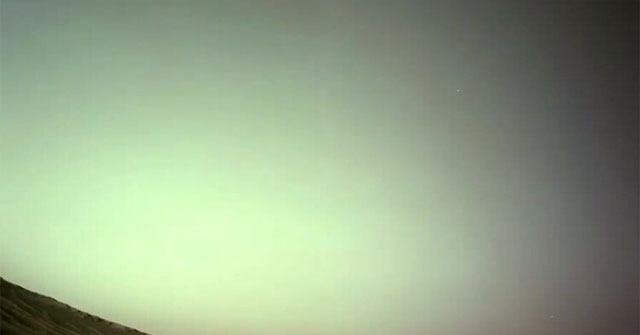
The Perseverance robot observed Deimos, Mars' 12.4-kilometer-wide moon, on the rare occasion of pointing the camera up at the sky.
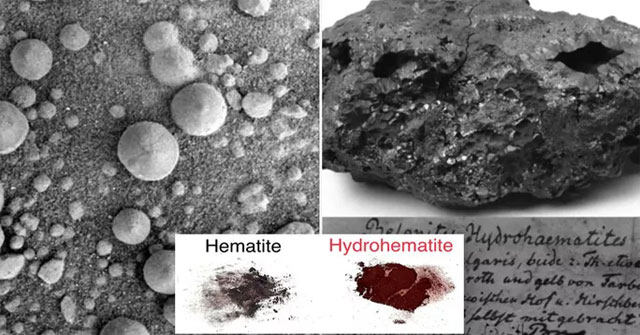
Objects in NASA's early images of the surface of Mars - round structures thought to be lower organisms, others to be rocks - may be hydrohematite.
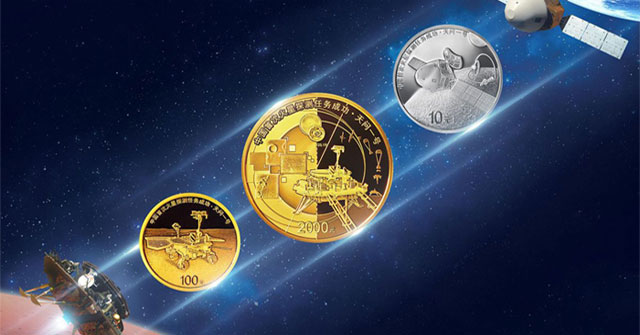
To celebrate the success of its first mission to orbit and land on Mars, China has released a new set of gold and silver coins.
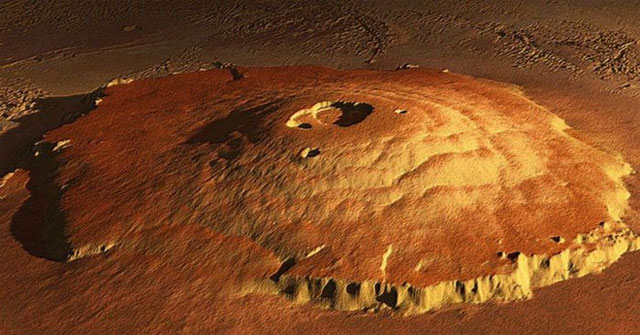
While NASA scientists need up to 40 minutes, artificial intelligence can analyze a picture of the Martian surface in just 5 seconds.
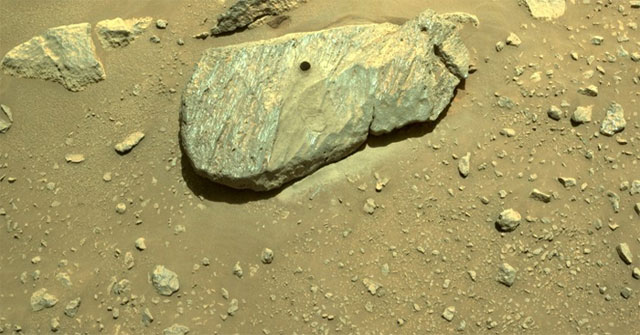
NASA's Perseverance rover has collected soil and rock samples on Mars to bring back to Earth for research.
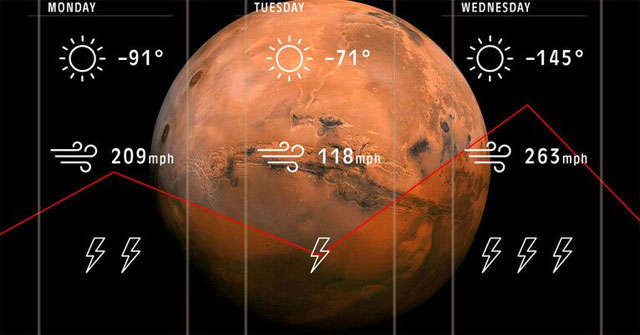
When scientists study missions to nearby planets, they need accurate weather forecasts. Otherwise, the trips could turn out to be 'disastrous'.
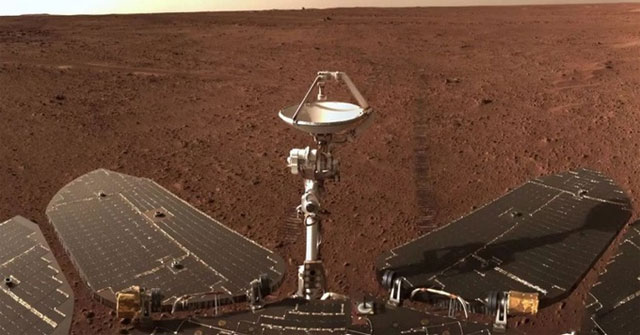
The autonomous robot Chuc Dung sent back a panoramic photo of the surrounding area in the Utopia Planitia plain on Mars.
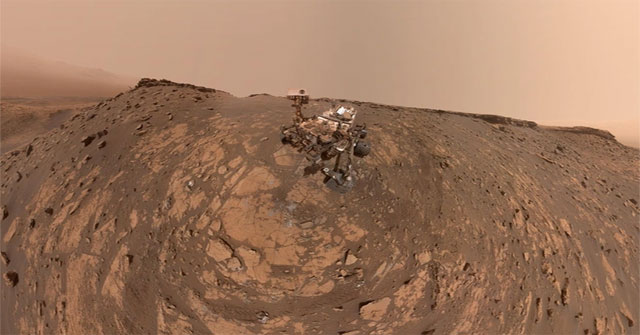
Mars doesn't have a magnetic shield and a thick atmosphere like Earth's, so radiation can hit the surface. However, recently scientists have found some places on Mars th…
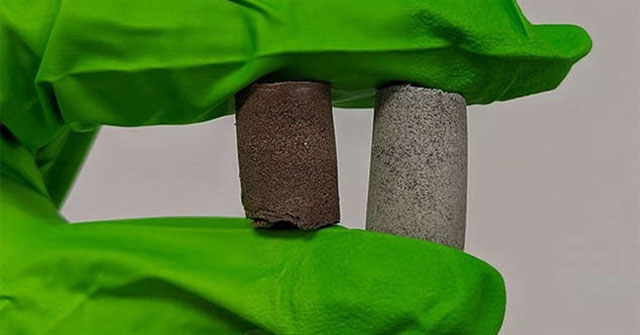
Proteins from astronaut blood can combine with urine, sweat and tears to form a glue-like binder to make AstroCrete concrete on the Moon and Mars.
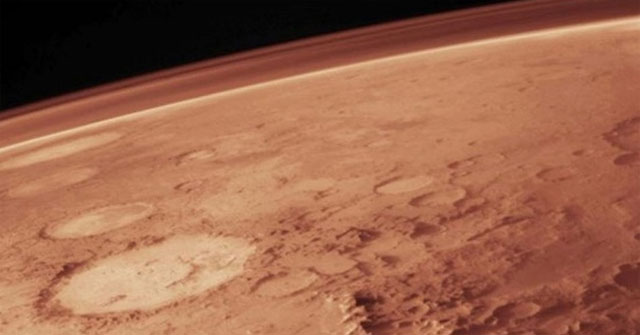
Supersonic drone with a speed of nearly 6,200 km / h, using magnesium fuel to burn carbon dioxide available in the red planet's atmosphere.
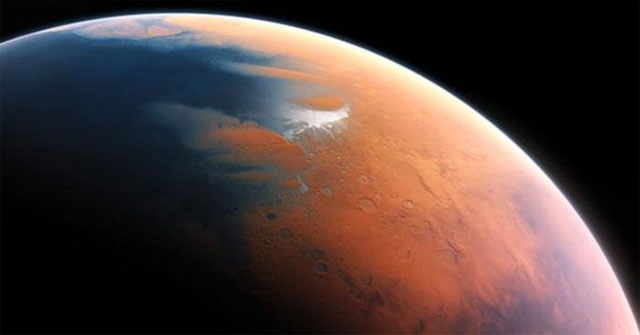
A planet that had a wetter start than Earth - a good sign because water is what sustains life - but isn't viable just because... it's a bit small.
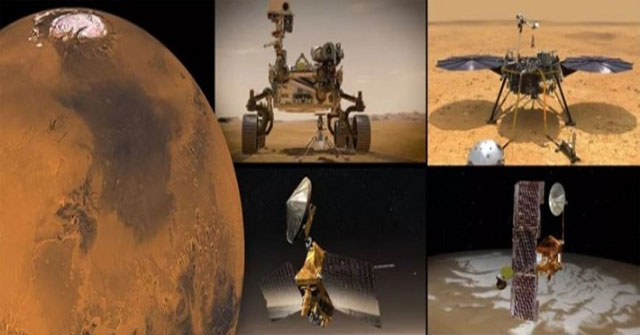
NASA will shut down most Mars rovers from October 2 to October 16 for safety reasons related to the red planet's position in space.
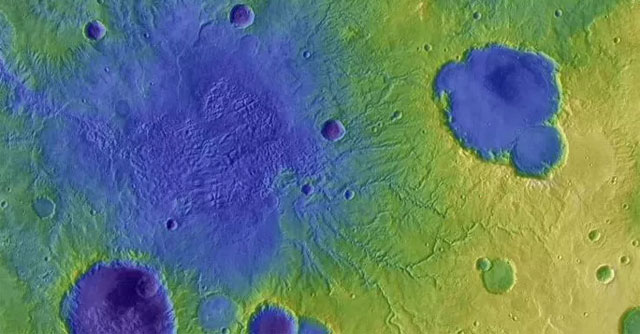
New research from the US shows that ancient Mars - the world thought to have been wetter than Earth - quickly and spectacularly possessed river valleys similar to ours.