Discover science
Why are parasitic birds stronger than the host's offspring?
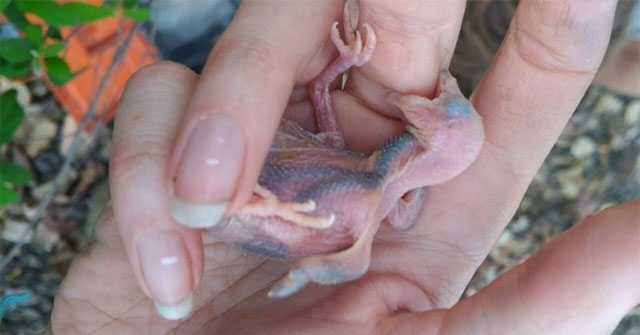
These particular birds belong to a group of parasitic (also known as egg-laying) species.
Discover surprising science, unexplained phenomena, materials, history, nature and fascinating facts that reveal how the world works.
40,619 published items in this category and its subcategories.
These particular birds belong to a group of parasitic (also known as egg-laying) species.
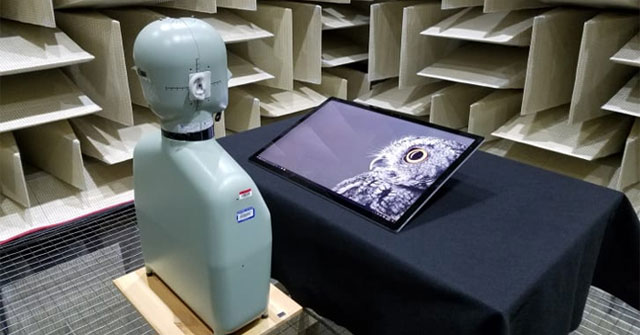
As you move through the room, you will hear the horrible grinding of bones. Eventually, you'll lose your balance by its eerie silence.
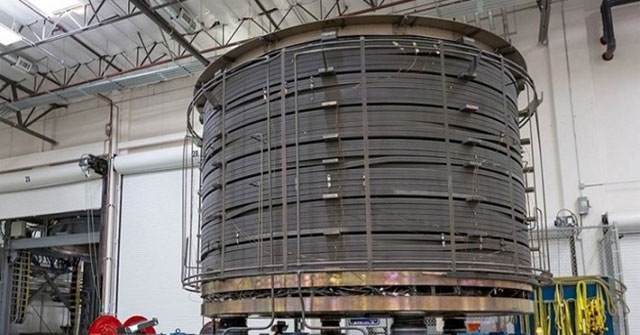
The magnet of the world's strongest fusion reactor can lift a 102 million kg aircraft carrier to nearly two meters high.
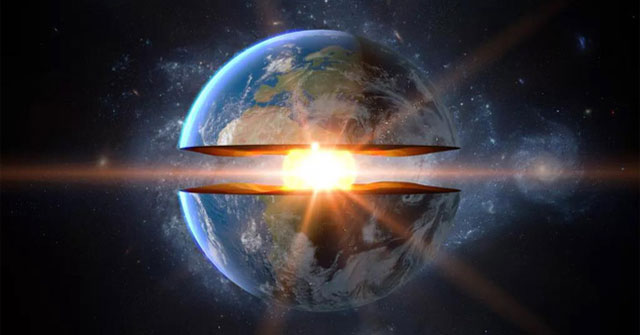
The place long thought to be a boring iron block deep inside the Earth could be a very complex world, research from the University of Hawaii (USA) asserts.

The mysterious events surrounding the haunted house in the town of Harrisville have shocked the American media for a long time, and so far have not found an answer.
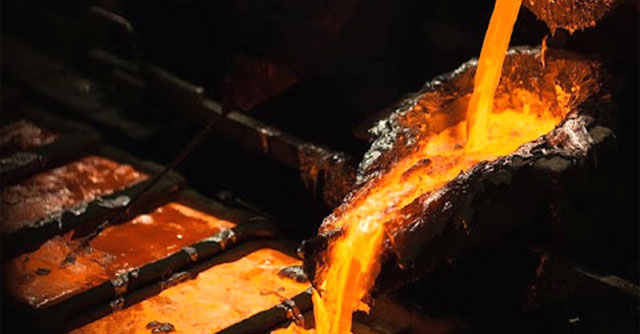
Russian scientists have developed a new low-cost aluminum alloy with advantages such as good electrical conductivity, durability and heat resistance.

A person can claim that they hear the voice of the dead. What is the cause of this phenomenon?
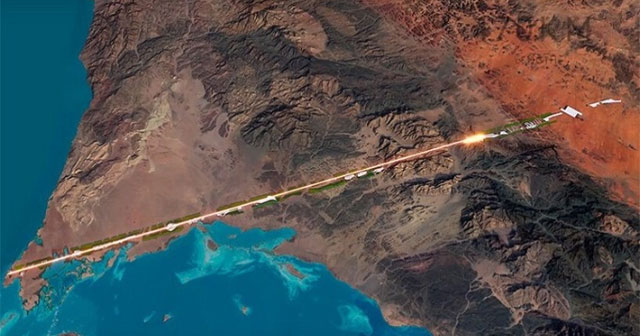
The future city in the desert costs $100 billion to build, doesn't use cars, and runs 100% on clean energy.
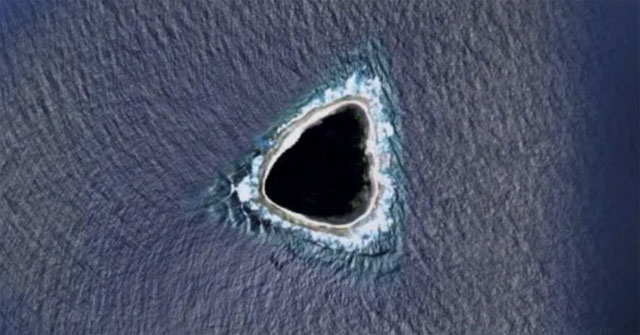
A Reddit user discovered an unusual 'black hole' on Google Maps located in the northeast of New Zealand, in the Republic of Kiribati.
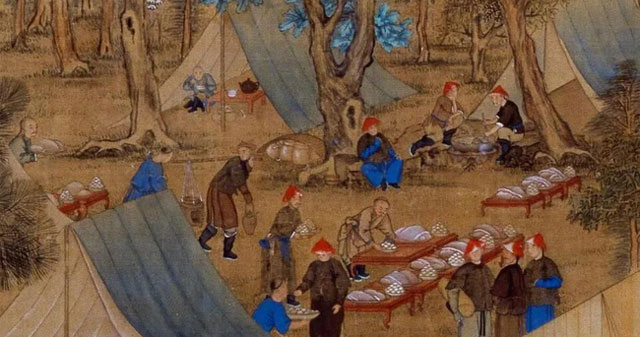
A party that was going on happily suddenly turned into a crime scene where diners died from poisoning for unknown reasons.

Modern science is recognizing that the speed of light traveling in a vacuum is constant and equal in all directions, based on observations and experiments.
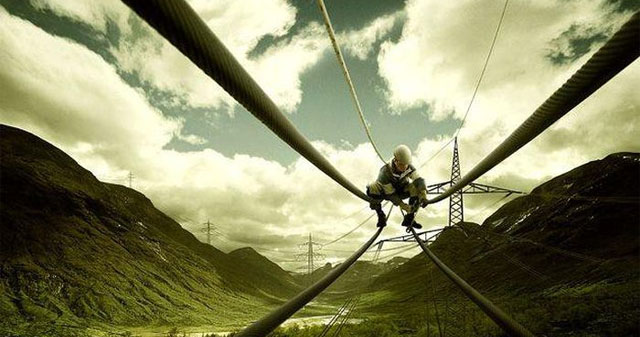
The video below captures a man sitting on the legs of a flying helicopter, he is taken to a high voltage power line.
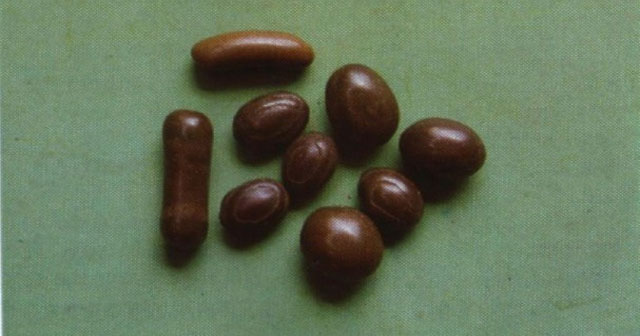

Not only is the country famous for its prosperity, there are many interesting things about Kuwait that will surprise you.
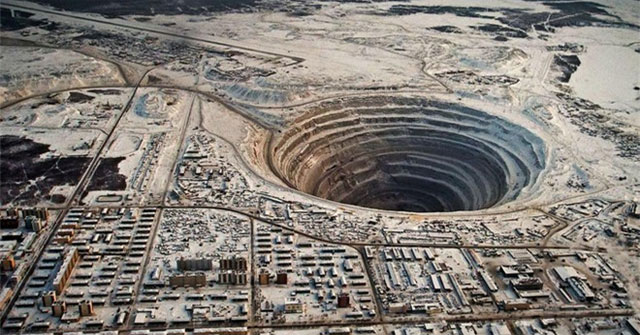
Diamond mine with huge reserves in Siberia, enough to supply humanity for another 3,000 years.