Environment
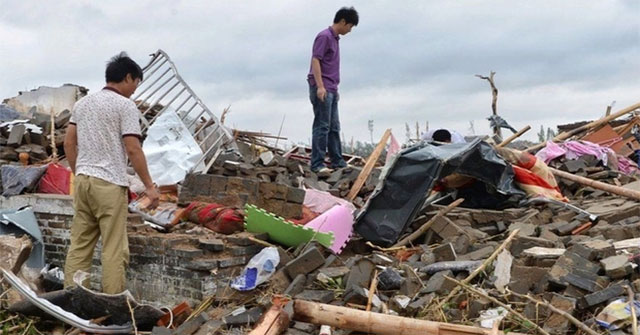
By 2030, there may be 1.5 natural disasters every day
The world will face 1.5 disasters per day, or 560 disasters per year, by 2030 if humanity continues to increase the earth's temperature and ignore the risks of climate c…
Explore climate, weather, energy, ecosystems, pollution, natural resources and environmental changes affecting regions around the world.
7,336 published items in this category and its subcategories.
The world will face 1.5 disasters per day, or 560 disasters per year, by 2030 if humanity continues to increase the earth's temperature and ignore the risks of climate c…

La Nina is forecasted to remain until early summer, this year's hot weather will appear late and the hot season will not be as intense as in previous years.

Climate change is an inevitable fact in the history of the formation and development of the Earth, whereby species that want to survive must change to adapt to this chan…

Summer is a time when everyone is on the go, but hot weather might not be good news if you're planning to fly.

The detector system in a tunnel under Tokyo Bay can detect fluctuations of muons in the sea, helping to identify tsunamis.
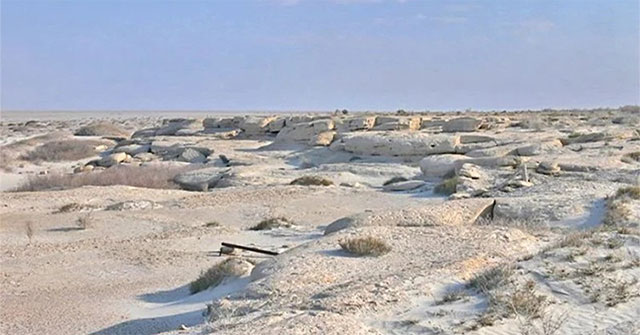
Vozrozhdeniya became the deadliest island on Earth after the appearance of tons of deadly diseases like anthrax, as well as other strange diseases.
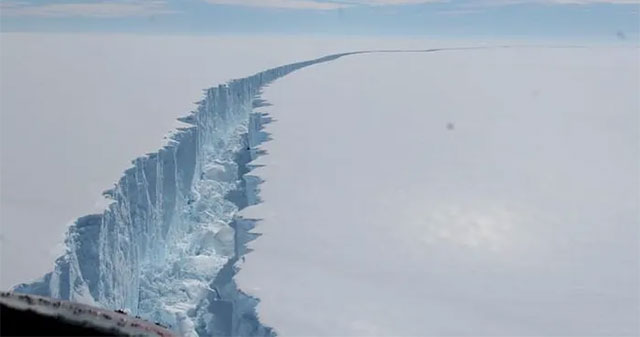
The atmospheric river, also known by scientists as the heavenly river, is actually a terrifying phenomenon that threatens to collapse the largest ice shelf on the Antarc…
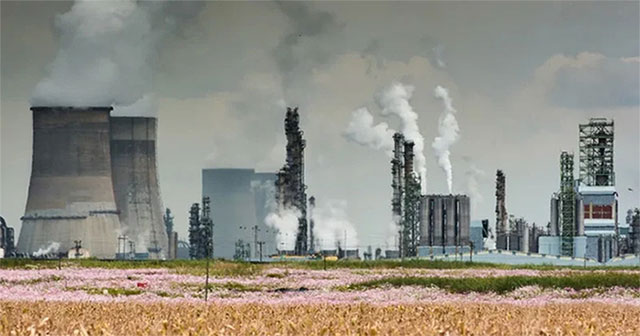
The fight to keep the global temperature rise below 1.5 degrees Celsius has reached its final limits, according to a new report published by the world's top scientists o…
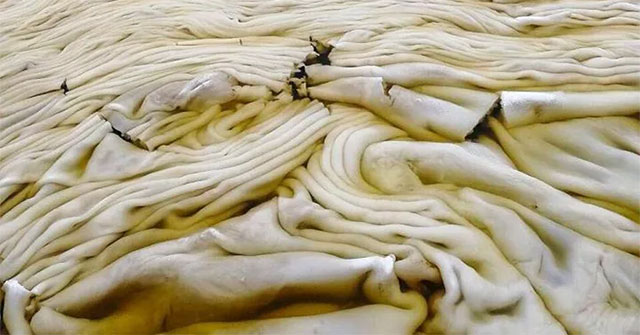
Snow and ice are not uncommon in Russia, but sometimes this natural phenomenon creates unexpected scenes.
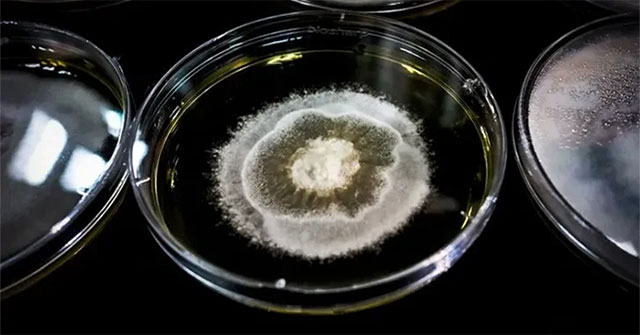
The new fungus discovered in southwestern China is a very
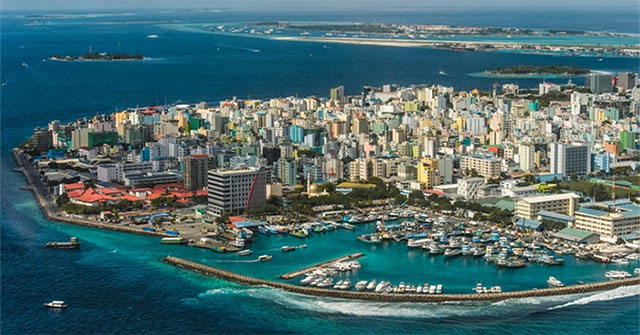
In the face of the effects of global warming, sea levels are rising rapidly, creating a global threat.
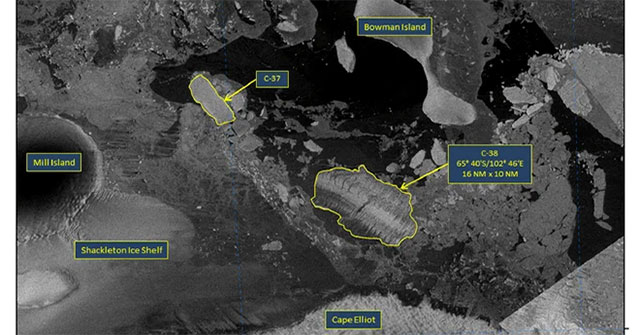
The NASA scientist said the complete collapse of the Conger ice shelf during a time of unusually high temperatures was 'a sign of what might be to come'.
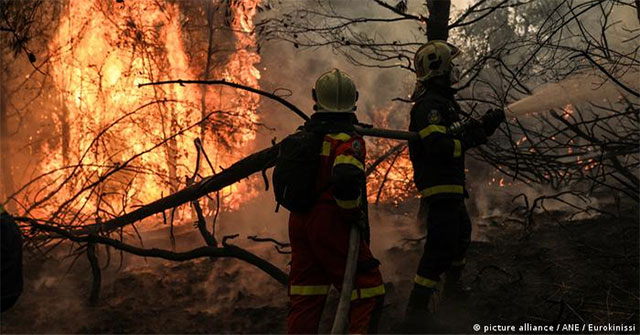
Chinese scientists recently discovered that brown carbon released from forest fires actually contributes more to global warming.
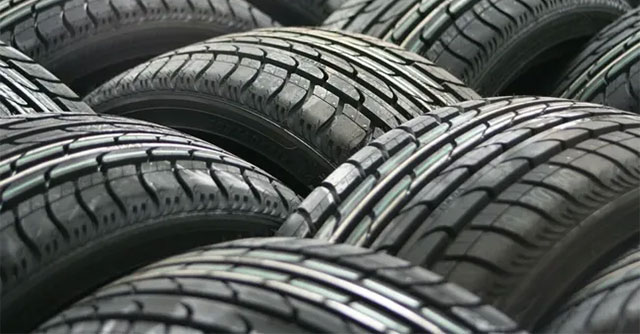
Yet another dangerous effect of plastic pollution on ecosystems and the health of many living species.
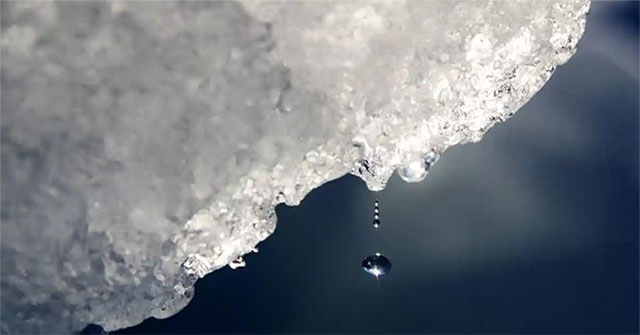
Parts of Antarctica have risen by 40 degrees Celsius above normal, and at the same time, the Arctic has risen by more than 30 degrees Celsius.