
Environment
Devastating scenes in Spain after massive flash floods, government declares 3 days of national mourning
Spain has suffered heavy losses after the worst flash floods in its history.
Explore climate, weather, energy, ecosystems, pollution, natural resources and environmental changes affecting regions around the world.
7,336 published items in this category and its subcategories.
Spain has suffered heavy losses after the worst flash floods in its history.
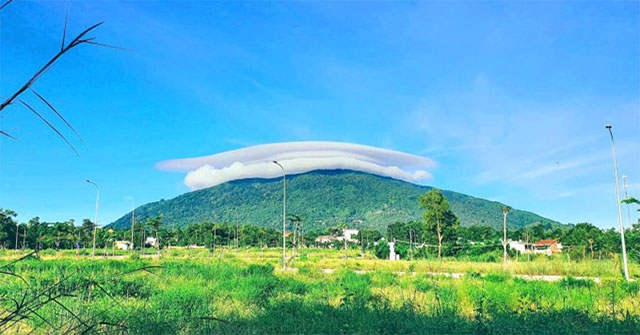
The clouds covering the top of Chua Chan mountain look like flying saucers, making many people excited.

The flash floods that killed at least 95 people in the Valencia region in 1996 were the result of climate change, post-summer dry soil and cold drops.

Among the alternatives to petrochemical plastics, bio-based plastics are gaining popularity.

El Nino, La Nina and ENSO are all dangerous extreme weather phenomena.
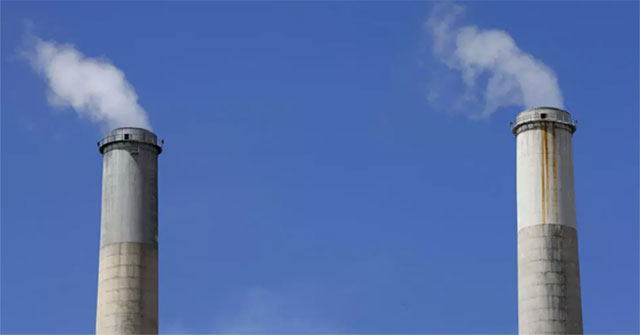
In 2023, average CO2 concentrations will be 420 parts per million (ppm), a 151% increase over pre-industrial levels.
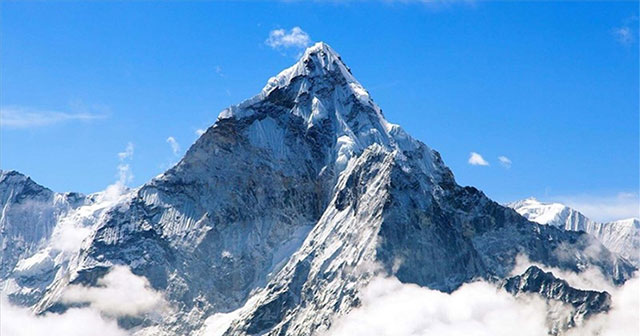
Researchers believe that a combination of geological factors and the effects of erosion could cause a mountain higher than Everest to appear in the future.
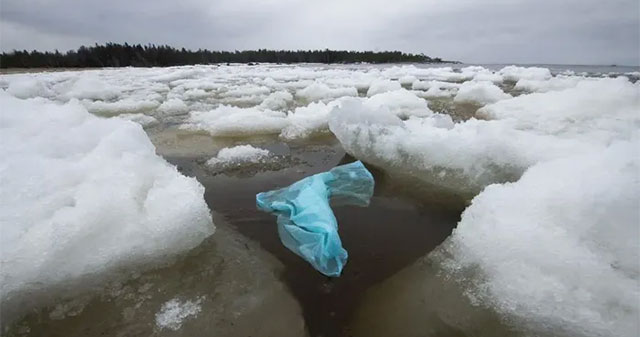
The volume of plastic waste globally has doubled in 20 years, from 156 million tons in 2000 to 353 million tons in 2019 and is expected to nearly triple to more than 1 b…

Every year, Americans buy tens of millions of Halloween pumpkins. If they are thrown away, they release a huge amount of methane gas. So what should we do?
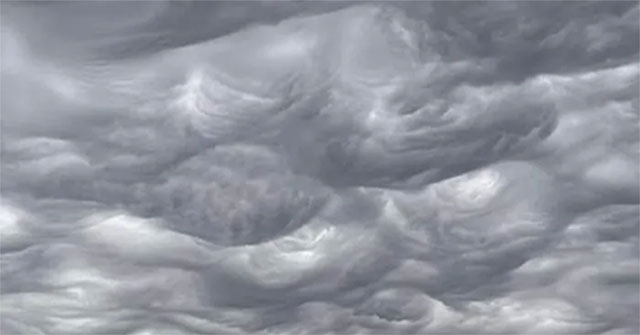
There were some very strange clouds recently seen in the sky over Canada, which looked exactly like a famous painting by Van Gogh.
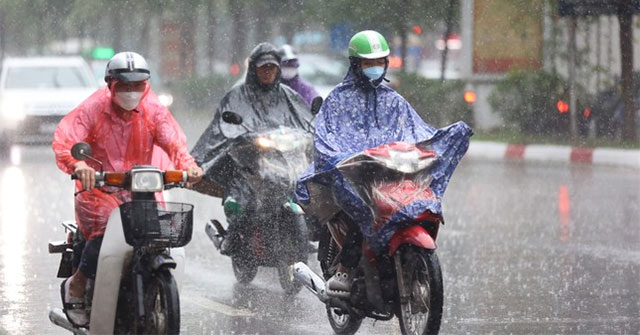
This evening and tonight (October 18), the Northeastern region including the capital Hanoi may experience scattered showers and thunderstorms.

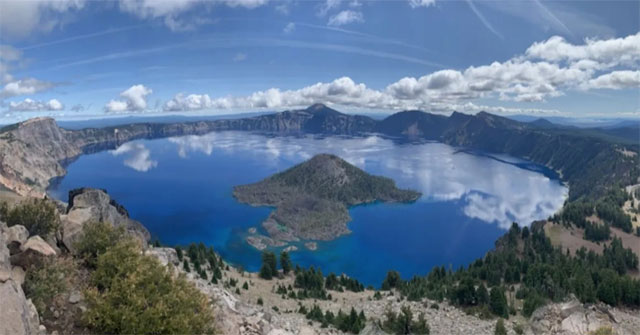
Crater Lake in Oregon, formed from a volcanic crater, is 592 m deep and contains crystal clear water, making it one of the 10 most impressive lakes on Earth.

Last night, a tropical depression in the eastern Philippines intensified into Typhoon Trami. The storm is forecast to move into the East Sea.
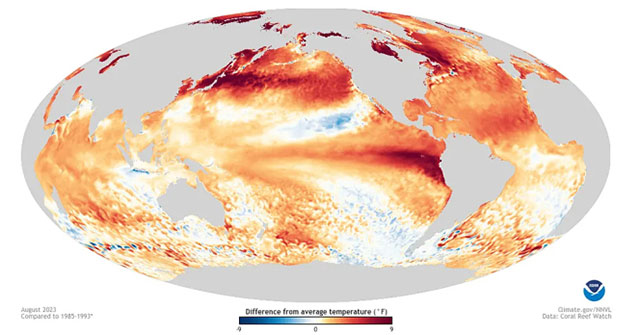
New modeling research shows that El Niño and La Niña that have existed for the past 250 million years have influenced Earth's climate.